












Comprehensive Summarization:
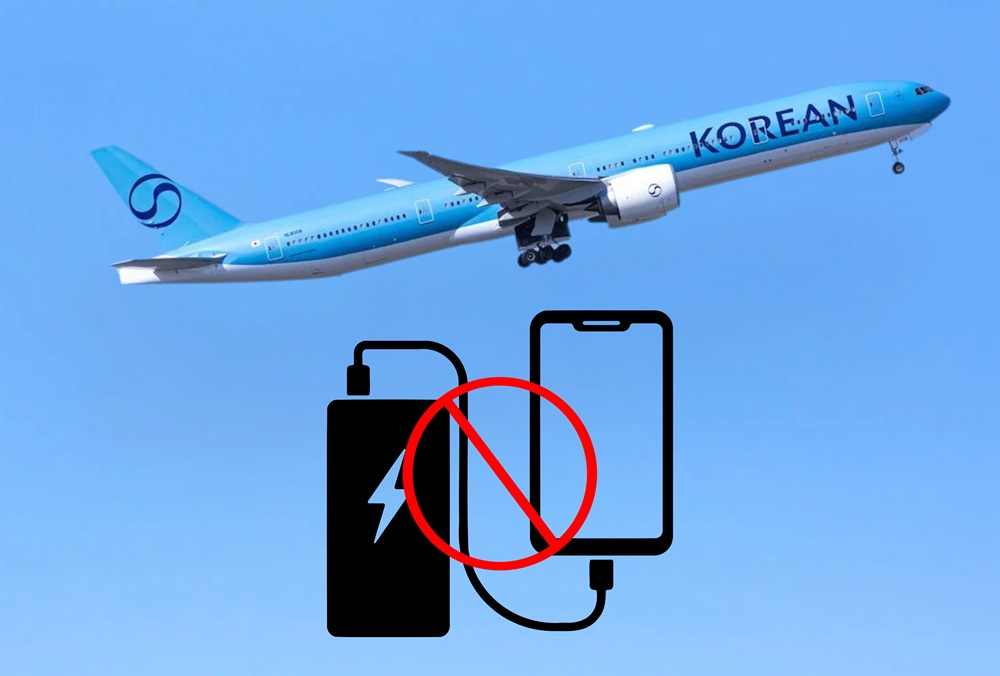
Korean Air, along with four other airlines under the Hanjin Group—Asiana Airlines, Jin Air, Air Busan, and Air Seoul—have announced a ban on the use of power banks during flights starting January 26, 2026. This decision is part of their enhanced safety measures, prohibiting passengers from using power banks to charge devices such as mobile phones, tablets, laptops, or cameras onboard. Despite the ban, passengers are allowed to carry power banks in their cabin baggage, subject to specific regulations. This move reflects a broader trend in the travel industry towards prioritizing safety and regulatory compliance, particularly in the wake of incidents related to lithium-ion battery fires on aircraft.
Key Points:
- Korean Air and four Hanjin Group airlines will ban the use of power banks on flights starting January 26, 2026.
- The ban is part of enhanced safety measures aimed at preventing potential battery-related incidents.
- Passengers can still carry power banks in their cabin baggage, adhering to airline regulations.
- This policy change highlights the travel industry’s focus on safety and regulatory compliance.
Actionable Takeaways:
-
Enhanced Safety Protocols: Airlines are increasingly adopting stringent safety measures, such as banning power banks, to mitigate risks associated with lithium-ion battery fires. This reflects a proactive approach to passenger safety and regulatory compliance, which is crucial for maintaining trust and safety in the travel industry.
-
Adaptation of Cabin Baggage Policies: The allowance of power banks in cabin baggage underscores the need for airlines to update their policies and educate passengers on baggage regulations. This ensures compliance and minimizes the risk of incidents during flights, demonstrating the importance of clear communication and policy adaptation in response to safety concerns.
-
Focus on Battery Safety: The ban on power banks aligns with broader industry trends towards prioritizing battery safety. Airlines and regulatory bodies are likely to continue implementing stricter regulations around electronic devices, which may drive innovation in battery technology and safety features for portable electronics.
Contextual Understanding:
The ban on power banks by Korean Air and the Hanjin Group airlines is a response to heightened safety concerns in the aviation industry. Recent incidents involving lithium-ion battery fires on aircraft have underscored the need for stringent safety measures. This decision is part of a larger industry trend where airlines are adopting more rigorous policies to ensure passenger safety. The move also reflects the growing importance of regulatory compliance in the travel sector, as airlines strive to meet international safety standards. Furthermore, this policy change may prompt other airlines to reassess their own safety protocols, potentially leading to a more standardized approach to electronic device usage on flights globally.
Handling Different Article Types:
The article in question is a news blurb, providing factual information about a recent policy change by Korean Air and the Hanjin Group airlines. News blurbs typically offer concise, factual summaries of current events, making them ideal for quick updates and professional audiences seeking timely information. In handling such articles, it is essential to focus on the core facts, key developments, and any actionable insights that can inform industry practices or strategic decisions. The structured output format ensures that the information is presented clearly and professionally, facilitating easy integration into reports or presentations for a professional audience.
Read the Complete Article.


