












Comprehensive Summarization:
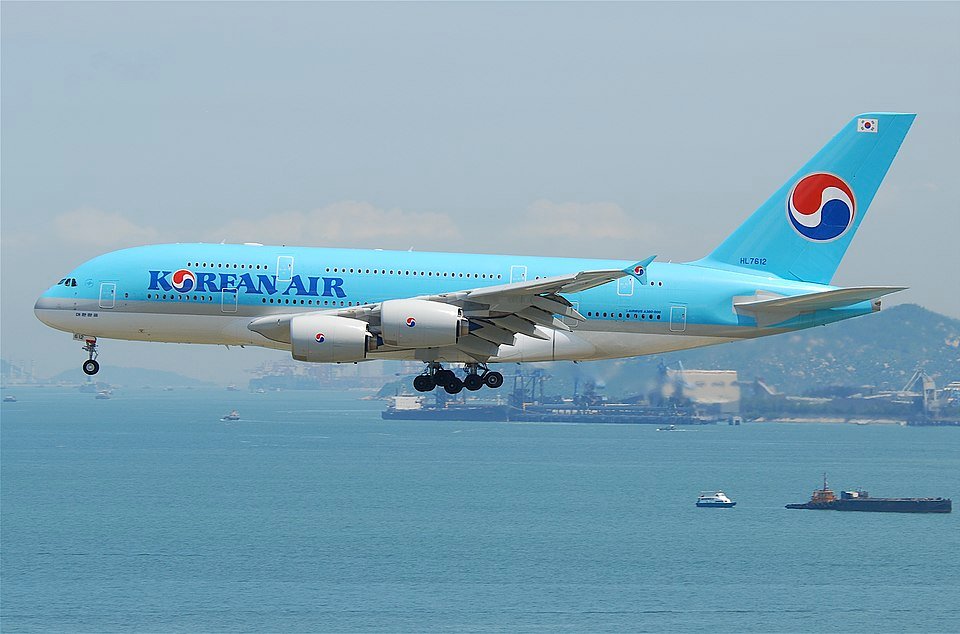
The article reports on a precautionary emergency landing of a Korean Air Airbus A380-800, flight KE81, from Seoul Incheon International Airport (ICN) to New York’s John F. Kennedy International Airport (JFK). The incident occurred due to a hydraulic system irregularity reported by the pilots during the aircraft’s final approach. The crew declared a PAN‑PAN, signaling an urgent but non-life-threatening situation. Air Traffic Control granted the aircraft priority clearance for landing, and the crew executed a controlled descent and landing without incident. The aircraft, registered HL7627, experienced limitations in certain automated flight systems due to the hydraulic anomaly. After touchdown, the plane was towed to the gate as a precautionary measure. All passengers and crew disembarked safely, though their onward travel was delayed as Korean Air conducted standard post-landing maintenance checks to ensure the aircraft’s operational integrity. Korean Air spokesperson confirmed that passenger safety was the highest priority, and no injuries were reported. The Airbus A380, though no longer in production, remains critical for high-capacity, long-haul international routes. Aviation analysts noted the significance of the precautionary landing, emphasizing adherence to established safety protocols.
Key Points:
- A Korean Air Airbus A380-800 made a precautionary emergency landing at JFK due to a hydraulic system irregularity during final approach.
- The crew declared a PAN‑PAN, indicating an urgent but non-life-threatening situation.
- Air Traffic Control granted priority clearance for landing, and the aircraft landed safely without incident.
- All passengers and crew disembarked safely, with onward travel delayed for standard post-landing maintenance checks.
- The Airbus A380, though no longer in production, remains crucial for high-capacity, long-haul international travel.
Actionable Takeaways:
-
Enhanced Safety Protocols: The incident underscores the importance of robust emergency procedures and the effectiveness of PAN‑PAN declarations in aviation. Airlines should continuously review and update their emergency response protocols to ensure passenger safety and operational efficiency.
-
Impact on High-Capacity Aircraft: The Airbus A380’s role in high-capacity, long-haul travel highlights the balance between passenger capacity and operational safety. As the aircraft is no longer in production, airlines may need to reassess fleet strategies to maintain competitiveness in the market.
-
Post-Landing Maintenance Importance: The precautionary landing led to standard post-landing maintenance checks, emphasizing the critical role of thorough inspections in ensuring aircraft operational integrity. Airlines should prioritize these checks to prevent future incidents and maintain passenger confidence.
Contextual Insights:
The precautionary landing of the Airbus A380 highlights the ongoing relevance of high-capacity aircraft in international travel, despite the aircraft’s retirement from service. This event aligns with current industry trends focusing on safety, efficiency, and passenger experience. The incident also reflects the critical role of real-time communication and decision-making in aviation safety, as demonstrated by the pilots’ prompt reporting and the crew’s adherence to established protocols. Looking forward, the travel industry may see increased emphasis on advanced safety technologies and protocols, particularly in managing hydraulic and automated systems, to mitigate risks associated with high-capacity aircraft. Additionally, the incident may prompt airlines to invest in more resilient maintenance practices and emergency response strategies, ensuring continued safety and reliability in air travel.
Read the Complete Article.


