












Comprehensive Summarization:
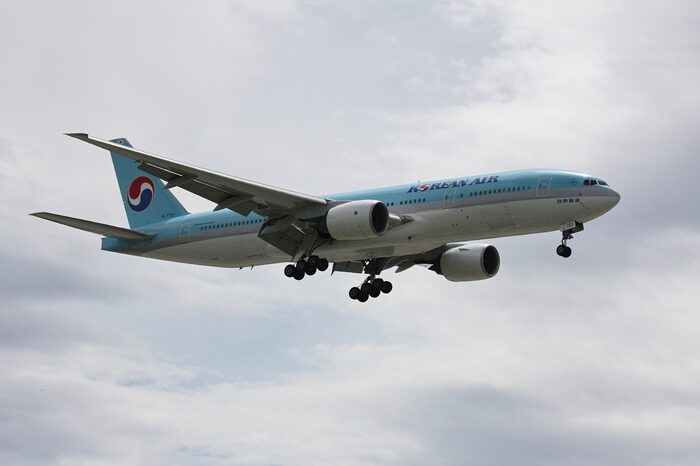
South Korean airline Korean Air has announced plans to purchase 103 new Boeing aircraft over the next decade, as disclosed in a regulatory filing on March 26, 2026. The total value of this fleet modernization strategy is estimated at approximately $36.2 billion based on 2025 list prices. This significant investment underscores Korean Air’s ambitious expansion and renewal plans, reflecting a long-term commitment to fleet modernization and growth within the aviation industry.
Key Points:
- Korean Air has formally announced plans to purchase 103 new Boeing aircraft over the next decade.
- The total value of this fleet modernization strategy is approximately $36.2 billion based on 2025 list prices.
- The investment is detailed in a regulatory disclosure to the Korean stock exchange, highlighting the airline’s ambitious expansion and renewal plans.
Actionable Takeaways:
-
Strategic Fleet Expansion: Korean Air’s plan to purchase 103 new Boeing aircraft signifies a strategic move towards fleet modernization. This investment is expected to enhance the airline’s operational efficiency, reduce fuel consumption, and improve passenger comfort, aligning with industry trends towards sustainable aviation practices.
-
Market Positioning: With a valuation of approximately $36.2 billion, this fleet expansion positions Korean Air as a major player in the global aviation market. The investment reflects confidence in the airline’s growth trajectory and its ability to compete with other major carriers in terms of fleet size and technological capabilities.
-
Alignment with Industry Trends: The focus on Boeing aircraft indicates a preference for proven, reliable technology within the aviation sector. This move is consistent with broader industry trends towards long-term aircraft investments and the gradual shift towards more fuel-efficient and environmentally friendly aircraft models.
Contextual Insights:
The announcement of Korean Air’s fleet expansion is reflective of the broader trends in the travel industry, where airlines are increasingly focusing on modernizing their fleets to meet growing passenger demands and regulatory requirements. The investment in Boeing aircraft, a well-established and trusted brand in the aviation industry, underscores Korean Air’s commitment to reliability and safety. This strategic move also aligns with the growing emphasis on sustainability within the aviation sector, as airlines seek to balance operational efficiency with environmental considerations.
In the context of travel tech and fintech, this investment could potentially lead to enhanced operational efficiencies and improved customer experiences. For instance, modernized fleets often come equipped with advanced avionics and connectivity solutions, which can be leveraged by airlines to offer seamless travel experiences, including real-time flight tracking, in-flight entertainment, and personalized services. Furthermore, the airline’s strategic expansion may stimulate growth in related sectors such as airport services, ground handling, and hospitality, creating a ripple effect of economic benefits across the travel ecosystem.
Overall, Korean Air’s ambitious fleet expansion is a testament to the airline’s forward-thinking approach and its commitment to maintaining a competitive edge in the global aviation market. This strategic move not only positions Korean Air for future growth but also sets a benchmark for other airlines in terms of fleet modernization and technological integration.
Read the Complete Article.


