












Comprehensive Summarization:
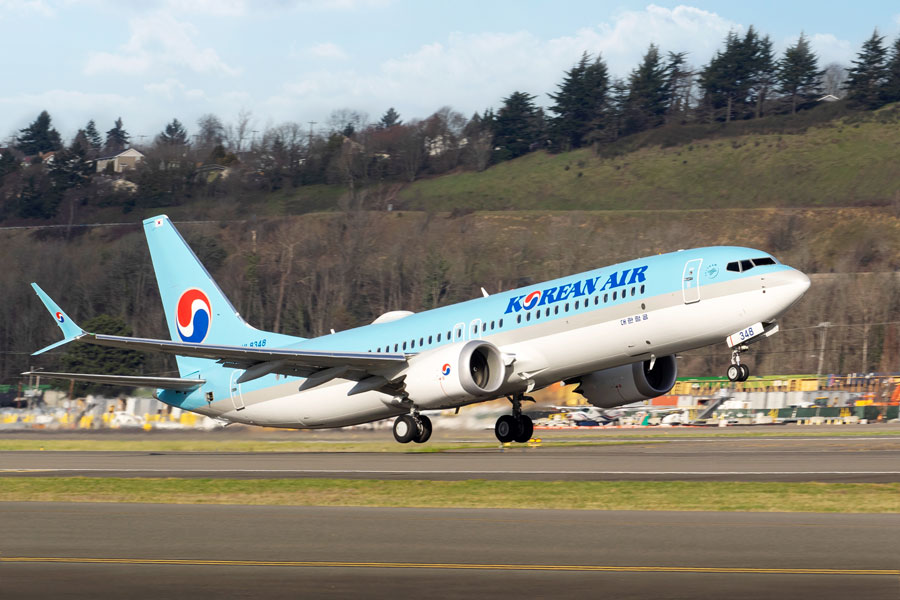
Korean Air has announced the addition of extra flights on the Tokyo (Narita) to Seoul (Incheon) route, operating one additional round-trip per day from February 1 to March 28. The new flights, KE8707 and KE8708, will be operated using Boeing 737-8 or Boeing 737-800 aircraft. This increase will raise the total number of round-trips per day on this route to five, combining both Tokyo/Haneda to Seoul/Gimpo and Tokyo/Haneda to Seoul/Incheon routes. The article highlights this development as part of the broader travel industry trends and insights, reflecting the ongoing demand for enhanced connectivity and service options in international travel.
Key Points:
- Korean Air will introduce one additional round-trip per day on the Tokyo (Narita) to Seoul (Incheon) route from February 1 to March 28.
- The new flights, KE8707 and KE8708, will be operated using Boeing 737-8 or Boeing 737-800 aircraft.
- This addition will increase the total number of round-trips per day on this route to five, combining both Tokyo/Haneda to Seoul/Gimpo and Tokyo/Haneda to Seoul/Incheon routes.
Actionable Takeaways:
-
Enhanced Connectivity: The addition of extra flights on the Tokyo (Narita) to Seoul (Incheon) route provides travelers with more travel options, potentially increasing accessibility and convenience for passengers in this key market. This move aligns with the industry trend of expanding flight frequencies to meet growing demand and improve service quality.
-
Utilization of Modern Aircraft: The use of Boeing 737-8 and Boeing 737-800 aircraft for these additional flights indicates Korean Air’s commitment to leveraging modern, fuel-efficient aircraft. This reflects broader industry trends towards adopting newer aircraft models that offer improved efficiency, passenger comfort, and reduced environmental impact, which is crucial for sustainable growth in the travel sector.
-
Strategic Timing: The decision to introduce these extra flights during the period from February 1 to March 28 suggests a strategic response to anticipated travel demand during this period. This timing could be particularly beneficial for capturing peak travel seasons or responding to specific market conditions, demonstrating the airline’s proactive approach to aligning its service offerings with market needs.
Contextual Insights:
The introduction of additional flights on the Tokyo (Narita) to Seoul (Incheon) route by Korean Air is indicative of the broader travel industry’s response to evolving passenger demands and market dynamics. Recent trends highlight a growing emphasis on enhancing connectivity and service quality to meet the increasing expectations of global travelers. This development aligns with the industry’s shift towards offering more frequent and flexible travel options, which is crucial for maintaining competitive advantage and meeting the needs of both leisure and business travelers.
Moreover, the choice of Boeing 737-8 and Boeing 737-800 aircraft underscores the industry’s focus on leveraging advanced technology and modern aircraft designs to improve operational efficiency and passenger experience. These aircraft models are known for their reliability, fuel efficiency, and passenger comfort, which are critical factors in today’s travel landscape. As the travel industry continues to navigate challenges such as fluctuating demand, regulatory changes, and environmental concerns, strategic decisions like these demonstrate the sector’s adaptability and commitment to innovation.
In the context of travel startups and fintech innovations, this development could open new opportunities for partnerships and collaborations. For instance, fintech companies could explore offering enhanced travel financing options or digital payment solutions tailored to the increased flight frequency. Additionally, startups focused on travel technology could leverage this expanded service to develop innovative solutions that enhance the booking, management, or overall travel experience for passengers on these routes. This strategic move by Korean Air not only reflects current industry trends but also sets a precedent for future developments in travel connectivity and service excellence.
Read the Complete Article.


