












Comprehensive Summarization:
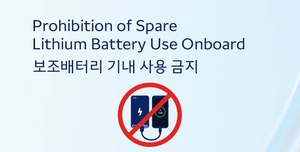
Hanjin Group, a conglomerate with five airlines including Korean Air, Asiana Airlines, Jin Air, Air Busan, and Air Seoul, has announced a new regulation effective from January 26, 2026. This regulation will ban the use of portable batteries onboard aircraft due to concerns over lithium-ion battery fires. The decision was made following discussions with aviation safety officials, who raised concerns about the potential risks associated with these batteries. The ban aims to enhance safety standards and prevent potential incidents that could endanger passengers and crew.
Key Points:
-
New Regulation on Portable Batteries: Starting from January 26, 2026, Hanjin Group’s five airlines will prohibit the use of portable batteries onboard aircraft. This decision is prompted by safety concerns related to lithium-ion battery fires.
-
Safety Concerns: The ban is a response to safety concerns raised by aviation safety officials regarding the potential risks posed by lithium-ion batteries onboard aircraft.
-
Effective Date: The new regulation will take effect on January 26, 2026, marking a significant change in airline policies concerning passenger safety.
Actionable Takeaways:
-
Enhanced Safety Measures: Airlines must update their policies and procedures to comply with the new regulation. This includes retraining staff on the handling and storage of portable batteries and implementing stricter security checks at airports. This action is crucial to ensure compliance with safety standards and to prevent potential incidents related to lithium-ion battery fires.
-
Investment in Battery Technology: The ban highlights the need for airlines to invest in safer battery technologies. Airlines may explore partnerships with battery manufacturers to develop and implement safer alternatives. This investment could lead to innovations in battery design and safety features, benefiting the broader travel industry.
-
Regulatory Compliance: Airlines must ensure full compliance with the new regulation to avoid penalties and maintain their reputation for safety. This may involve revising operational manuals and updating safety training programs for staff. Compliance with this regulation is not only a legal requirement but also a critical factor in maintaining passenger trust and safety.
Contextual Insights:
The ban on portable batteries onboard aircraft reflects a broader trend in the travel industry towards prioritizing safety and security. Recent incidents involving lithium-ion battery fires have underscored the need for stringent safety measures in air travel. This regulation aligns with the industry’s ongoing efforts to enhance passenger safety through technological advancements and policy changes. Furthermore, it highlights the increasing importance of regulatory compliance in the travel sector, as airlines are increasingly subject to stringent safety standards set by aviation authorities. Looking ahead, this regulation may spur further innovations in battery technology and safety protocols, potentially benefiting other sectors such as electric vehicle manufacturing and portable electronics. The travel industry must remain vigilant and adaptable to emerging safety challenges, ensuring that passenger safety remains the top priority.
Read the Complete Article.


