












Comprehensive Summarization:
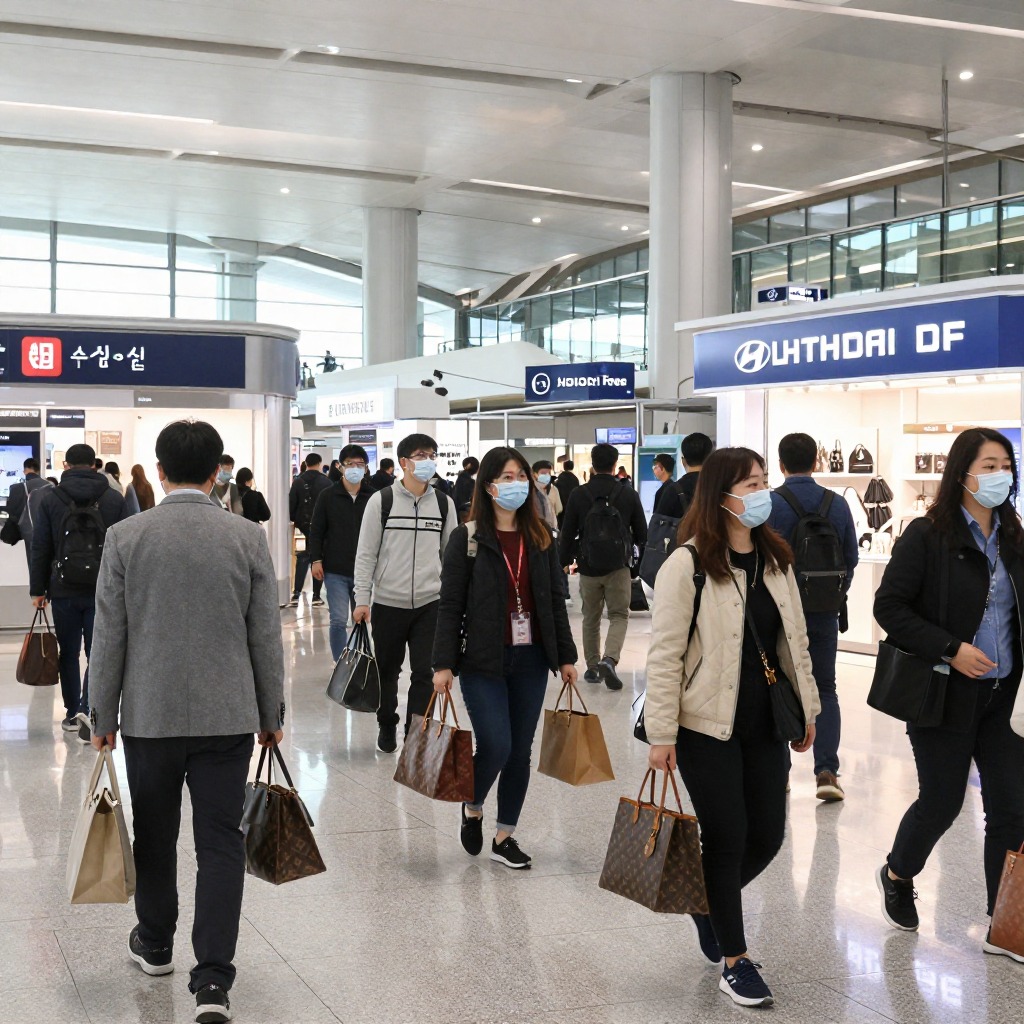
Korean Air, Asiana Airlines, United Airlines, and Japan Airlines have announced the establishment of new duty-free zones at Incheon Airport, marking a significant development in the global travel industry. This move, alongside the involvement of Lotte and Hyundai, signifies a strategic shift influenced by changes from China, Japan, and the US. As the travel industry continues to recover and expand post-pandemic, these new duty-free zones are expected to enhance the passenger experience and boost economic activity at Incheon Airport. The article highlights the broader context of the industry’s rebound, emphasizing the role of strategic partnerships and regional collaborations in shaping the future of air travel.
Key Points:
- Korean Air, Asiana Airlines, United Airlines, and Japan Airlines are introducing new duty-free zones at Incheon Airport.
- The initiative involves partnerships with Lotte and Hyundai, reflecting a strategic shift influenced by international market dynamics.
- The development is part of a broader trend of recovery and expansion in the global travel industry following the pandemic.
- The new duty-free zones aim to enhance the passenger experience and stimulate economic activity at Incheon Airport.
Actionable Takeaways:
-
Enhanced Passenger Experience: The introduction of new duty-free zones at Incheon Airport is likely to improve the shopping experience for travelers, offering a wider range of products and potentially lower prices. This could lead to increased retail sales and customer satisfaction, benefiting the airlines and the airport itself.
-
Economic Growth: The establishment of these duty-free zones aligns with broader economic recovery efforts in the travel sector. By attracting more passengers and boosting retail sales, the initiative could contribute to the economic growth of the airport and the surrounding region, fostering a positive feedback loop for local businesses.
-
Strategic Partnerships: The involvement of major corporations like Lotte and Hyundai underscores the importance of strategic partnerships in the travel industry. Such collaborations can drive innovation, improve service offerings, and create synergies that benefit all stakeholders, including airlines, airports, and retail partners.
Contextual Insights:
The introduction of new duty-free zones at Incheon Airport is a timely development that reflects the ongoing recovery and expansion of the global travel industry. Following the disruptions caused by the COVID-19 pandemic, airlines and airports are increasingly focusing on enhancing passenger experiences and optimizing revenue streams. The strategic shift influenced by changes from China, Japan, and the US highlights the interconnected nature of the global travel market and the importance of regional collaborations in driving innovation.
Looking ahead, this development is indicative of a larger trend towards creating seamless, integrated travel experiences that cater to the evolving needs of modern travelers. As the industry continues to adapt to new technologies and consumer preferences, initiatives like these are likely to become more prevalent, shaping the future of air travel. Furthermore, the involvement of major corporations like Lotte and Hyundai suggests that partnerships between airlines, airports, and retail giants will play a crucial role in driving future growth and innovation in the sector.
Read the Complete Article.


