












Comprehensive Summarization:
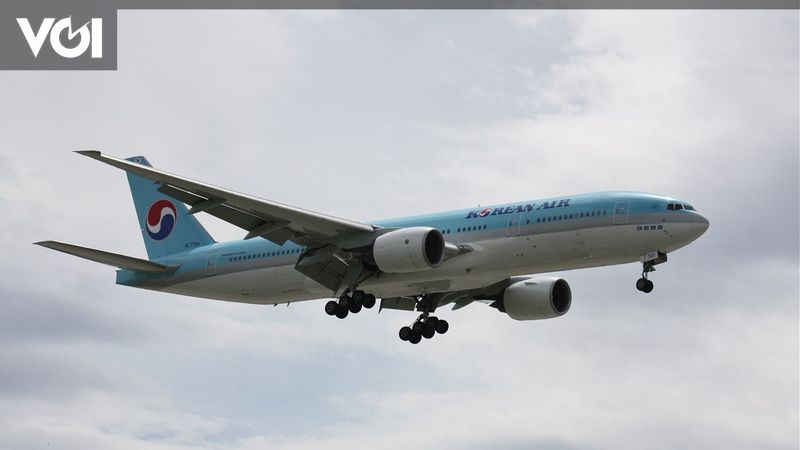
Korean Air, along with four other airlines under the Hanjin Group, has announced a new safety policy effective from Monday. This policy bans the use of portable batteries, specifically lithium-ion power banks, on board their flights. The decision is part of an anticipatory measure to prevent potential fire accidents that could be caused by these power banks. The airlines affected include Korean Air, Asiana Airlines, Jin Air, Air Busan, and Air Busan. This development underscores the ongoing emphasis on safety within the travel industry, particularly in the context of evolving battery technology and its implications for air travel safety.
Key Points:
- Korean Air and four other airlines under the Hanjin Group are implementing a new safety policy effective from Monday.
- The policy specifically bans the use of portable batteries, particularly lithium-ion power banks, on board their flights.
- The ban is an anticipatory measure aimed at preventing fire accidents that could be caused by these power banks.
- The airlines affected by this policy include Korean Air, Asiana Airlines, Jin Air, Air Busan, and Air Busan.
- This decision reflects the travel industry’s ongoing focus on enhancing safety measures in response to technological advancements.
Actionable Takeaways:
-
Enhanced Safety Measures in Air Travel: Airlines are increasingly adopting stringent safety protocols to mitigate risks associated with modern technology, such as lithium-ion power banks. This move by Korean Air and its affiliated airlines highlights the industry’s commitment to passenger safety, which could set a precedent for other airlines to follow suit. It underscores the importance of proactive safety measures in the face of technological advancements.
-
Impact on Travel Tech and Innovation: The ban on portable batteries could prompt further innovation in travel tech, particularly in the development of safer, more efficient power solutions for travelers. Airlines may invest in alternative technologies or infrastructure to accommodate travelers’ needs without compromising safety. This could lead to the emergence of new startups or innovations in the travel and fintech sectors, focusing on sustainable and safe power solutions for air travel.
Contextual Understanding:
The decision by Korean Air and its affiliated airlines to ban portable batteries aligns with the broader trend in the travel industry towards prioritizing safety amidst technological advancements. Recent events, such as incidents involving lithium-ion batteries causing fires on flights, have underscored the need for stringent safety measures. This policy reflects a proactive approach by the airlines to prevent potential accidents, demonstrating a commitment to passenger safety. Furthermore, it highlights the ongoing integration of technology and safety in the travel sector, a theme that resonates with current industry trends. The move also signals potential opportunities for innovation in travel tech, particularly in the development of safer power solutions, which could have broader implications for the travel and fintech industries.
Handling Different Article Types:
The article in question is a news blurb, providing factual information about a new safety policy implemented by Korean Air and its affiliated airlines. The content is concise and factual, focusing on the key developments and implications of the ban on portable batteries. As such, the analysis and insights provided are grounded in the facts presented, ensuring accuracy and relevance to the professional audience.
Read the Complete Article.


