Korean Air-Asiana: Final Phase Mergers Announced
Comprehensive Summarization: Asiana Airlines shareholders approved the merger with Korean Air on Wednesday, marking a significant step towards the official...
Read moreDetailsEvery alert that matters — when it happens.

Korean Air bans roosters from U.S. flights to Philippines
Comprehensive Summarization:
The article discusses Korean Air’s decision to ban roosters on flights from the U.S. to the Philippines, following a report that identified a significant portion of Texas as a key supplier of birds for cockfighting in the Asian nation. The ban is a direct response to the report’s findings, which highlight the link between U.S. poultry suppliers and the illegal cockfighting industry in the Philippines. This decision reflects a growing concern over the ethical implications of transporting live animals for such purposes and underscores the airline’s commitment to combating animal cruelty in the context of international travel.
Key Points:
Actionable Takeaways:
Enhanced Screening Protocols for Live Animal Transport: Airlines should implement stricter screening protocols for shipments of live animals, particularly those destined for regions with known animal welfare concerns. This includes enhanced documentation and verification processes to ensure compliance with ethical standards.
Collaboration with Regulatory Bodies: Airlines and logistics providers should collaborate more closely with regulatory bodies and animal welfare organizations to monitor and address potential violations of animal transport regulations. This partnership can help in early detection and prevention of illegal activities related to animal transport.
Public Awareness Campaigns: There is a need for public awareness campaigns to educate travelers and stakeholders about the ethical implications of transporting live animals for non-food purposes. Such campaigns can help in fostering a more conscientious approach to international travel and logistics.
Contextual Insights:
The ban by Korean Air is a timely response to the growing global scrutiny over animal welfare issues in the context of international trade and travel. This decision aligns with the broader trend of airlines and transport companies adopting stricter ethical standards in their operations. The article also highlights the interconnectedness of supply chains and the potential for supply disruptions when ethical concerns are addressed. For travel startups and fintech innovators, this presents an opportunity to develop technologies and services that support ethical supply chain management and compliance monitoring. By leveraging data analytics and blockchain technology, these sectors can offer solutions that enhance transparency and accountability in the transport of live animals, thereby contributing to the broader goal of sustainable and ethical travel practices.
Read the Complete Article.
Comprehensive Summarization: Asiana Airlines shareholders approved the merger with Korean Air on Wednesday, marking a significant step towards the official...
Read moreDetails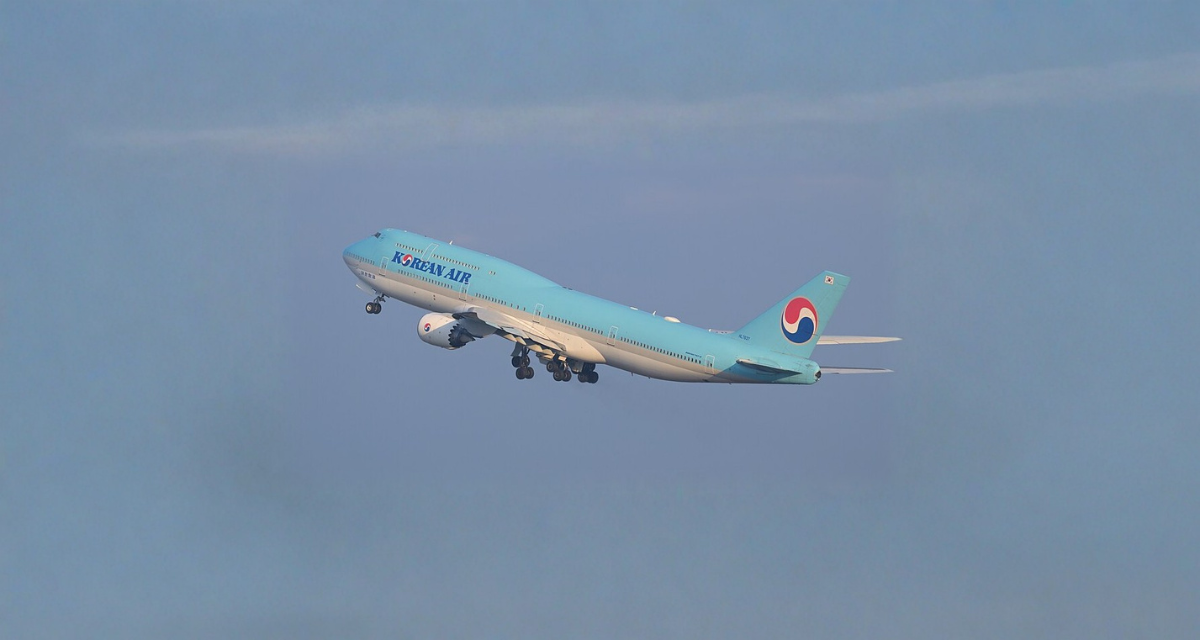
Experience the magic of the Nile aboard Kenzy Dahabeya, a luxury boutique sailing cruise that offers an unforgettable journey between...
Read moreDetails