












Comprehensive Summarization:
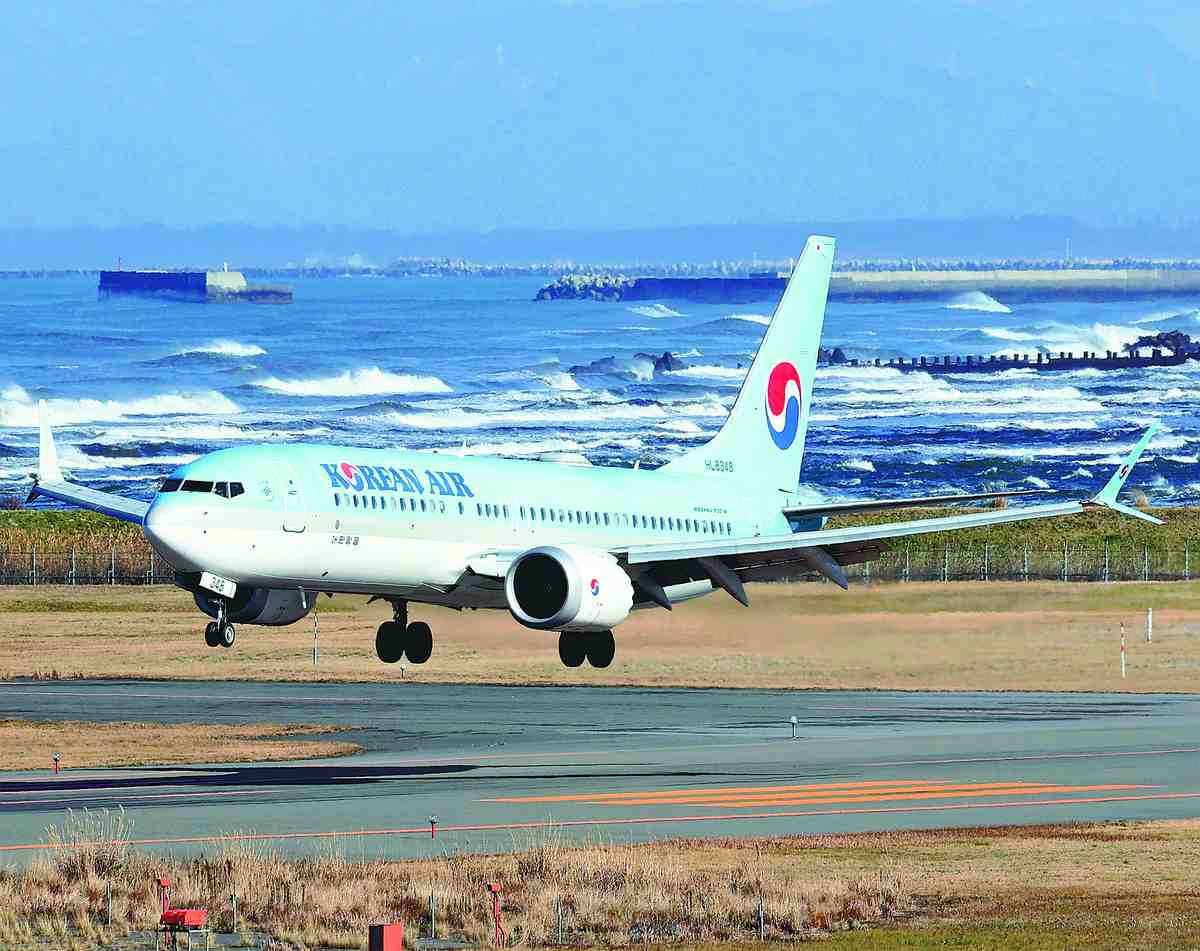
Korean Air has announced an increase in direct flights between Niigata and Seoul, raising the number of weekly flights from three to daily service starting June 1, 2026. This decision comes as passenger numbers on this route have been increasing since the easing of COVID-19 pandemic restrictions. Korean Air anticipates further growth in demand for this route. The flight service, which began in 1979, will see this expansion as part of the airline’s response to rising passenger interest and market demand.
Key Points:
- Korean Air will increase direct flights between Niigata and Seoul from three per week to daily service starting June 1, 2026.
- The increase is driven by a rise in passenger numbers on the route since the easing of COVID-19 pandemic restrictions.
- Korean Air expects demand for this route to continue growing.
- The flight service between Niigata and Seoul began in 1979.
Actionable Takeaways:
-
Increased Connectivity: The addition of daily flights between Niigata and Seoul is likely to enhance connectivity for travelers in these regions. This could lead to increased tourism and business travel, benefiting local economies and airlines operating on this route.
-
Market Demand: The decision to increase flights indicates a strong and growing demand for travel between Niigata and Seoul. This trend suggests that airlines should continue to monitor and respond to such market demands to optimize their flight schedules and services.
-
Industry Response to Post-Pandemic Trends: Korean Air’s move reflects broader industry trends post-pandemic, where airlines are focusing on increasing flight frequencies to capitalize on restored travel demand. This could serve as a model for other airlines considering similar adjustments in their route networks.
Contextual Insights:
The increase in direct flights between Niigata and Seoul is a strategic move by Korean Air in response to post-pandemic travel trends. As the travel industry recovers, there is a noticeable shift towards more frequent and direct flight options to meet the growing demand for efficient travel between major cities. This development aligns with the broader industry trend of leveraging technology and data analytics to optimize flight schedules and enhance passenger experience. Furthermore, this move underscores the importance of understanding and adapting to market demand, a key insight for travel startups and fintech companies looking to innovate in the travel sector. By focusing on routes with increasing demand, these entities can position themselves to capitalize on emerging opportunities in the travel market.
Read the Complete Article.


