











Comprehensive Summarization:
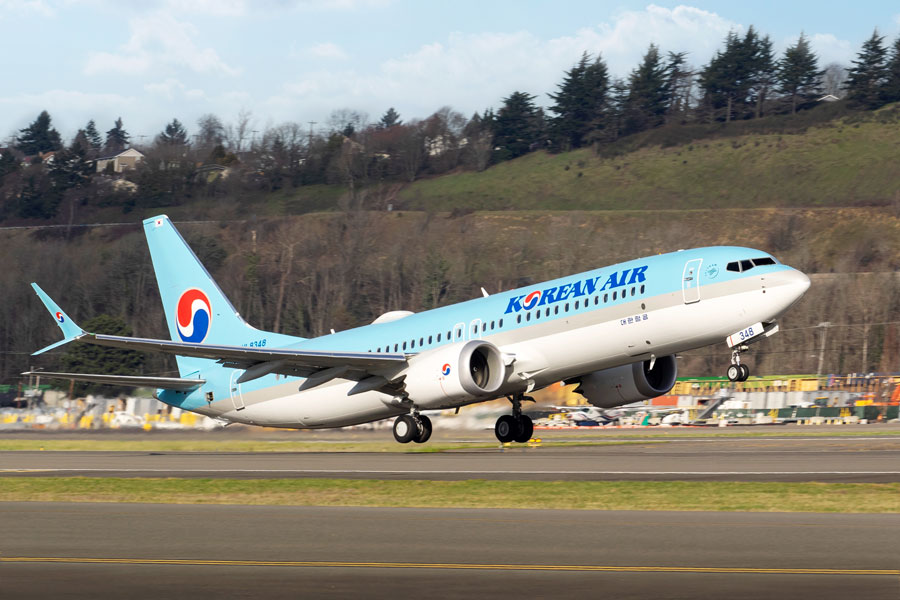
Korean Air has announced the addition of extra temporary flights on the Fukuoka–Seoul/Incheon route. The new flights, KE8795 and KE8796, will operate one round trip per day from February 12 to 28. Starting March 1 to 25, the frequency will increase by three round trips per week, specifically on Tuesdays, Wednesdays, and Sundays. The aircraft used for these flights will be Boeing 737-8, Boeing 737-900ER, or Airbus A321neo, resulting in a total of four round trips per day during the applicable period.
Key Points:
- Korean Air will introduce additional temporary flights on the Fukuoka–Seoul/Incheon route.
- The flights (KE8795/8796) will initially operate one round trip per day from February 12 to 28.
- Starting March 1 to 25, the frequency will increase by three round trips per week, specifically on Tuesdays, Wednesdays, and Sundays.
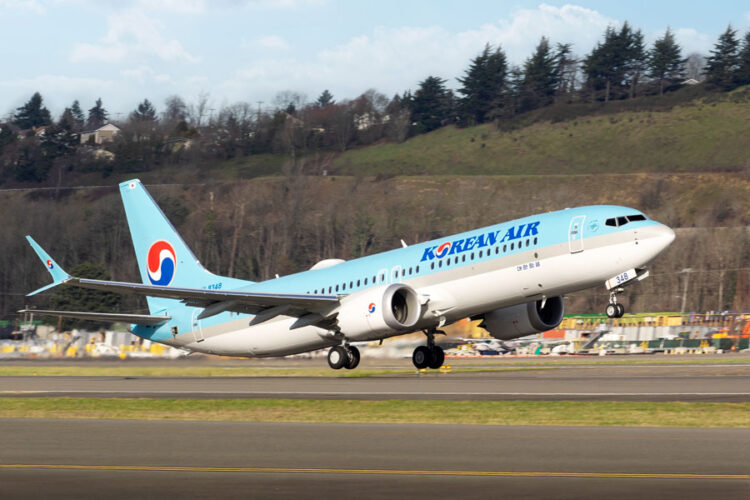
- The aircraft used for these flights will be Boeing 737-8, Boeing 737-900ER, or Airbus A321neo, totaling four round trips per day during the applicable period.
Actionable Takeaways:
-
Increased Flight Frequency: The addition of extra flights on the Fukuoka–Seoul/Incheon route provides travelers with more travel options, potentially increasing accessibility and convenience for passengers in this region. This move could be particularly beneficial for business travelers who require more flexible travel schedules.
-
Utilization of Modern Aircraft: The use of Boeing 737-8, Boeing 737-900ER, or Airbus A321neo highlights Korean Air’s commitment to modernizing its fleet. These aircraft are known for their efficiency and fuel economy, which aligns with current industry trends towards sustainable aviation. This could set a precedent for other airlines to consider similar upgrades, potentially driving down operational costs and environmental impact in the industry.
Contextual Insights:
The introduction of additional flights on the Fukuoka–Seoul/Incheon route by Korean Air reflects a broader trend in the travel industry towards enhancing connectivity and flexibility for travelers. As global travel resumes and demand recovers post-pandemic, airlines are increasingly focusing on optimizing their schedules to meet the growing demand while also adapting to the evolving needs of passengers. This move by Korean Air not only addresses the immediate need for more flight options but also underscores the airline’s strategic focus on leveraging modern aircraft technology to enhance operational efficiency and sustainability.
In the context of current industry trends, this development is particularly relevant as airlines continue to explore ways to improve passenger experience and operational efficiency. The use of advanced aircraft aligns with the industry’s push towards sustainability, as these models are designed to reduce fuel consumption and emissions. Furthermore, the increased frequency of flights can be seen as a response to the growing demand for more frequent travel options, especially in regions where travel is essential for business and leisure purposes.
Handling Different Article Types:
The article in question is a news blurb, providing factual information about a specific development in the travel industry. The structured output format ensures that the information is presented in a clear and organized manner, making it easy for readers to quickly grasp the key points and actionable insights. This approach is particularly useful for a professional audience that relies on concise and accurate information to make informed decisions.
Read the Complete Article.


