












Comprehensive Summarization:
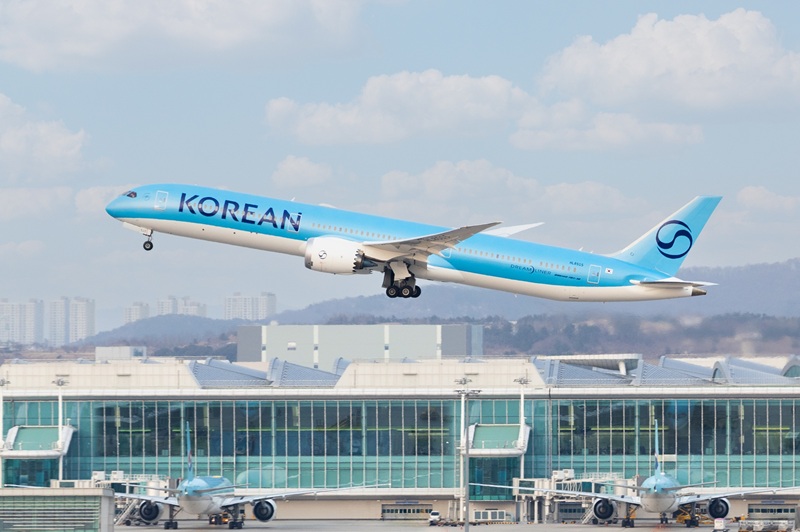
Korean Air is set to significantly expand its flight network to various local cities in Japan starting from March 29, 2026. The airline will increase weekly flight frequencies on several routes, including Seoul Incheon-Komatsu, Seoul Incheon-Aomori, Seoul Incheon-Okayama, and Seoul Incheon-Niigata. The Seoul Incheon-Komatsu route will see an increase from three to seven flights per week, while the Seoul Incheon-Aomori route will increase from three to five flights per week. The Seoul Incheon-Okayama route will see an increase from three to four flights per week, and the Seoul Incheon-Niigata route will increase from three to seven flights per week, beginning on June 1, 2026. This expansion is part of Korean Air’s strategy to enhance connectivity and cater to the growing demand for travel between South Korea and Japan.
Key Points:
- Korean Air will extend its flight networks to local cities in Japan, beginning from March 29, 2026.
- Weekly flight frequencies on several routes will increase, with the Seoul Incheon-Niigata route seeing the most significant increase from three to seven flights per week.
- The expansion is scheduled to commence on June 1, 2026, for the Seoul Incheon-Niigata route.
Actionable Takeaways:
-
Increased Connectivity: The expansion of Korean Air’s flight network to local cities in Japan will enhance connectivity between South Korea and Japan, making travel more convenient for passengers. This could lead to increased tourism and business travel between the two countries.
-
Opportunity for Local Airlines: The increased flight frequencies may pose a competitive challenge for local Japanese airlines operating on these routes. They may need to innovate or adjust their pricing strategies to remain competitive.
-
Impact on Travel Tech: The expansion could drive advancements in travel technology, particularly in areas such as flight booking, real-time flight tracking, and passenger experience enhancements. Airlines may invest in technologies to manage the increased demand and improve operational efficiency.
Contextual Insights:
The expansion of Korean Air’s flight network to Japan reflects a broader trend in the travel industry towards increased connectivity and convenience for travelers. As global travel resumes and demand recovers post-pandemic, airlines are focusing on expanding their networks to meet the growing demand. This move by Korean Air aligns with the industry’s shift towards digitalization and the integration of advanced technologies to enhance the passenger experience. Furthermore, the expansion could stimulate innovation in the travel tech sector, particularly in areas such as route optimization, demand forecasting, and personalized travel services. As airlines continue to adapt to changing market conditions and consumer preferences, the focus on connectivity and operational efficiency will remain a key driver of growth and competitiveness in the industry.
Read the Complete Article.


