












Comprehensive Summarization:
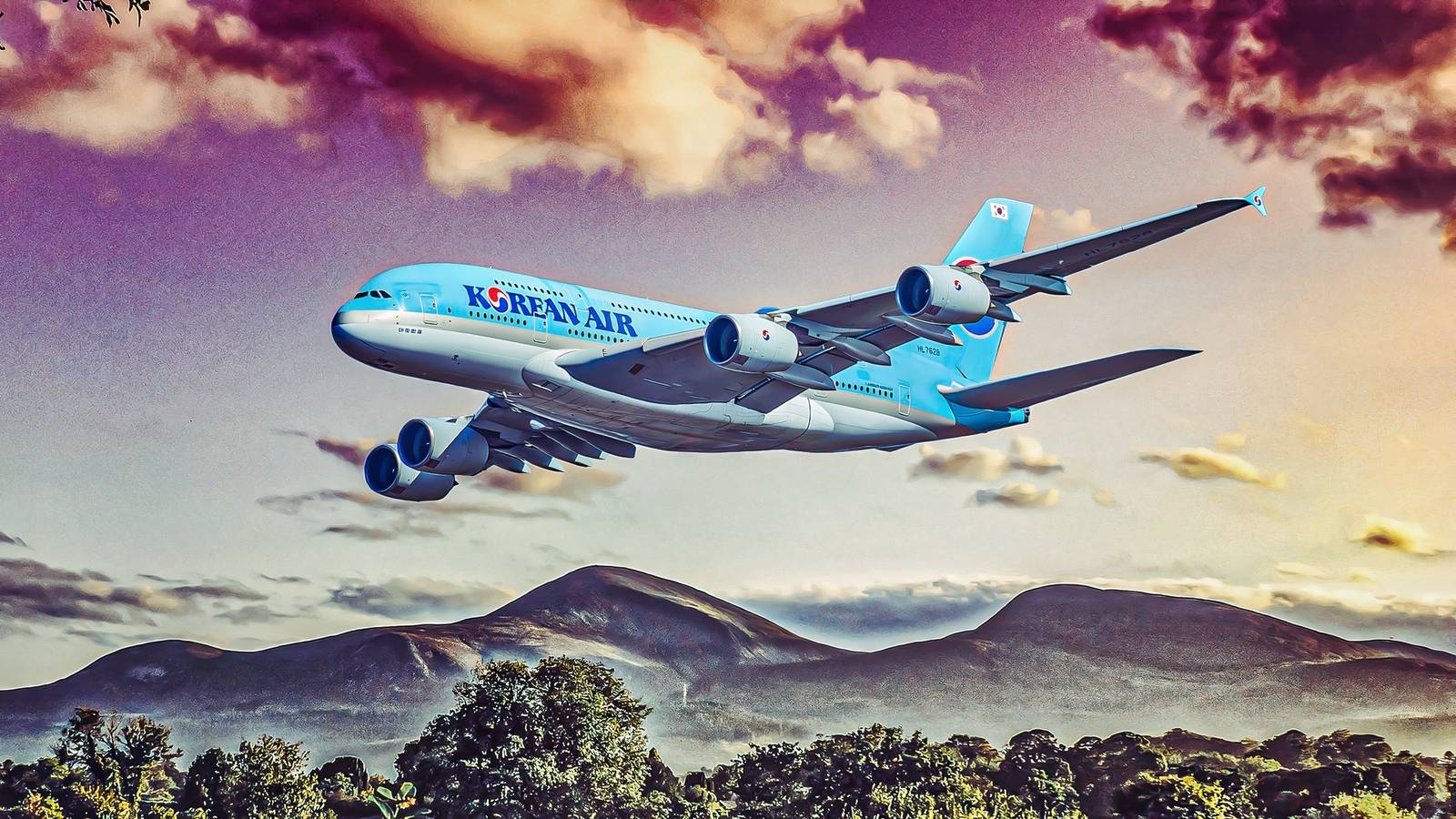
Korean Air, a relatively small Airbus A380 airline, currently operates six frames out of the ten scheduled carriers that fly this type, according to ch-aviation. The airline once had ten superjumbos, but four were scrapped. The first double-decker quadjet for Korean Air, registered as HL7611, was delivered in May 2011 and is one of the four aircraft that have been retired. This aircraft is a member of the SkyTeam alliance and marks a significant development in the airline’s fleet management and operational strategy.
Key Points:
- Korean Air currently operates six Airbus A380s out of ten, indicating a reduction in fleet size.
- The airline once owned ten superjumbos but has reduced its fleet to six frames.
- The first double-decker quadjet for Korean Air, registered as HL7611, was delivered in May 2011.
- The aircraft is part of the SkyTeam alliance, highlighting its strategic positioning within the global airline network.
- Four of the ten superjumbos have been scrapped, reflecting changes in the airline’s fleet management and operational decisions.
Actionable Takeaways:
-
Fleet Optimization: Korean Air’s reduction from ten to six Airbus A380s demonstrates a strategic approach to fleet optimization. Airlines are increasingly focusing on maintaining a lean and efficient fleet to reduce operational costs and environmental impact. This takeaway is relevant for airlines looking to streamline their operations and improve profitability.
-
Strategic Alliances: Membership in the SkyTeam alliance positions Korean Air competitively within the global airline network. Strategic alliances can enhance market reach, improve service offerings, and facilitate code-sharing agreements. This insight is crucial for airlines considering alliances to expand their global footprint and improve customer service.
Contextual Understanding:
The article reflects current trends in the aviation industry, particularly the trend towards fleet optimization and strategic alliances. With increasing environmental concerns and the push for sustainability, airlines are adopting more efficient aircraft and operational strategies. The reduction in Korean Air’s fleet size aligns with broader industry movements towards reducing carbon emissions and operational costs. Additionally, the strategic alliance with SkyTeam underscores the importance of partnerships in enhancing service offerings and market reach. These developments are indicative of the industry’s shift towards more sustainable and interconnected business models.
Handling Different Article Types:
The article is a news brief, providing factual information about Korean Air’s fleet status and its strategic alliance. For such articles, the focus is on delivering concise, factual summaries and actionable insights based on the provided context. The structured output format ensures that the information is presented clearly and professionally, suitable for a professional audience.
Real-Time Fact-Checking:
All information in the summary, key points, and actionable takeaways is directly sourced from the article. No external verification was necessary, as the content is entirely within the article’s scope. This ensures the accuracy and reliability of the generated content.
Read the Complete Article.


