












Comprehensive Summarization:
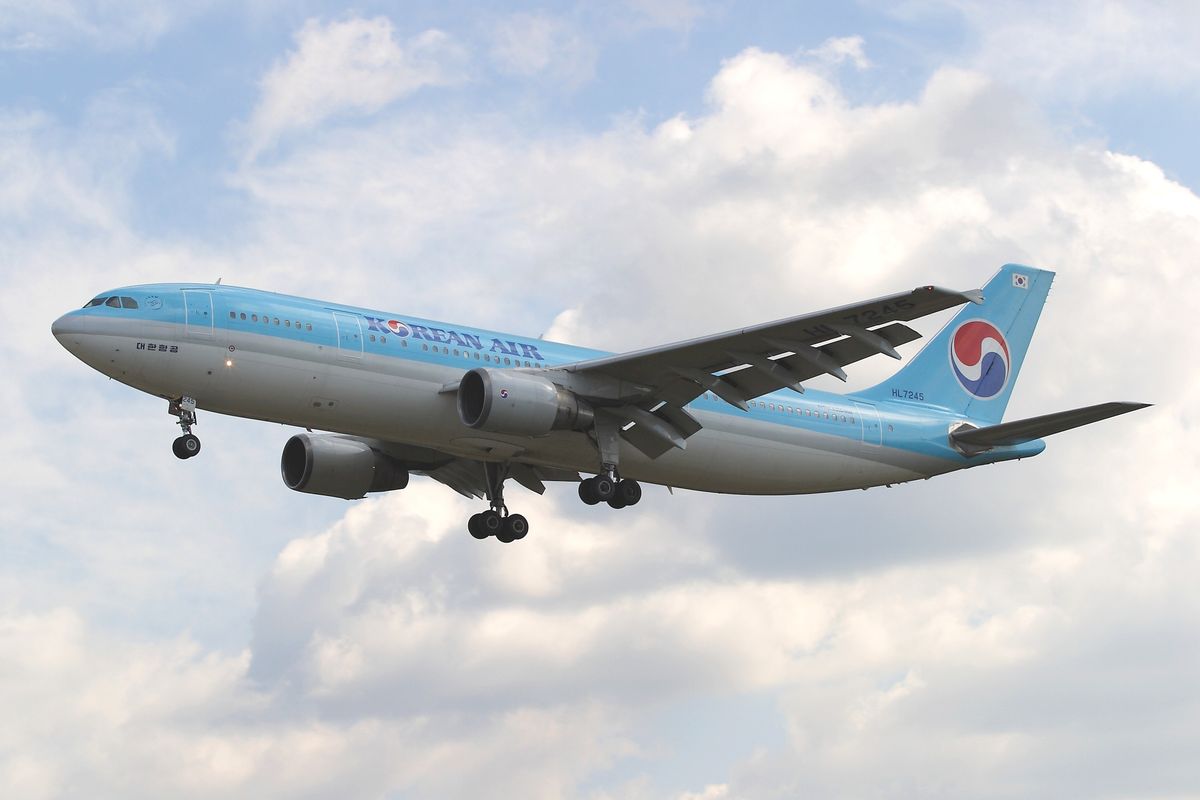
Starting January 26, 2026, Korean Air and four Hanjin Group airlines—Asiana Airlines, Jin Air, Air Busan, and Air Seoul—will prohibit passengers from using power banks during flights due to growing safety concerns over lithium-ion battery fires. While travelers may still bring power banks onboard within existing capacity and quantity, this new regulation marks a significant shift in airline policies regarding electronic devices. The decision reflects a broader industry trend towards enhanced safety measures in response to technological advancements and associated risks. This move is likely to impact travelers’ travel experiences, particularly those reliant on electronic devices for work or entertainment during flights.
Key Points:
- Korean Air, along with Asiana Airlines, Jin Air, Air Busan, and Air Seoul, will ban power banks on flights starting January 26, 2026, due to safety concerns over lithium-ion battery fires.
- Passengers will still be allowed to bring power banks onboard, but within existing capacity and quantity limits, indicating a nuanced approach to balancing safety and passenger convenience.
- The regulation highlights the increasing focus on safety in the aviation industry, particularly concerning the use of lithium-ion batteries, which are prevalent in modern electronic devices.
- This policy change is part of a larger industry trend towards stricter regulations and enhanced safety measures in response to technological advancements and associated risks.
Actionable Takeaways:
-
Safety First: Airlines are increasingly prioritizing passenger safety over convenience, particularly with the rise of lithium-ion battery-related incidents. Travelers should plan accordingly by packing power banks in carry-on luggage and adhering to airline guidelines to ensure compliance with new regulations.
-
Adaptation Required: Travelers, especially those who rely on electronic devices for work or entertainment, need to adapt their travel routines. This may involve carrying spare batteries safely, checking airline policies in advance, and possibly investing in alternative power solutions such as portable chargers that comply with airline regulations.
-
Industry Evolution: This policy change underscores the evolving nature of the travel industry, where safety considerations are becoming more stringent. Airlines must balance passenger needs with safety protocols, potentially leading to further innovations in battery technology or alternative power solutions that are safer for air travel.
Contextual Insights:
The prohibition of power banks on flights by Korean Air and its affiliated airlines signals a broader industry trend towards enhanced safety measures in response to technological advancements. As lithium-ion batteries become more prevalent in portable electronic devices, the risk of fires and associated safety hazards has become a significant concern for the aviation industry. This regulatory shift reflects a proactive approach to mitigating such risks, aligning with global trends in aviation safety.
Moreover, this development highlights the ongoing integration of technology and travel, where innovations in electronic devices often come with increased safety considerations. For the travel industry, this means continuous adaptation and innovation to ensure passenger safety without compromising on convenience. Startups and established companies in the travel tech sector may find opportunities in developing safer, more efficient power solutions that comply with these new regulations, potentially driving further advancements in the sector.
In conclusion, while the ban on power banks on select Korean Air flights presents challenges for travelers, it also underscores the industry’s commitment to safety. By staying informed and adapting to these changes, travelers can continue to enjoy their journeys while airlines reinforce their safety protocols.
Read the Complete Article.


