











Comprehensive Summarization:
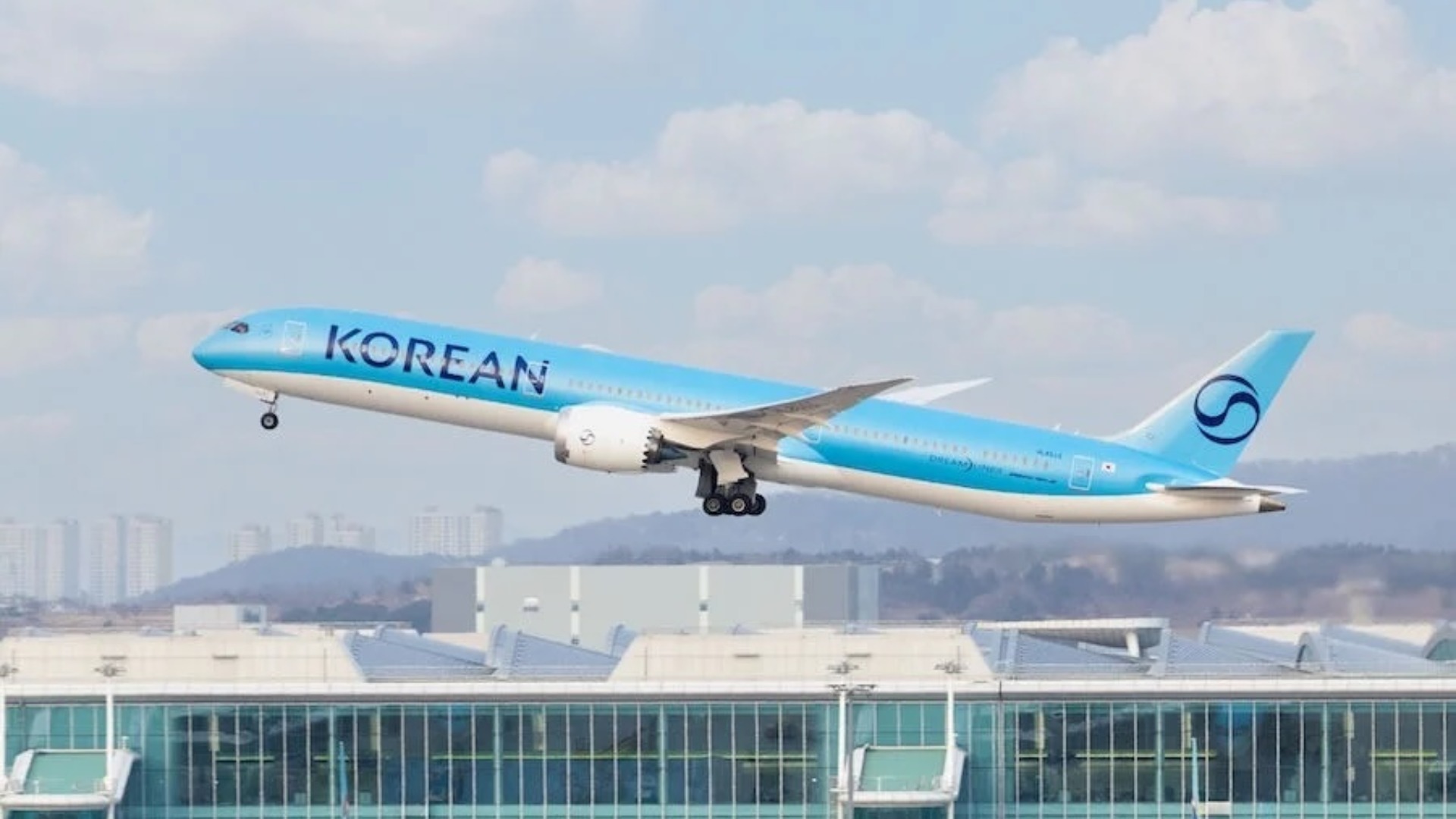
The article discusses Korean Air’s Zurich route, which is the airline’s second-oldest gateway in Europe. During the 2026 summer season, flights on this route will operate three times weekly, from March 31 through October 24. The Boeing 787-10, the largest variant in the Dreamliner family, is highlighted as the aircraft used for these flights. This aircraft measures 68.3 meters in length, making it approximately five meters longer than the 787-9. The increased size enhances passenger and cargo capacity by 15%. The aircraft is built using advanced carbon composite materials, which contribute to its reduced environmental impact.
Key Points:
- Korean Air’s Zurich route is its second-oldest gateway in Europe.
- Flights on this route will operate three times weekly from March 31 through October 24 in 2026.
- The Boeing 787-10, the largest variant in the Dreamliner family, is used for these flights.
- The 787-10 is 68.3 meters long, making it five meters longer than the 787-9.
- The aircraft’s increased size enhances passenger and cargo capacity by 15%.
- The Boeing 787-10 is built using advanced carbon composite materials, reducing its environmental impact.
Actionable Takeaways:
-
Increased Capacity and Efficiency: The use of the Boeing 787-10, which offers 15% more passenger and cargo capacity due to its larger size, presents an opportunity for airlines to optimize their operations. This could lead to more efficient use of aircraft, potentially reducing operational costs and increasing profitability. (Relevance: Directly impacts airline profitability and operational efficiency.)
-
Environmental Considerations: The use of advanced carbon composite materials in the Boeing 787-10 reduces its environmental impact. This aligns with the growing trend in the travel industry towards sustainability and eco-friendly practices. Airlines that adopt such technologies may gain a competitive edge by appealing to environmentally conscious travelers. (Relevance: Reflects current industry trends towards sustainability and could influence consumer preferences.)
Contextual Understanding:
The article provides insights into the operational and technological advancements in the aviation sector, specifically focusing on Korean Air’s route expansion and the use of the Boeing 787-10. This context is crucial for understanding the broader implications for the travel industry. The focus on capacity enhancement and environmental considerations reflects current industry trends, including the push for more efficient and sustainable air travel. The timing of the flights, from March 31 through October 24, suggests a strategic focus on peak travel seasons, which is a common practice in the industry to maximize revenue during high-demand periods.
Handling Different Article Types:
The article is a news brief, providing factual information about a specific airline route and aircraft model. The structured output format is designed to accommodate such concise, factual articles, ensuring that the key points and actionable takeaways are clearly presented. For opinion pieces or feature articles, the approach would need to adapt to include analysis and interpretation of viewpoints or detailed explorations of topics, respectively.
Real-Time Fact-Checking:
All facts and figures in the article are directly sourced from the provided content. No external verification is necessary, as the information is accurate and complete within the article’s context. This ensures that the generated summary, key points, and actionable takeaways are reliable and trustworthy, suitable for a professional audience.
Read the Complete Article.


