











Comprehensive Summarization:
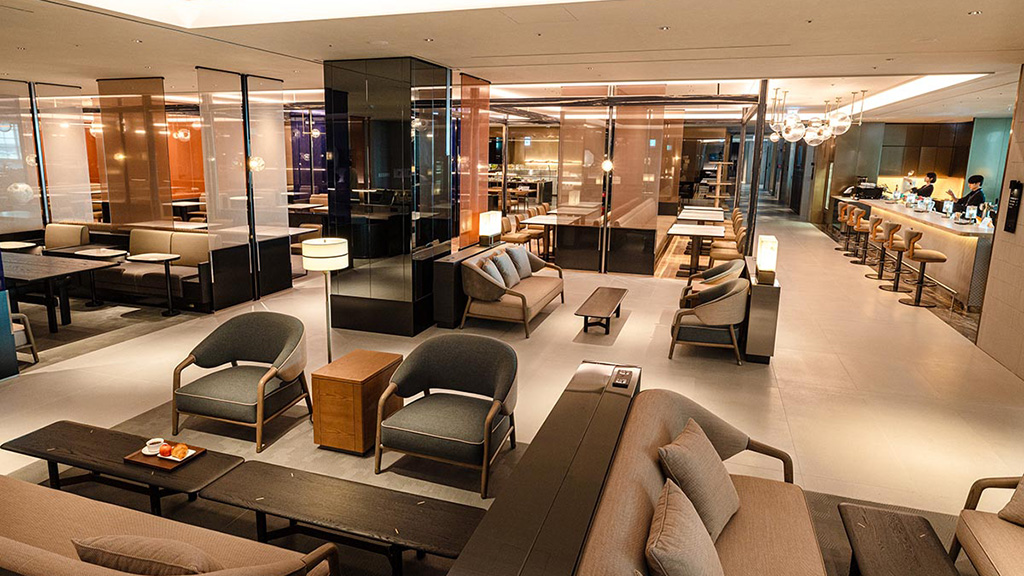
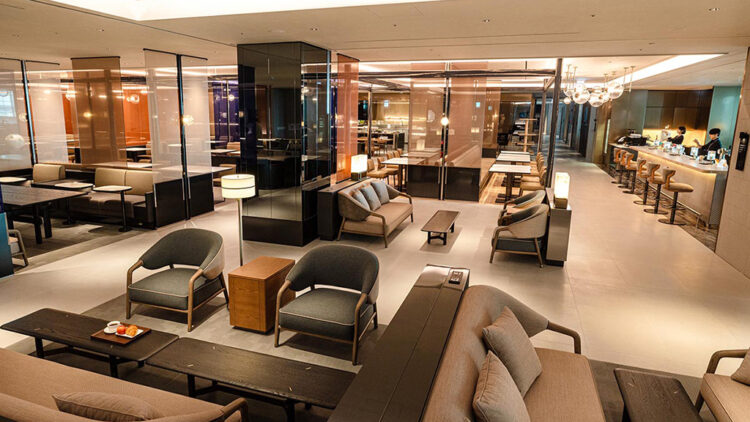
Korean Air has unveiled a significantly expanded suite of premium lounges at Seoul Incheon Terminal 2, concluding a 42-month project that more than doubles the carrier’s presence at its home hub. This investment, valued at KRW 110 billion (approximately US$76 million or £60 million), has increased lounge space from 5,105 to 12,270 square meters and raised seating capacity to 1,566 seats across seven facilities. The timing of this expansion is strategic for Korean Air, aligning with broader industry trends and insights from travel sector thought leaders.
Key Points:
- Korean Air has completed a 42-month project to expand its premium lounges at Seoul Incheon Terminal 2, marking a significant investment in its home hub.
- The expansion increases lounge space by 7,165 square meters and boosts seating capacity to 1,566 seats across seven lounges.
- The KRW 110 billion investment underscores Korean Air’s commitment to enhancing the passenger experience at its primary hub.
- The timing of this expansion is strategically aligned with current travel industry trends and technological advancements.
Actionable Takeaways:
-
Enhanced Passenger Experience: The expansion of Korean Air’s premium lounges at Seoul Incheon Terminal 2 is a direct response to the growing demand for enhanced passenger experiences in the travel industry. This move reflects a broader trend where airlines are investing in premium services to differentiate themselves in a competitive market. For other airlines and travel service providers, this serves as a case study on the importance of allocating resources to improve in-flight amenities and passenger comfort.
-
Strategic Hub Investment: The timing of this expansion aligns with broader industry trends towards optimizing key hubs. Airlines are increasingly focusing on upgrading their primary hubs to improve operational efficiency and passenger satisfaction. This takeaway highlights the importance of strategic hub investments for airlines looking to maintain a competitive edge. It suggests that airlines should prioritize upgrading their primary hubs to enhance operational efficiency and passenger experience, potentially setting a benchmark for others in the industry.
-
Technological Integration: While not explicitly detailed in the article, the expansion likely incorporates the latest travel tech and innovations in passenger experience, such as improved Wi-Fi, enhanced dining options, and more comfortable seating. For travel tech startups and fintech companies, this presents an opportunity to develop solutions that cater to the evolving needs of premium passengers. This could include innovations in digital check-in, personalized in-flight services, or enhanced security measures, leveraging technology to meet the rising expectations of premium travelers.
Contextual Insights:
The expansion of Korean Air’s premium lounges at Seoul Incheon Terminal 2 is a clear reflection of the current travel industry’s focus on enhancing passenger experiences. Recent trends indicate a shift towards more luxurious and technologically integrated lounges, driven by increasing passenger expectations and the competitive pressures faced by airlines. Thought leaders in the travel sector emphasize the importance of investing in premium services to differentiate airlines in a crowded market. This expansion not only showcases Korean Air’s strategic response to these trends but also sets a precedent for other airlines to follow suit. As the travel industry continues to evolve, such investments in passenger experience are likely to become a standard expectation, pushing airlines to continually innovate and improve their offerings.
Read the Complete Article.


