












Comprehensive Summarization:
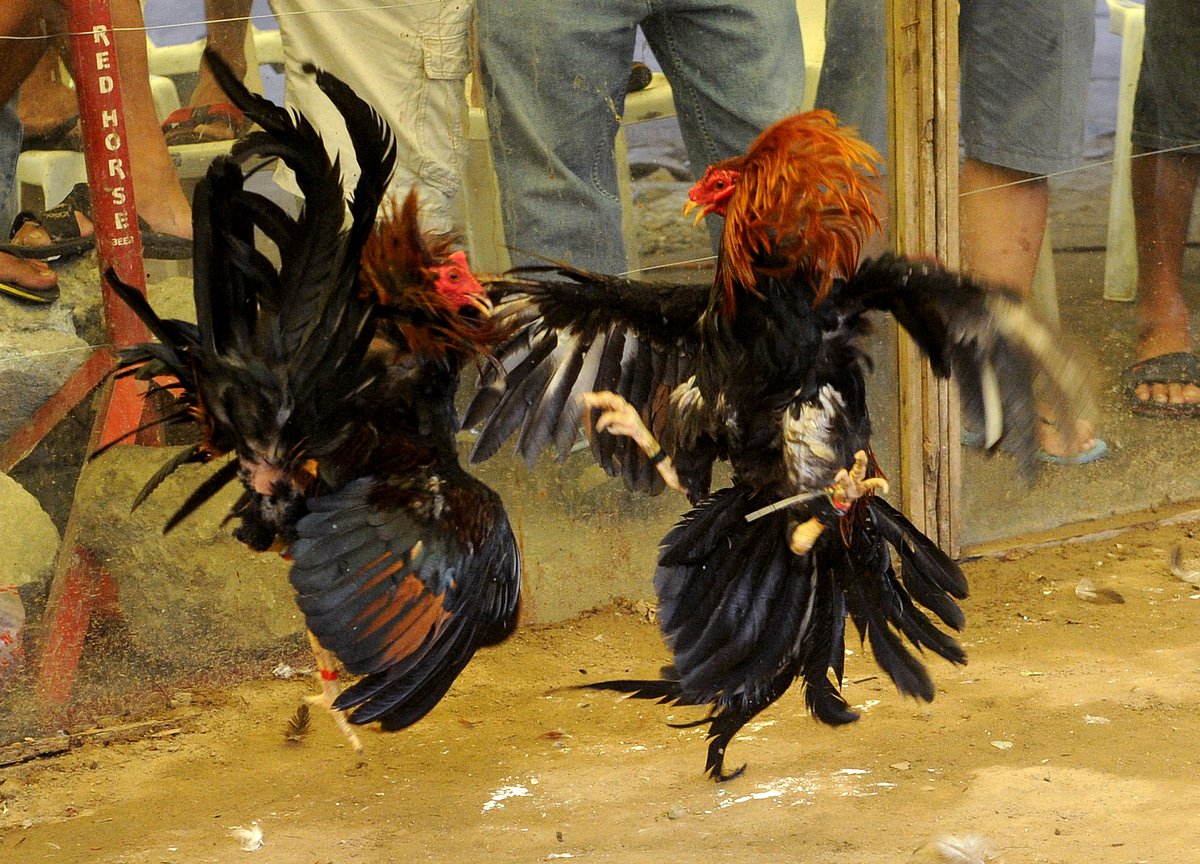
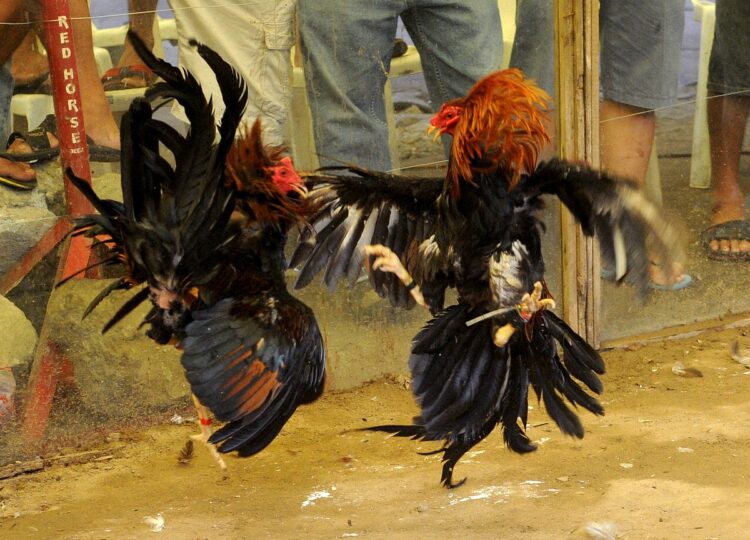
The article discusses a ban on cockfighting by Korean Air, a major airline, following months of campaigning by animal rights groups, notably People for the Ethical Treatment of Animals Philippines (PETA Philippines). Jana Sevilla, spokesperson for PETA Philippines, confirmed that the decision was specifically about cockfighting and expressed hope that other airlines would follow suit. The group also noted that the Philippines remains among countries where such practices are prevalent. The summary captures the main theme of the airline’s stance against animal cruelty, the role of animal rights advocacy, and the broader context of animal welfare in the travel industry.
Key Points:
- Korean Air has banned cockfighting on its flights, following a campaign by animal rights groups.
- PETA Philippines, led by spokesperson Jana Sevilla, confirmed the ban was specifically about cockfighting.
- The decision is seen as a positive move by animal rights advocates, with hopes that other airlines will follow.
- The Philippines is highlighted as a country where cockfighting remains a prevalent issue.
Actionable Takeaways:
-
Increased Demand for Ethical Travel Options: The ban on cockfighting by Korean Air could signal a growing consumer demand for airlines that prioritize ethical and humane practices. Travel companies may need to reassess their policies and offerings to align with this trend, potentially leading to a market shift towards more animal-friendly travel options.
-
Opportunity for Collaboration with Animal Rights Groups: Airlines and travel companies could benefit from collaborating with animal rights organizations to promote ethical practices. This could enhance brand reputation, attract ethically conscious travelers, and potentially open new market segments. Such partnerships could also lead to innovative solutions in travel tech, such as apps that highlight ethically operated destinations or airlines.
-
Potential for Regulatory Changes: The ban on cockfighting may prompt regulatory bodies to review and enforce stricter animal welfare policies across the travel industry. Airlines and travel agencies should stay informed about evolving regulations to ensure compliance and capitalize on opportunities to lead in ethical travel practices.
Contextual Insights:
The ban on cockfighting by Korean Air reflects a broader trend in the travel industry towards ethical and sustainable practices. Recent years have seen increased scrutiny on animal welfare issues, with consumers and advocacy groups pushing for more responsible travel options. This move by Korean Air aligns with the growing emphasis on corporate social responsibility (CSR) and sustainability, which are critical factors for modern travelers. The article also highlights the role of animal rights advocacy in driving such changes, underscoring the importance of stakeholder engagement in shaping industry standards. As travel tech continues to evolve, innovations that support ethical practices—such as transparent reporting on animal welfare standards—could become a key differentiator for airlines and travel companies. This context suggests that the industry is moving towards a more conscientious approach, where ethical considerations are integrated into core business strategies.
Read the Complete Article.


