












Comprehensive Summarization:
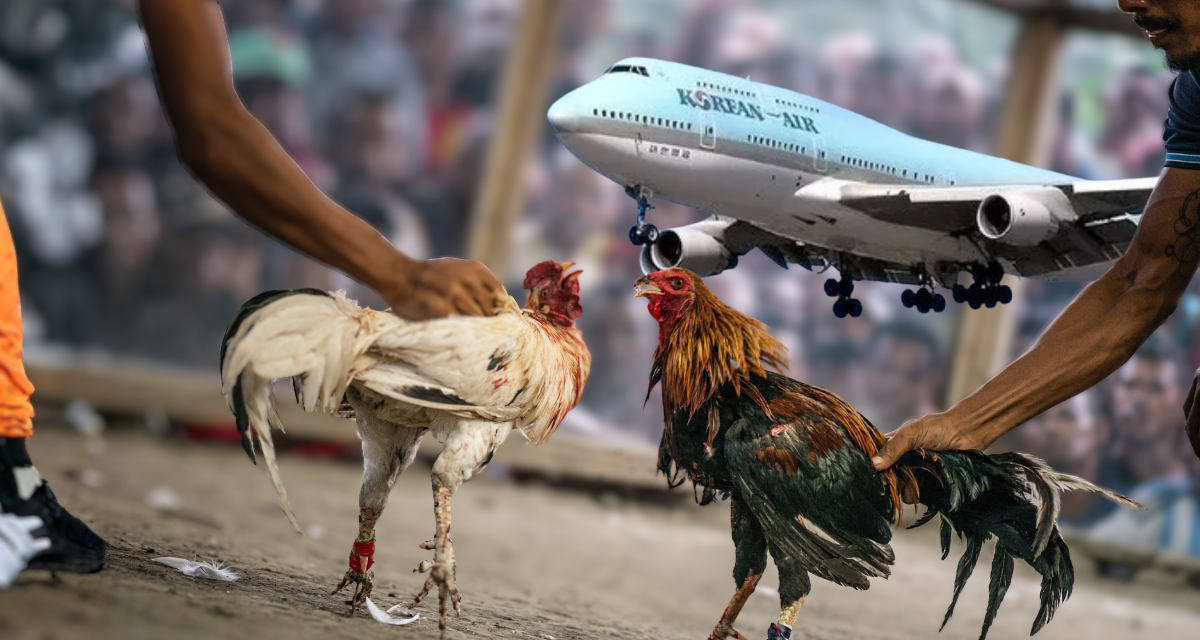
Today marks a significant milestone in the global effort to eradicate animal fighting, as Korean Air, one of the world’s largest air carriers of illegally trafficked fighting birds, has agreed to halt all shipments of roosters to the Philippines. This breakthrough comes after months of investigations and inter-corporate engagement. The article also touches on the latest travel trends and insights from thought leaders, highlighting the evolving landscape of the travel industry, including innovations in travel tech, startups, and fintech.
Key Points:
- Korean Air has agreed to cease shipments of roosters to the Philippines, marking a significant non-legislative breakthrough in the fight against animal fighting.
- The decision follows extensive investigations and inter-corporate engagement, underscoring the commitment of major global players in addressing illegal wildlife trade.
- The article also integrates the latest travel trends and insights from thought leaders, providing a forward-looking perspective on the travel industry.
Actionable Takeaways:
-
Enhanced Corporate Responsibility in Travel: Korean Air’s decision to halt shipments of illegally trafficked birds sets a precedent for other major airlines to follow. Companies in the travel industry should consider implementing stricter vetting processes for partners involved in wildlife trade to ensure compliance with anti-trafficking laws and ethical standards. This move not only aligns with global efforts to combat animal cruelty but also enhances the brand’s reputation among eco-conscious consumers.
-
Integration of Technology in Travel Compliance: The article highlights the importance of technology in enforcing anti-trafficking measures. Travel companies can leverage advanced tracking systems and AI-driven monitoring tools to ensure compliance with regulations. By adopting such technologies, travel startups and established firms can streamline their compliance processes, reduce the risk of illegal activities, and gain a competitive edge in the market.
Contextual Insights:
The agreement between Korean Air and the global community to halt shipments of roosters to the Philippines is a testament to the growing importance of ethical practices in the travel industry. This development aligns with the broader trend of integrating sustainability and ethical considerations into travel planning and operations. As the travel industry continues to evolve, thought leaders emphasize the need for startups and established companies alike to adopt innovative solutions that promote transparency, accountability, and environmental responsibility. The integration of fintech solutions, such as blockchain for supply chain transparency, could further enhance the industry’s ability to combat illegal activities and ensure ethical practices are upheld. This forward-looking perspective underscores the critical role of technology and corporate responsibility in shaping the future of travel.
Read the Complete Article.



