












Comprehensive Summarization:
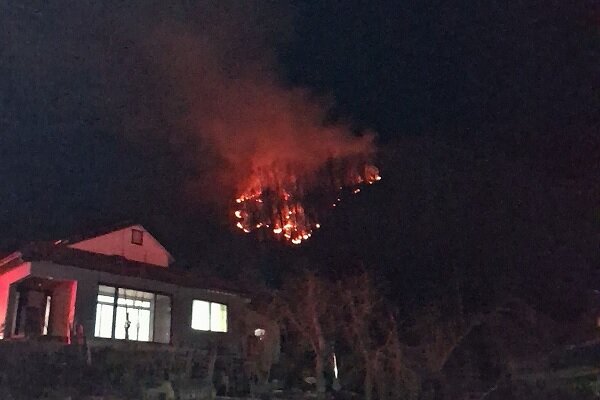
The article reports a fighter jet crash in Yeongju, North Gyeongsang, South Korea, on Wednesday at approximately 7:31 p.m. The incident involved an F-16C, a single-seat fighter assigned to the Air Force’s base in Chungju, which crashed in a mountainous area during a night training flight. The pilot successfully ejected and was confirmed to be safe. No civilian damage was reported in the initial assessments. The Air Force has established a special task force, led by the vice chief, to investigate the incident.
Key Points:
- An F-16C fighter jet crashed in Yeongju, North Gyeongsang, during a night training flight.
- The pilot ejected and was confirmed to be safe.
- No civilian damage was reported.
- The Air Force has set up a special task force to investigate the incident.
Actionable Takeaways:
- Enhanced Safety Protocols for Night Training Flights: The incident underscores the importance of reviewing and potentially enhancing safety protocols for night training flights. Given the successful ejection of the pilot, it suggests that the pilot’s training and equipment were effective. However, this incident may prompt a thorough review of night flight procedures to prevent similar occurrences in the future. This takeaway is crucial for aviation safety standards and could influence training programs and operational guidelines within the Air Force and similar organizations globally.
Contextual Understanding:
The article reflects a critical moment in aviation safety, particularly concerning night training flights, which are common in military operations. The successful ejection of the pilot indicates robust safety measures in place, yet the crash highlights the inherent risks associated with such operations. This event is particularly relevant in the context of ongoing advancements in aviation technology and safety protocols. It also aligns with broader industry trends focusing on the importance of rigorous safety assessments and continuous improvement in aviation operations. The establishment of a special task force by the Air Force demonstrates a proactive approach to investigating and learning from such incidents, which is a positive development in aviation safety culture.
Handling Different Article Types:
The article in question is a news blurb, providing factual information about a specific aviation incident. The structured output format is designed to accommodate such concise and factual reporting, ensuring clarity and relevance for a professional audience. Given the nature of the article, there are no opinion pieces or feature analyses to consider, making the focus strictly on factual reporting and actionable insights derived from the provided content.
Read the Complete Article.


