












Comprehensive Summarization:
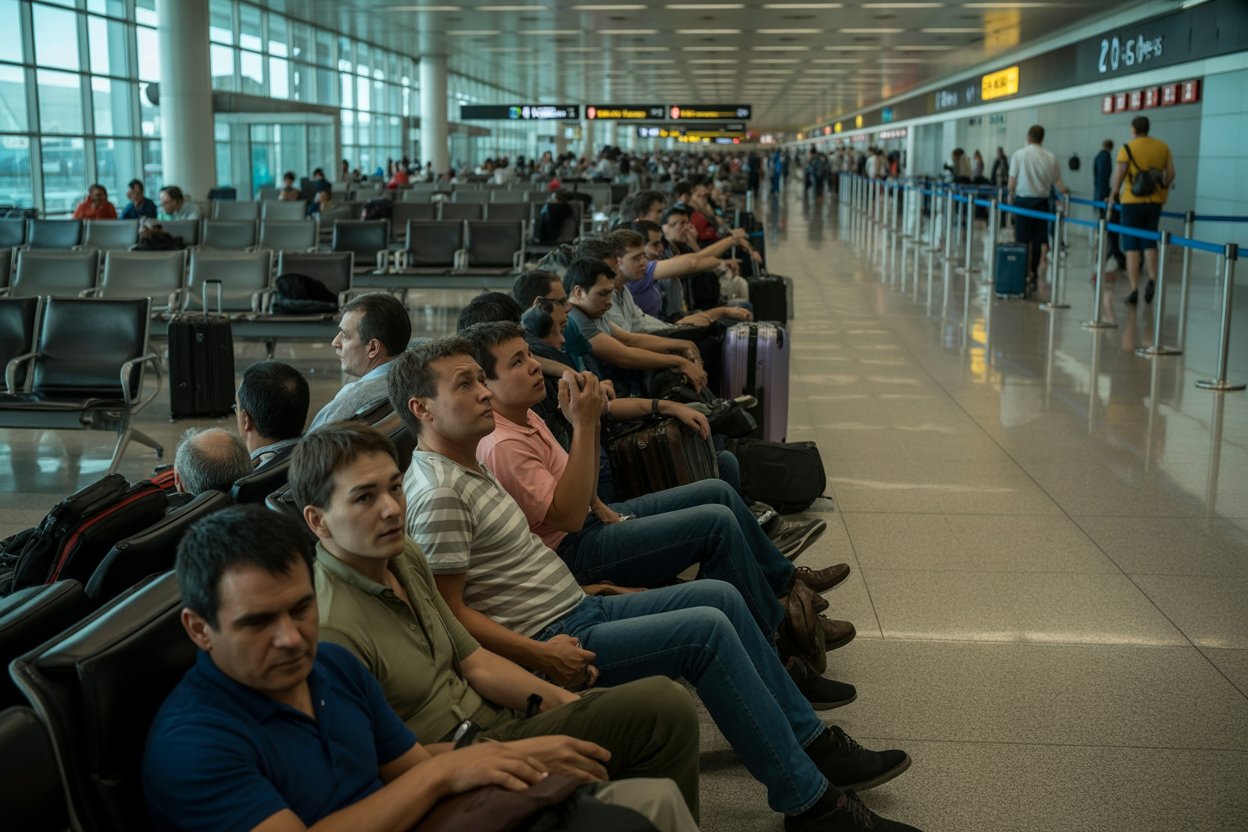
South Korea is currently facing significant airline disruptions, with five key flights cancelled this week. These cancellations affect major destinations including Gimpo, Cheongju, Gwangju, and Boston. The affected airlines include Korean Air and Eastar Jet. The article, published on January 27, 2026, highlights the challenges faced by travelers and the broader implications for the travel industry in South Korea. The disruptions are likely to impact travel plans and could signal broader issues within the airline sector, warranting attention from both industry stakeholders and travel enthusiasts.
Key Points:
- Flight Cancellations: Five flights have been cancelled this week, impacting key destinations such as Gimpo, Cheongju, Gwangju, and Boston.
- Airlines Involved: The cancellations involve airlines Korean Air and Eastar Jet, indicating potential operational or logistical challenges within these carriers.
- Impact on Travel: The cancellations are hindering travel to several destinations, affecting both domestic and international travelers.
- Publication Date: The article was published on January 27, 2026, providing a current snapshot of the situation in South Korea’s airline industry.
Actionable Takeaways:
-
Monitor Airline Operations: Travel agencies and airlines should closely monitor the operational status of Korean Air and Eastar Jet. This includes tracking any further cancellations or delays and advising clients accordingly. This proactive approach can help mitigate the impact on travel plans and bookings.
-
Explore Alternative Routes: Travelers affected by these cancellations should explore alternative routes or modes of transportation. This could involve rerouting flights, using ground transportation, or considering other airlines. Offering flexible booking options can enhance customer satisfaction and reduce the financial impact of disruptions.
-
Enhance Communication: Airlines should improve communication with affected passengers. Providing timely updates, offering rebooking options, and compensating for inconveniences can help maintain customer trust and loyalty. Effective communication is crucial in managing the perception of reliability and service quality during disruptions.
Contextual Insights:
The recent flight cancellations in South Korea underscore the vulnerabilities within the airline sector, particularly in managing operational challenges. This situation is reflective of broader trends in the travel industry, where external factors such as weather, technical issues, or labor disputes can lead to significant disruptions. The cancellations by Korean Air and Eastar Jet highlight the need for robust contingency planning and flexible operational strategies within airlines.
In the context of current travel trends, the emphasis on digital communication and customer-centric solutions is more critical than ever. The rise of travel tech and fintech innovations, such as real-time booking platforms and seamless rebooking options, can play a pivotal role in mitigating the impact of such disruptions. Startups focusing on travel disruption management and customer support solutions could find increased demand as the industry navigates these challenges.
Moreover, the article’s timing, with the cancellations occurring in early January 2026, suggests that the travel industry may need to prepare for similar disruptions as the year progresses. Experts predict that increased reliance on technology and data analytics will be key in predicting and preventing such disruptions, thereby enhancing the resilience of the travel sector.
Read the Complete Article.


