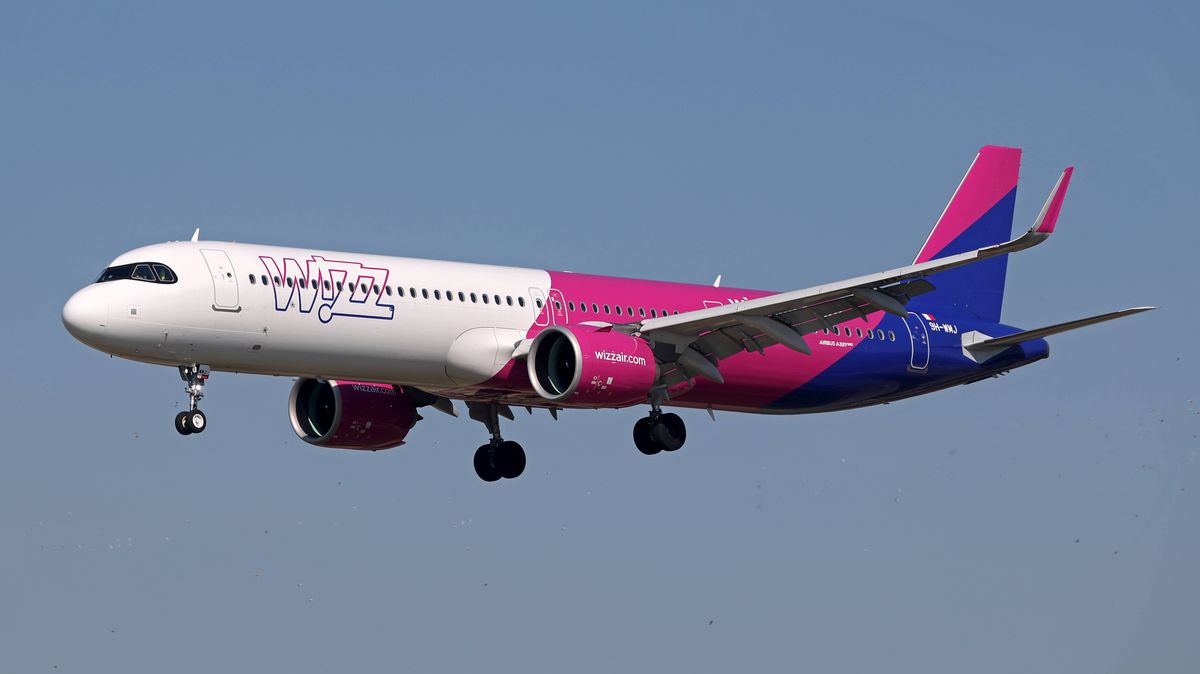
Korean Air-Asiana: Final Phase Mergers Announced
Comprehensive Summarization: Asiana Airlines shareholders approved the merger with Korean Air on Wednesday, marking a significant step towards the official...
Read moreDetails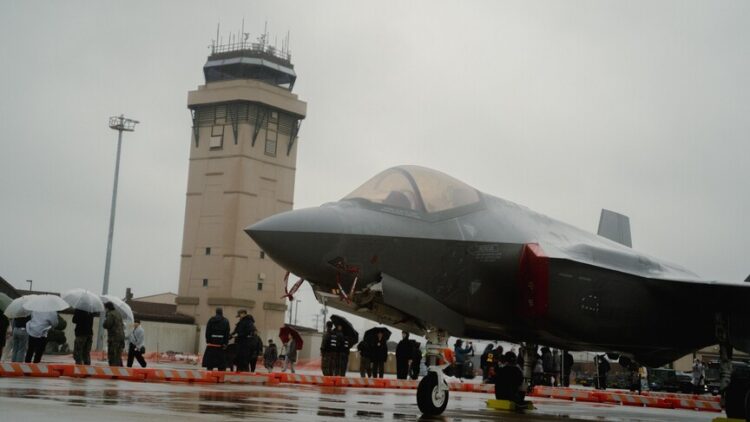
Nearly 900 South Korean Air Force pilots have left for better-paying civilian jobs in last decade: R...
Comprehensive Summarization:
The article reports that approximately 896 skilled South Korean Air Force pilots have voluntarily left the military for better-paying positions with civilian airlines over the past decade, as per data cited by media reports. This trend is detailed in a report submitted by the air force to the parliamentary sub-committee on national defense. The term “skilled pilots” refers to those with specific qualifications as outlined by the air force. The article provides context on the voluntary discharge process and the implications for both the air force and the civilian aviation sector.
Key Points:
Actionable Takeaways:
Impact on Air Force Recruitment and Retention Strategies: The significant voluntary discharge of skilled pilots suggests a need for the South Korean Air Force to reassess its recruitment and retention strategies. This could involve enhancing career development opportunities within the military or offering more competitive incentives for staying. Understanding this trend is crucial for maintaining a skilled workforce and ensuring the air force remains a viable career path for qualified individuals.
Opportunities for Civilian Airlines: The migration of skilled pilots to civilian airlines presents an opportunity for these airlines to attract highly qualified talent. Airlines can leverage this trend by offering competitive compensation packages, career advancement paths, and professional development programs to retain these pilots. This could lead to improved service quality and operational efficiency as airlines benefit from the expertise of these pilots.
Contextual Insights:
The trend of skilled pilots leaving the military for civilian airline jobs reflects broader shifts in the aviation industry, where there is increasing demand for experienced pilots in commercial aviation. This development is particularly relevant in the context of the global aviation sector’s recovery post-pandemic, where airlines are seeking to expand their fleets and improve service offerings. The insights from this article align with current industry trends emphasizing the importance of skilled labor in maintaining competitive advantage. Furthermore, the article highlights the potential for innovation in pilot training and career pathways, as civilian airlines may need to adapt their recruitment strategies to attract and retain top talent from military ranks. This could spur advancements in pilot education and certification processes, benefiting both the military and civilian sectors.
Read the Complete Article.
Comprehensive Summarization: Asiana Airlines shareholders approved the merger with Korean Air on Wednesday, marking a significant step towards the official...
Read moreDetails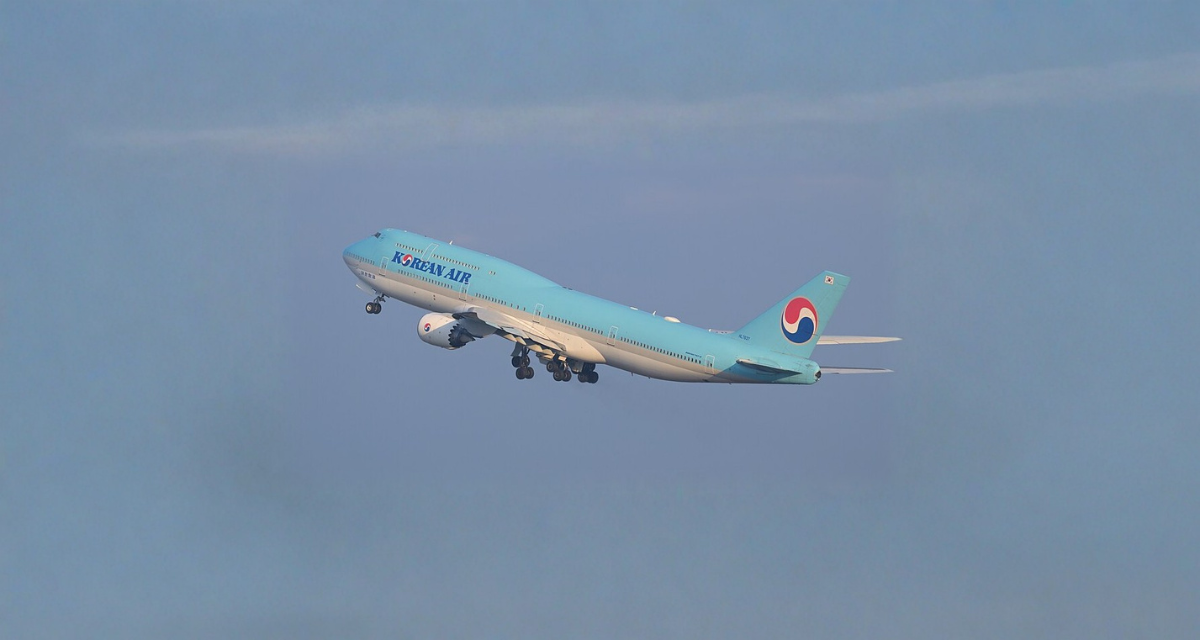
Experience the magic of the Nile aboard Kenzy Dahabeya, a luxury boutique sailing cruise that offers an unforgettable journey between...
Read moreDetails