












Comprehensive Summarization:
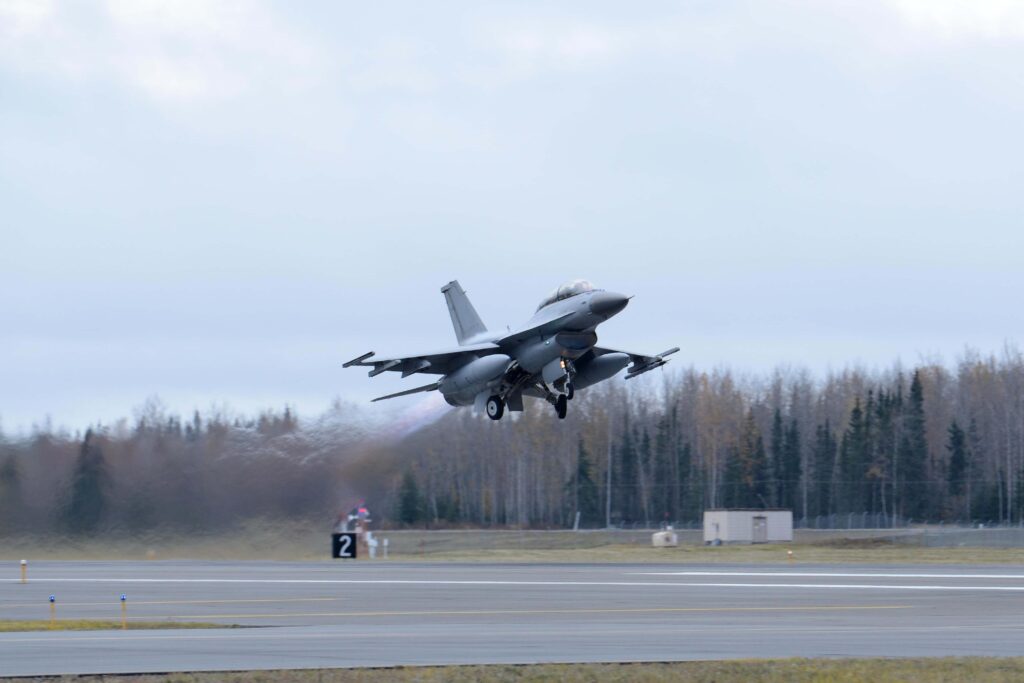
On February 25, 2026, a Republic of Korea Air Force (ROKAF) F-16C fighter jet crashed during a nighttime training flight near Yeongju, North Gyeongsang Province. The pilot successfully ejected and was later rescued. The aircraft, assigned to Chungju Air Base, went down at approximately 19:31 local time. The incident, as reported by ROKAF, highlights the risks associated with nighttime flight training and the advanced safety features of the F-16C, which enabled the pilot’s safe ejection.
Key Points:
- An F-16C fighter jet from the Republic of Korea Air Force crashed during a nighttime training flight on February 25, 2026.
- The pilot ejected safely and was subsequently rescued, demonstrating the effectiveness of the aircraft’s ejection system.
- The crash occurred near Yeongju, North Gyeongsang Province, during night flight training near Chungju Air Base.
- The ROKAF confirmed the incident, providing details about the aircraft’s assignment and the time of the crash.
Actionable Takeaways:
-
Enhanced Night Flight Training Protocols: The incident underscores the importance of refining night flight training protocols for fighter jets. Implementing more rigorous training simulations and safety briefings could help mitigate risks associated with nighttime operations.
-
Advanced Ejection Systems: The successful pilot ejection highlights the critical role of advanced ejection systems in fighter aircraft. Continued investment in and testing of ejection technologies can enhance pilot survival rates in emergency situations, making it a priority for aircraft manufacturers and military aviation departments.
-
Focus on Pilot Rescue Operations: The swift rescue of the pilot following the crash emphasizes the importance of efficient rescue operations in military aviation. Developing and maintaining robust rescue protocols and resources can significantly improve outcomes in similar incidents, ensuring the safety of personnel during training exercises.
Contextual Insights:
The crash of the ROKAF F-16C fighter jet during a nighttime training flight underscores several critical aspects of modern military aviation. Firstly, it highlights the ongoing challenges and risks inherent in night flight operations, which require meticulous planning and execution. The successful ejection of the pilot, a testament to the aircraft’s advanced safety features, demonstrates the importance of continuous innovation in aircraft design and technology. This incident also serves as a reminder of the necessity for robust rescue operations, ensuring that personnel are not only equipped with state-of-the-art aircraft but also supported by efficient emergency response systems. As the travel industry continues to evolve, with an increasing focus on safety and technological advancements, insights from such incidents can guide the development of more resilient and secure aviation practices.
Read the Complete Article.


