












Comprehensive Summarization:
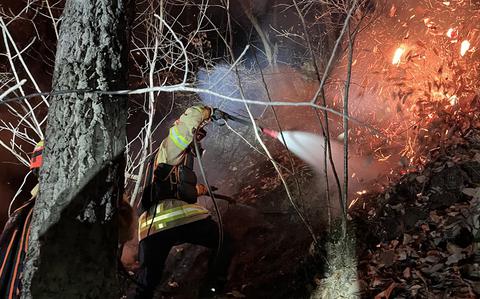
The article reports on a South Korean F-16C fighter jet crash during nighttime aerial training in Yeongju, North Gyeongsang province. The incident occurred on February 25, 2026, and was handled by the Gyeongbuk Fire Service Headquarters. The crash is part of ongoing training exercises, highlighting the risks associated with such operations. The article does not delve into the cause of the crash or its implications for aviation safety, focusing instead on the factual account of the event.
Key Points:
- A South Korean F-16C fighter jet crashed during nighttime aerial training in Yeongju, North Gyeongsang province.
- The crash took place on February 25, 2026, and was managed by the Gyeongbuk Fire Service Headquarters.
- The incident occurred during routine training exercises, underscoring the inherent risks in such operations.
Actionable Takeaways:
-
Enhanced Safety Protocols for Training Exercises: Given the risks associated with nighttime aerial training, aviation authorities and training organizations should review and potentially enhance safety protocols to mitigate the likelihood of such incidents. This could involve stricter pre-flight checks, improved communication systems, and more robust emergency response plans.
-
Focus on Aviation Safety Innovations: The incident highlights the need for continuous innovation in aviation safety technologies. Startups and established companies in the aerospace sector should invest in developing advanced safety systems, such as improved navigation aids, real-time monitoring technologies, and enhanced emergency response capabilities to ensure the safety of both pilots and ground crews.
Contextual Insights:
The crash underscores the ongoing challenges in aviation safety, particularly in training scenarios where risks are inherently higher. It reflects broader industry trends towards greater emphasis on safety and reliability, driven by technological advancements and regulatory pressures. The incident also serves as a reminder of the importance of rigorous training and preparation, as well as the need for robust emergency response systems. From a travel industry perspective, ensuring the safety and reliability of aviation operations is crucial for maintaining public trust and confidence in air travel. This incident may prompt a reevaluation of safety standards and practices across the industry, potentially influencing future travel trends and consumer perceptions of air travel safety.
Read the Complete Article.


