












Comprehensive Summarization:
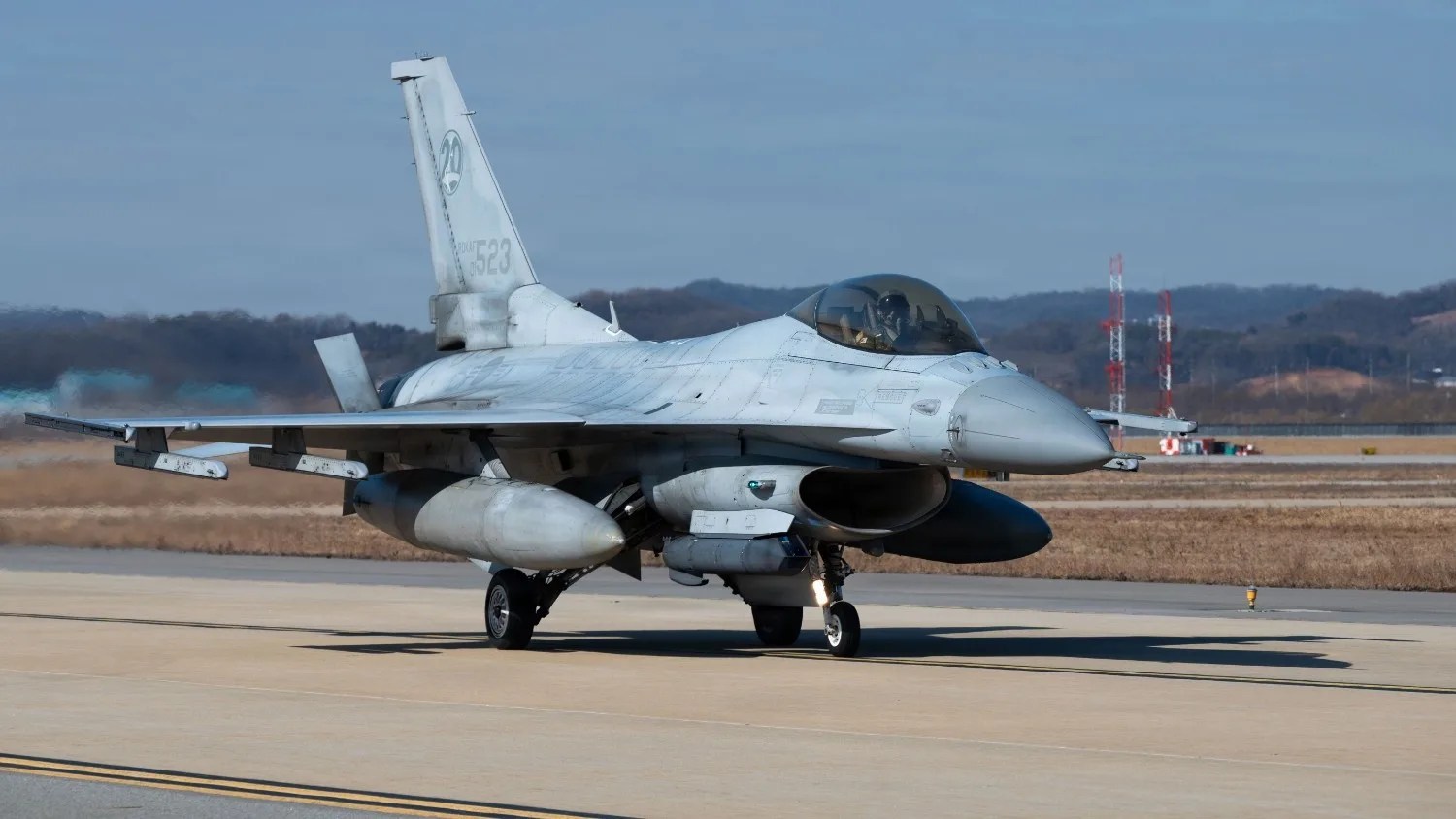
The article reports on a significant bilateral training exercise between the United States Air Force (USAF) and the Republic of Korea Air Force (ROKAF) at Osan Air Base, part of the “Buddy Squadron 26-2” program. Conducted from February 9 to 13, the exercise focused on air defense missions, with a particular emphasis on Defensive Counter Air (DCA) tactics. The training involved F-16 fighter jets from both nations, highlighting a collaborative effort in modernizing their fighter capabilities. The exercise did not go unnoticed by China, indicating heightened attention to the region’s military developments.
Key Points:
- The USAF and ROKAF conducted a joint training exercise at Osan Air Base, focusing on air defense missions and DCA tactics.
- The training involved F-16 fighter jets from both the USA and South Korea, aimed at enhancing their air defense capabilities.
- The exercise, named “Buddy Squadron 26-2,” took place from February 9 to 13, signaling ongoing military cooperation between the two nations.
- China’s observation of the exercise suggests heightened interest in the military developments in the region.
Actionable Takeaways:
-
Enhanced Air Defense Capabilities: The joint training between the USAF and ROKAF underscores the importance of collaborative efforts in modernizing air defense capabilities. This could lead to advancements in defense technology and strategies, potentially impacting global defense markets and partnerships.
-
Regional Military Dynamics: The observation by China indicates a shift in regional military dynamics. This could influence geopolitical strategies and alliances, prompting other nations to reassess their defense capabilities and partnerships in the Asia-Pacific region.
Contextual Insights:
The joint training exercise between the USAF and ROKAF is a testament to the ongoing emphasis on air defense capabilities in a region where military tensions are palpable. This aligns with the broader trend of nations investing in advanced fighter jets and collaborative training programs to enhance their defense capabilities. The fact that China is observing these exercises highlights the strategic importance of the region and the potential for increased military competition. For travel and tech startups, this context suggests a growing market for defense-related technologies, cybersecurity solutions, and regional security partnerships. Innovations in fintech could also play a role in facilitating international defense collaborations, providing secure and efficient financial solutions for military procurement and joint training programs.
Read the Complete Article.


