












Comprehensive Summarization:
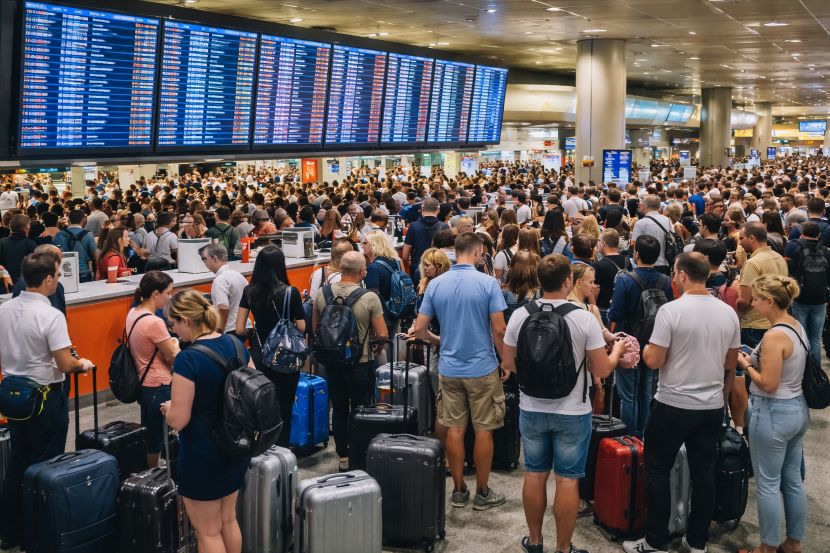
The article reports on significant travel disruptions in Moscow, with 175 flight delays and 37 cancellations affecting major airlines including Aeroflot, Emirates, and Qatar Airways. The disruptions impacted flights to and from Moscow, Dubai, London, and other destinations, causing inconvenience for hundreds of travelers. The disruptions were primarily affecting international airports such as Vnukovo, Domodedovo, and Sheremetyevo, leading to stranded passengers and necessitating changes in travel plans. The article underscores the challenges faced by travelers and the operational pressures on airlines during such disruptions.
Key Points:
- Flight Disruptions in Moscow: The article highlights a significant disruption in Moscow’s air travel, with 175 flight delays and 37 cancellations affecting major airlines.
- Affected Airports: The disruptions impacted international airports in Moscow, including Vnukovo, Domodedovo, and Sheremetyevo.
- Impact on Travelers: Hundreds of travelers were affected, leading to stranded passengers and necessitating changes in their travel plans.
- Airlines Involved: The disruptions affected major airlines such as Aeroflot, Emirates, and Qatar Airways, indicating a widespread issue across the industry.
Actionable Takeaways:
- Enhanced Communication Protocols: Airlines should improve communication protocols to promptly inform passengers of delays and cancellations. This can help manage traveler expectations and reduce the stress associated with travel disruptions.
- Flexible Rescheduling Policies: Implementing more flexible rescheduling policies can mitigate the inconvenience caused by flight disruptions. This could include offering free rescheduling or compensation for inconvenienced travelers.
- Investment in Technology: Airlines should invest in advanced flight tracking and management technologies to better predict and manage disruptions. Real-time data analytics can help airlines proactively address potential issues before they impact travelers.
Contextual Insights:
The disruptions in Moscow highlight the vulnerabilities in the global air travel system, particularly in managing large-scale operational issues. The article reflects broader trends in the travel industry, where external factors such as weather, air traffic control issues, and airline operational inefficiencies can lead to significant disruptions. The focus on enhancing communication and leveraging technology aligns with current industry trends towards digital transformation and customer-centric solutions. As the travel industry continues to evolve, the ability to swiftly adapt to and recover from disruptions will be crucial for maintaining passenger trust and operational efficiency.
Read the Complete Article.



