












Comprehensive Summarization:
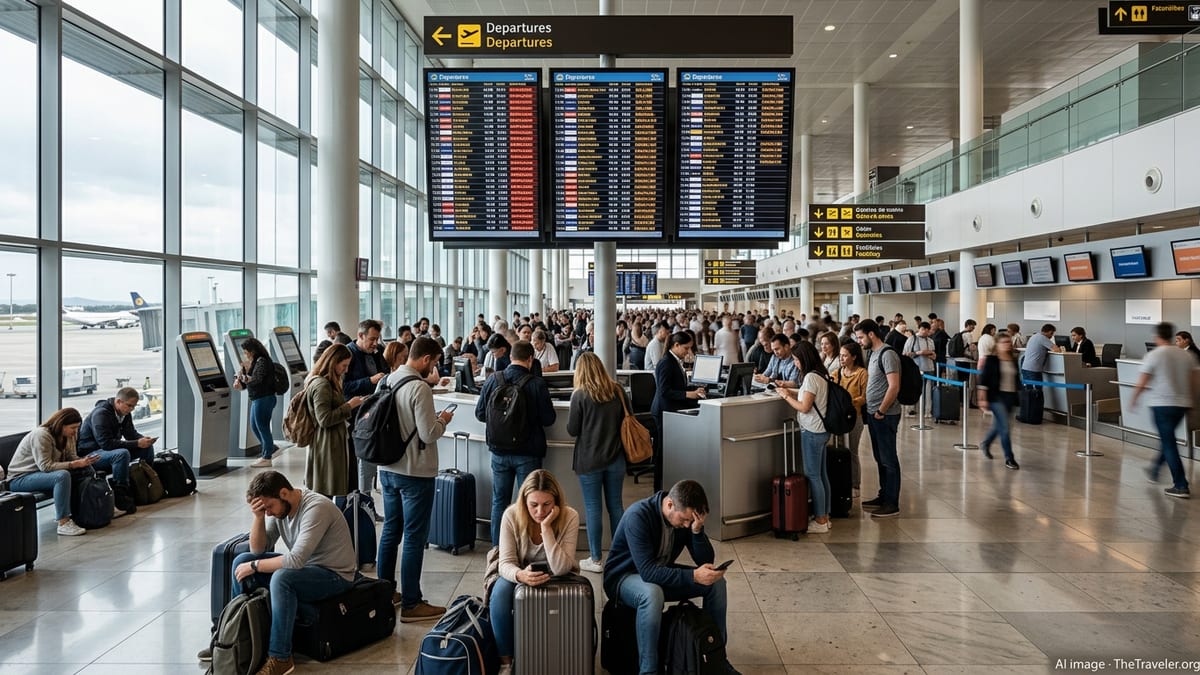
The article reports a significant disruption in air travel at Spain’s two busiest airports, Madrid Barajas and Barcelona El Prat. On a single day, these airports experienced 209 flight delays and 36 cancellations, affecting hundreds of passengers. Major carriers such as Lufthansa, Qatar Airways, Iberia, and Ryanair were among those impacted. The disruption highlights ongoing challenges in the travel industry, particularly in managing air traffic and ensuring operational efficiency during peak periods.
Key Points:
- Madrid Barajas and Barcelona El Prat airports faced a wave of air travel disruptions on the same day, with 209 delays and 36 cancellations.
- Major airlines including Lufthansa, Qatar Airways, Iberia, and Ryanair were affected by the disruptions.
- The disruptions highlight operational challenges in managing air traffic, especially during peak travel times.
Actionable Takeaways:
-
Enhanced Air Traffic Management Systems: The disruptions underscore the need for airlines and airports to invest in advanced air traffic management systems. Implementing technologies such as real-time flight tracking and predictive analytics can help mitigate delays and cancellations, improving overall operational efficiency.
-
Focus on Passenger Communication: Effective communication with passengers during disruptions is crucial. Airlines should leverage digital platforms to provide real-time updates and alternative travel options, enhancing customer satisfaction and loyalty.
-
Strategic Partnerships for Resilience: Collaborations between airlines, airports, and technology providers can foster resilience against disruptions. Joint initiatives in developing contingency plans and shared resources can help the industry respond more swiftly to unforeseen challenges.
Contextual Insights:
The article reflects current challenges in the travel industry, particularly in managing air travel during peak periods. The disruptions at Madrid Barajas and Barcelona El Prat highlight the vulnerabilities in air traffic management and the need for technological advancements to ensure smooth operations. As the travel industry continues to recover from the impacts of the pandemic, innovations in travel tech and strategic partnerships will be key to enhancing resilience and improving passenger experiences. Thought leaders emphasize the importance of leveraging data analytics and AI to anticipate and mitigate disruptions, ensuring the industry remains competitive and customer-focused.
Read the Complete Article.



