












Comprehensive Summarization:
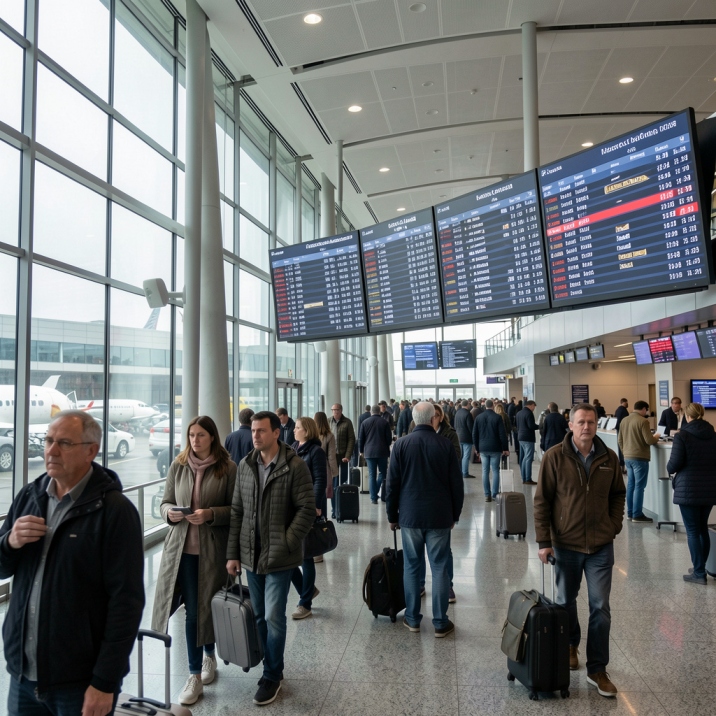
The article reports on significant disruptions in global aviation caused by the ongoing conflict in the Middle East, leading to thousands of passengers being stranded across major airports in Australia and New Zealand. Specifically, there were 587 flight delays and 65 cancellations across Sydney, Melbourne, Brisbane, Auckland, and Christchurch, affecting major carriers such as Emirates, Qatar Airways, Jetstar, and Air New Zealand. The article highlights the impact of geopolitical tensions on the travel industry, emphasizing the challenges faced by airlines and passengers in maintaining operational continuity during times of conflict.
Key Points:
- The conflict in the Middle East has triggered widespread flight disruptions, with thousands of passengers stranded in major Australian and New Zealand airports.
- Specific airlines affected include Emirates, Qatar Airways, Jetstar, and Air New Zealand, with 587 flight delays and 65 cancellations reported.
- The disruption underscores the vulnerability of the travel industry to geopolitical events, highlighting the need for contingency planning and resilience strategies.
Actionable Takeaways:
-
Implement Flexible Cancellation Policies: Airlines should consider offering more flexible cancellation policies to mitigate the impact of sudden disruptions caused by geopolitical events. This can help retain customer trust and reduce financial losses during unforeseen circumstances.
-
Enhance Communication Protocols: Airlines and airports should improve communication with passengers regarding flight status updates. Real-time updates via mobile apps and email can help manage passenger expectations and reduce anxiety during disruptions.
-
Invest in Resilient IT Systems: The travel industry should invest in robust IT systems capable of handling increased demand and potential system failures during crises. This includes backup power solutions, cloud-based infrastructure, and real-time data analytics to monitor and respond to disruptions promptly.
Contextual Insights:
The article reflects the current state of the travel industry, where geopolitical tensions can have immediate and severe impacts on aviation operations. Recent trends indicate a growing reliance on technology to manage disruptions, with airlines increasingly adopting AI and machine learning for predictive analytics to anticipate and mitigate potential issues. Furthermore, the emphasis on flexible policies and enhanced communication aligns with broader industry trends towards customer-centricity and operational resilience. As the travel sector continues to evolve, thought leaders emphasize the importance of integrating sustainability and digital innovation to build more resilient and responsive systems. This article serves as a timely reminder of the need for the industry to adapt swiftly to external shocks while prioritizing passenger safety and satisfaction.
Read the Complete Article.



