












Comprehensive Summarization:
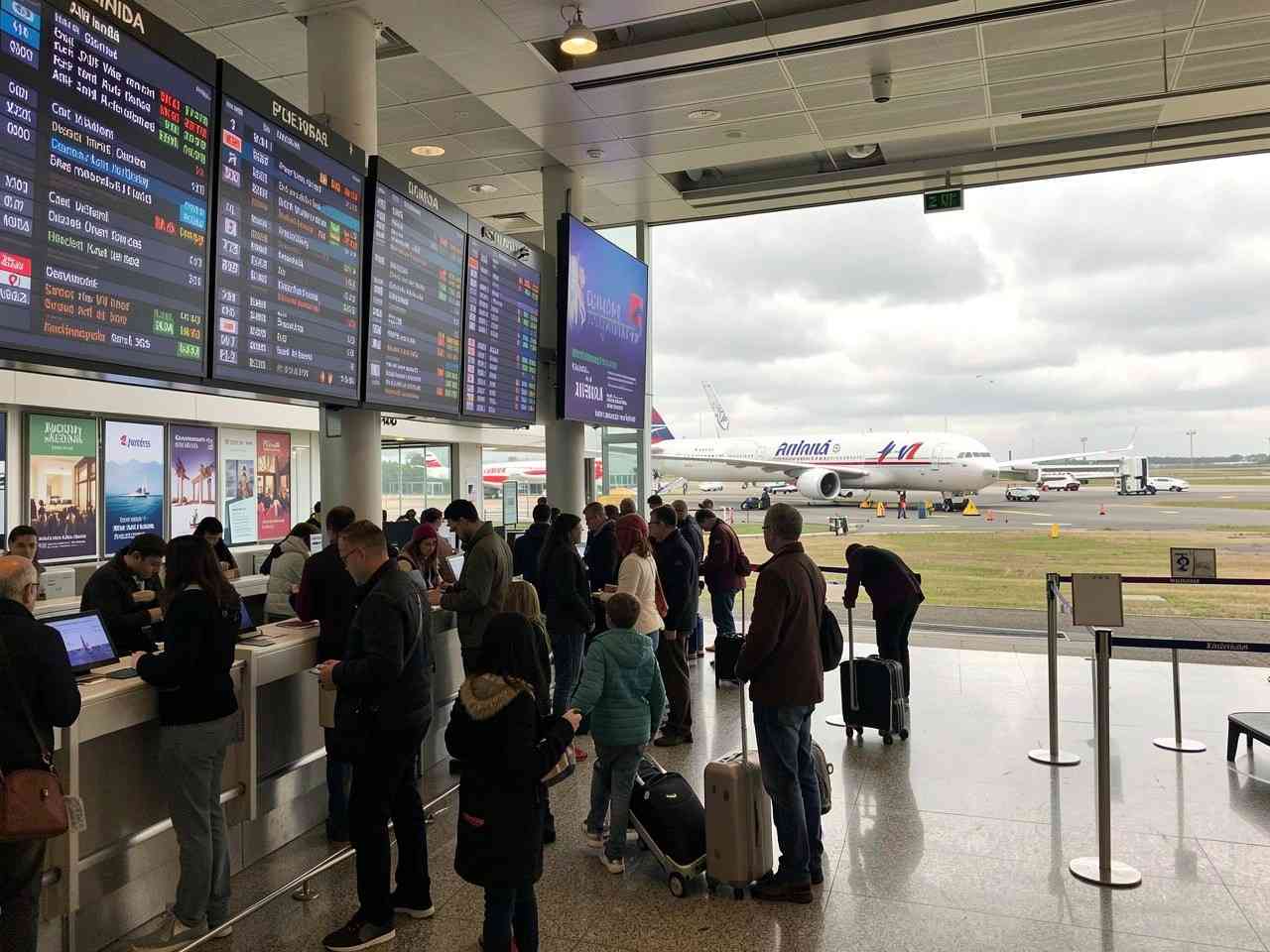
Air India, Emirates, Qatar Airways, and British Airways have resumed long-haul flights to Europe and North America following disruptions caused by the closure of West Asian airspaces due to escalating geopolitical tensions. This development marks a significant shift in global travel patterns, impacting both airlines and hotel giants as they navigate through the geopolitical crisis. The article highlights the challenges faced by the travel industry in the wake of these disruptions and the broader implications for the travel and tourism sector.
Key Points:
- Resumption of long-haul flights by major airlines (Air India, Emirates, Qatar Airways, and British Airways) to Europe and North America.
- Disruptions caused by the closure of West Asian airspaces due to escalating geopolitical tensions.
- Impact on the travel industry, including airlines and hotel giants, as they adapt to the new travel landscape.
- The article serves as a snapshot of the current state of the travel industry amidst geopolitical challenges.
Actionable Takeaways:
-
Reassessment of Travel Itineraries: Airlines and travel agencies should reassess and adjust their travel itineraries to account for potential future disruptions due to geopolitical tensions. This includes diversifying routes and destinations to mitigate risks associated with airspace closures.
-
Investment in Resilient Travel Tech: The travel industry should invest in resilient travel technology solutions that can quickly adapt to changing geopolitical landscapes. This includes implementing real-time flight tracking, flexible booking policies, and enhanced customer communication tools to manage expectations and minimize disruptions.
-
Focus on Sustainable Travel Practices: With the travel industry facing uncertainties, there is an opportunity to promote sustainable travel practices. This includes encouraging eco-friendly travel options, promoting local tourism, and adopting carbon offset programs to align with global sustainability goals.
Contextual Insights:
The resumption of flights by major airlines amidst geopolitical tensions underscores the volatility and unpredictability of the global travel industry. The closure of West Asian airspaces, driven by escalating tensions, has forced airlines to reevaluate their operations and prioritize safety and compliance. This situation highlights the need for the travel industry to be agile and responsive to geopolitical developments.
In the context of current travel trends, the emphasis on safety, flexibility, and sustainability is more critical than ever. Travelers are increasingly seeking reliable and secure travel options, while airlines and hotels are focusing on enhancing their digital capabilities to provide seamless experiences. The article also reflects broader industry trends, such as the growing importance of technology in travel, the rise of sustainable practices, and the need for robust risk management strategies.
Handling Different Article Types:
The article in question is a news blurb, providing factual information about recent developments in the travel industry. It does not present an opinion piece or a feature article. Therefore, the analysis and insights provided are strictly based on the factual content presented, ensuring accuracy and relevance to the professional audience of travel industry stakeholders.
Read the Complete Article.



