












Comprehensive Summarization:
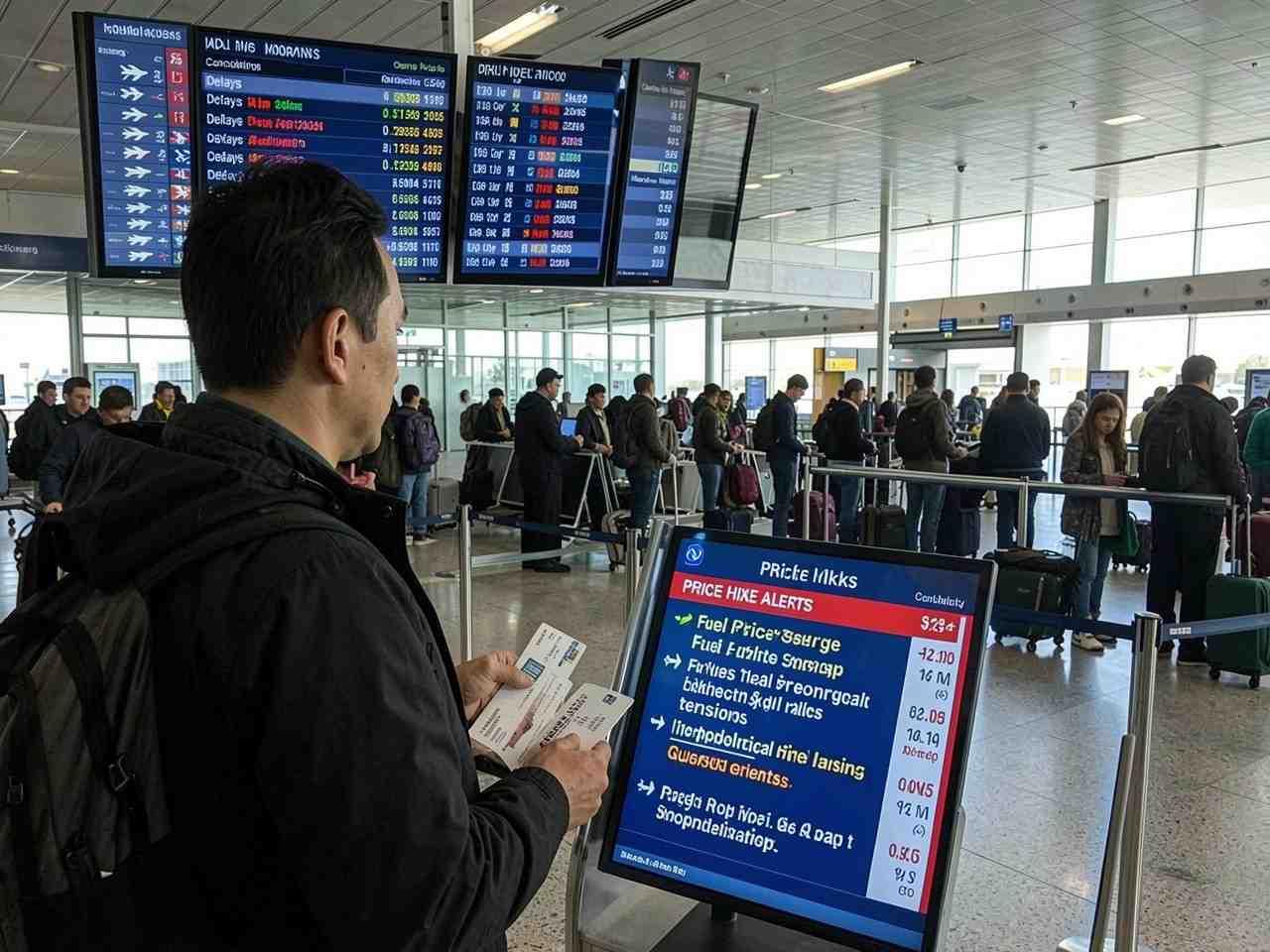
The article discusses the significant impact of escalating geopolitical tensions in the Middle East on the global aviation industry, particularly focusing on major airlines such as Air New Zealand, Qatar Airways, and Emirates. These airlines are experiencing rising fuel prices and flight disruptions, which are causing airfares to soar to unprecedented levels. The article highlights the ripple effect of these tensions on the industry, emphasizing the challenges faced by airlines in maintaining operational stability and profitability amidst these external pressures.
Key Points:
- Escalating Geopolitical Tensions: The Middle East is witnessing heightened geopolitical tensions, which are having a profound impact on the aviation sector.
- Rising Fuel Prices: Airlines are grappling with increased fuel costs, which are a major contributing factor to the surge in airfares.
- Flight Disruptions: The tensions are leading to flight disruptions, further exacerbating the challenges faced by airlines in maintaining regular operations.
- Airfare Surge: As a direct result of the above factors, airfares are experiencing a significant increase, reaching new heights in the industry.
- Impact on Major Airlines: Airlines like Air New Zealand, Qatar Airways, and Emirates are among those most affected by these developments, facing operational and financial challenges.
Actionable Takeaways:
- Operational Cost Management: Airlines must focus on optimizing operational costs to mitigate the impact of rising fuel prices. This could involve negotiating better fuel contracts, improving fuel efficiency through advanced aircraft technology, or exploring alternative fuel sources.
- Flexible Scheduling and Pricing Strategies: To manage the surge in airfares, airlines should consider implementing flexible scheduling and dynamic pricing strategies. This can help in managing demand fluctuations and maintaining profitability amidst volatile market conditions.
- Investment in Technology and Innovation: Airlines should invest in technology and innovation to enhance operational efficiency and customer experience. This includes adopting advanced flight management systems, improving baggage handling processes, and leveraging digital platforms for better customer engagement and service delivery.
- Strengthening Partnerships and Collaborations: Collaborating with other airlines, airports, and industry stakeholders can help airlines navigate the challenges posed by geopolitical tensions. Joint initiatives, shared resources, and coordinated responses can enhance resilience and stability in the face of external pressures.
Contextual Insights:
The article reflects the current state of the travel industry, where geopolitical tensions are a significant disruptor. The focus on rising fuel prices and flight disruptions underscores the vulnerability of airlines to external geopolitical factors. This context is crucial for understanding the broader implications for the travel sector, including the potential impact on travel startups and fintech innovations aimed at enhancing operational efficiency and customer experience. The surge in airfares also highlights the need for airlines to adopt agile business models that can adapt to changing market conditions, ensuring long-term sustainability and growth in a competitive industry.
Read the Complete Article.



