












Comprehensive Summarization:
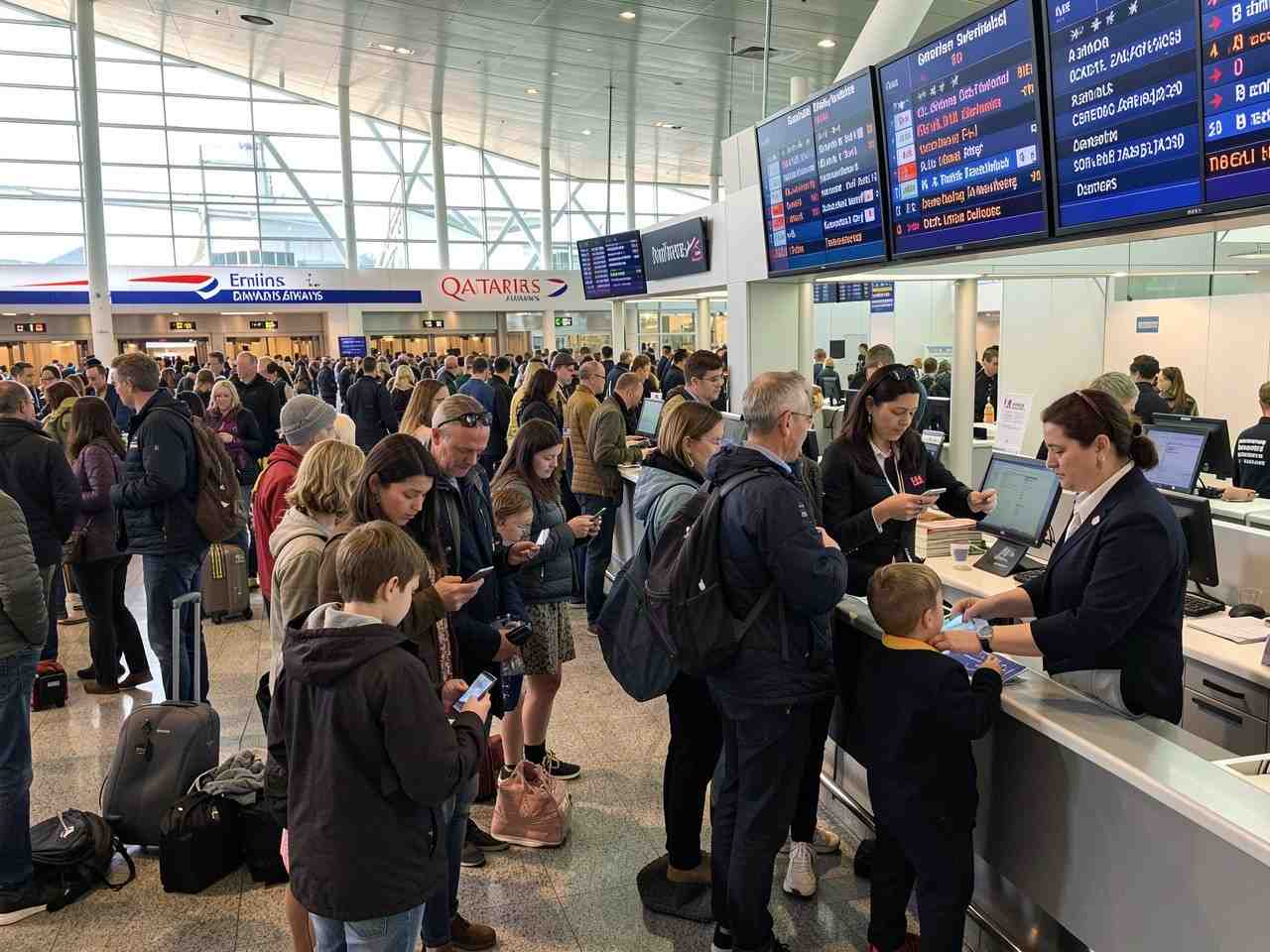
British Airways, Qatar Airways, Emirates, and Etihad have collaborated to facilitate the evacuation of thousands of stranded British nationals from Oman. This joint effort comes amid escalating geopolitical tensions in the Middle East, which have caused significant disruptions to travel and repatriation efforts. The article, published on March 9, 2026, highlights the monumental nature of this cooperation, emphasizing the challenges faced by travelers and the urgency of the situation. The initiative underscores the critical role of international cooperation in managing crises within the travel industry, particularly in regions affected by geopolitical instability.
Key Points:
- Collaborative Effort: British Airways, Qatar Airways, Emirates, and Etihad have joined forces to repatriate British nationals stranded in Oman due to geopolitical tensions.
- Geopolitical Context: The evacuation is prompted by escalating geopolitical tensions in the Middle East, which have disrupted travel and repatriation efforts.
- Publication Date: The article was published on March 9, 2026, indicating recent developments in the travel industry.
- Industry Impact: The joint effort highlights the importance of cooperation among major airlines in managing crises within the travel sector.
Actionable Takeaways:
-
Enhanced International Cooperation: The collaboration between British Airways, Qatar Airways, Emirates, and Etihad serves as a model for how airlines can work together to address crises in the travel industry. This cooperation can set a precedent for future joint efforts in managing disruptions caused by geopolitical events.
-
Focus on Crisis Management: The article underscores the importance of proactive crisis management in the travel industry. Airlines must develop robust strategies for evacuating stranded passengers, especially in regions with high geopolitical risk. This includes establishing clear communication channels, coordinating with local authorities, and leveraging technology for real-time updates and support.
-
Investment in Travel Tech: The successful evacuation operation highlights the critical role of travel technology in managing emergencies. Airlines should invest in advanced tracking systems, real-time communication tools, and AI-driven solutions to enhance their crisis management capabilities. This investment can lead to improved efficiency and resilience in the face of future disruptions.
Contextual Insights:
The joint evacuation effort by British Airways, Qatar Airways, Emirates, and Etihad is a direct response to the current geopolitical climate in the Middle East. The region has been experiencing heightened tensions, which have had a direct impact on travel and repatriation efforts. This situation is emblematic of the broader challenges faced by the travel industry in managing crises that arise from political instability and conflict.
In recent years, the travel industry has witnessed a surge in the adoption of travel tech solutions aimed at enhancing safety, efficiency, and customer experience. Innovations such as real-time flight tracking, AI-driven customer support, and seamless communication tools have become essential in navigating crises. The current evacuation operation exemplifies how these technological advancements can be leveraged to address urgent situations effectively.
Moreover, the collaboration among major airlines reflects a growing trend of partnerships and alliances within the industry. As geopolitical risks continue to pose challenges, airlines are increasingly recognizing the value of strategic partnerships. These alliances not only facilitate smoother operations during crises but also enhance the overall resilience of the industry.
In conclusion, the article provides valuable insights into the collaborative efforts of major airlines to address a crisis caused by geopolitical tensions. It highlights the importance of international cooperation, proactive crisis management, and investment in travel technology. These takeaways are crucial for professionals in the travel industry, offering actionable recommendations for enhancing preparedness and response strategies in the face of future challenges.
Read the Complete Article.



