












Comprehensive Summarization:
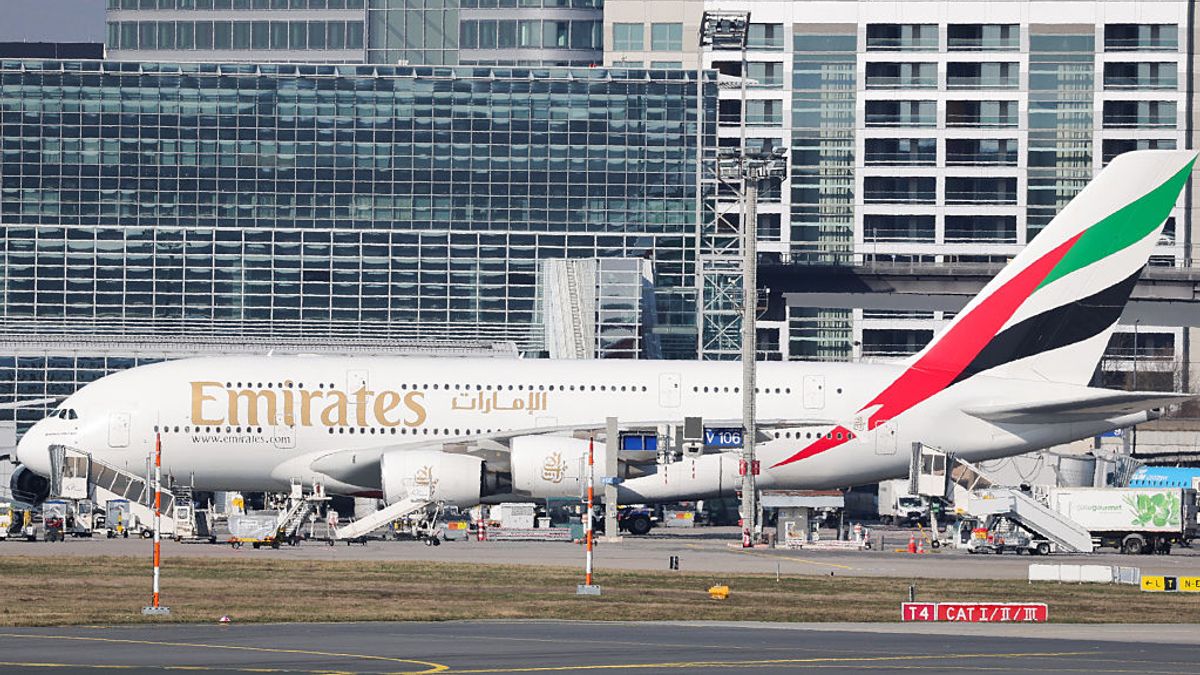
The article reports that major airlines such as Emirates, Etihad, and Qatar Airways have issued updated travel advisories due to the UK government’s advice against all but essential travel to the UAE, in response to ongoing Middle East tensions. This advisory comes as the conflict in Iran escalates, affecting travel safety and logistics in the region. The article also touches on the broader context of travel advisories and the impact of geopolitical tensions on the aviation industry, highlighting the need for airlines to adapt their services and communication strategies to ensure passenger safety and compliance with government guidelines.
Key Points:
- Airlines including Emirates, Etihad, and Qatar Airways have issued fresh travel advisories due to the UK government’s travel advice against non-essential travel to the UAE amid Middle East tensions.
- The conflict in Iran is a key factor influencing these travel advisories, affecting safety and operational considerations for airlines operating in the region.
- The article emphasizes the importance of airlines adapting their travel advice and communication strategies to comply with government guidelines and ensure passenger safety.
Actionable Takeaways:
-
Enhanced Communication Strategies: Airlines should proactively communicate travel advisories and safety measures to passengers through multiple channels, including their websites, mobile apps, and social media platforms. This ensures passengers are well-informed and can make informed decisions about their travel plans, thereby enhancing trust and compliance with safety guidelines.
-
Risk Assessment and Mitigation: Airlines should conduct thorough risk assessments for routes affected by geopolitical tensions. This includes monitoring real-time updates from government advisories and adjusting flight schedules, routes, or operational procedures as necessary to minimize risks to passengers and crew.
-
Collaboration with Government and Regulatory Bodies: Airlines should maintain close collaboration with government agencies and regulatory bodies to stay informed about evolving travel advisories and safety protocols. This partnership can facilitate smoother compliance with travel restrictions and ensure that airlines are equipped to handle any changes in travel advisories promptly.
Contextual Insights:
The article reflects the current state of the travel industry amidst heightened geopolitical tensions, particularly the conflict in Iran. The UK government’s travel advisory against non-essential travel to the UAE underscores the sensitivity of travel safety in the region. This context highlights the importance of airlines not only in adhering to government advisories but also in proactively managing risks associated with travel disruptions. The emphasis on enhanced communication strategies and risk assessment aligns with current industry trends, where transparency and proactive risk management are crucial for maintaining passenger trust and operational resilience. Furthermore, the article’s focus on the role of government and regulatory bodies in shaping travel advisories reflects the interconnected nature of travel safety and policy-making, suggesting that industry stakeholders must remain agile and informed to navigate such challenges effectively.
Read the Complete Article.



