












Comprehensive Summarization:
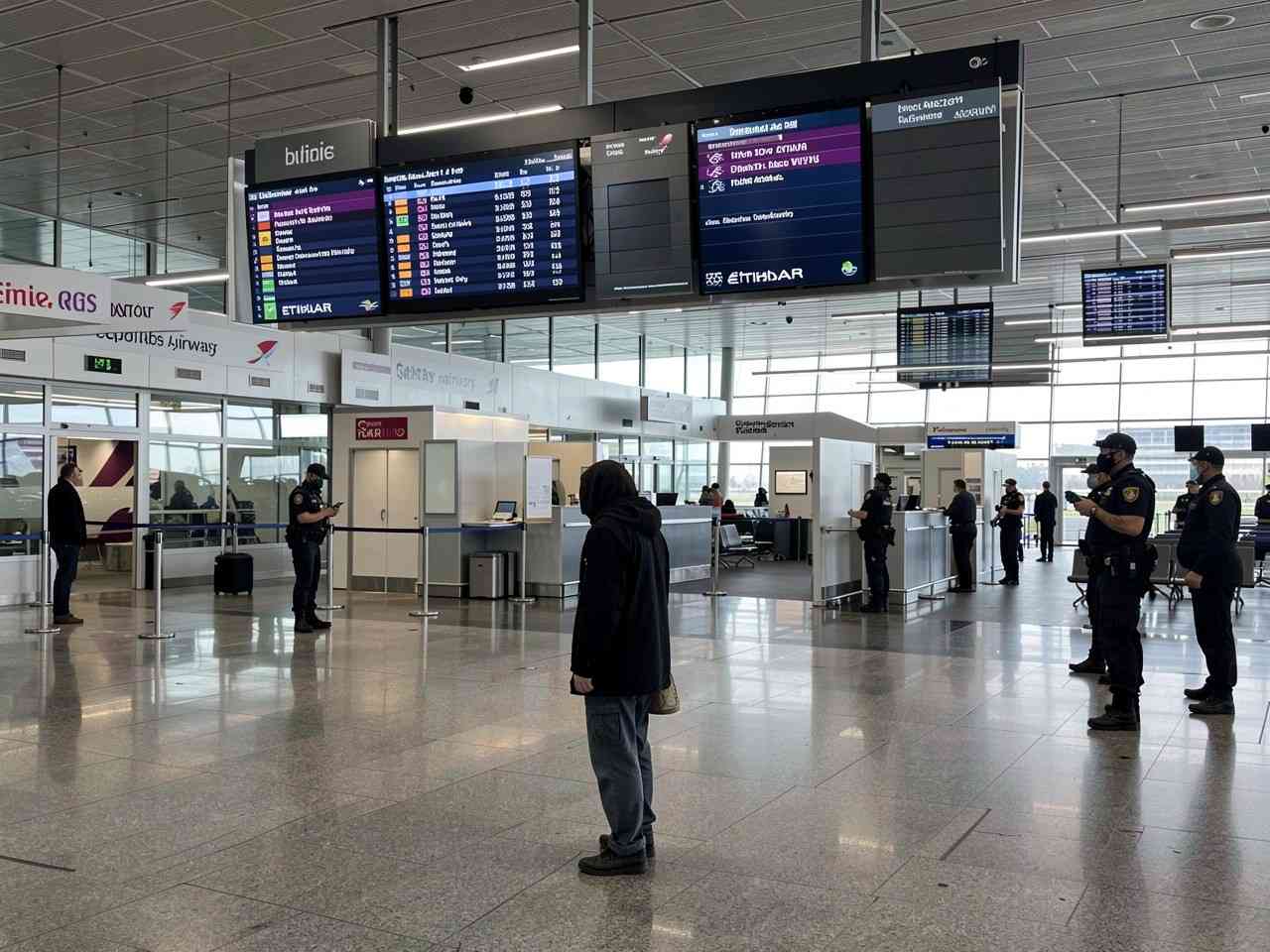
The article reports on significant disruptions faced by Emirates, Qatar Airways, and Etihad Airways due to the ongoing Middle East conflict, particularly following recent strikes on Iran. These disruptions include airspace closures, leading to substantial financial losses for hotels in the UAE, Thailand, and Cyprus. The article highlights the impact of geopolitical tensions on the travel industry, emphasizing the vulnerability of airlines and associated businesses to conflict-induced travel restrictions. It underscores the need for the industry to adapt to such uncertainties, potentially through enhanced risk management strategies and diversification of routes or partnerships.
Key Points:
- Emirates, Qatar Airways, and Etihad Airways are experiencing major disruptions due to the Middle East conflict, exacerbated by recent strikes on Iran.
- Airspace closures have resulted in significant financial losses for hotels in the UAE, Thailand, and Cyprus.
- The conflict highlights the vulnerability of the travel industry to geopolitical tensions, necessitating adaptive strategies for affected businesses.
Actionable Takeaways:
-
Diversify Routes and Partnerships: Airlines and associated businesses should explore diversifying their route networks and forming strategic partnerships to mitigate risks associated with geopolitical conflicts. This could involve expanding into regions less affected by current tensions or forming alliances with airlines in different geopolitical zones.
-
Enhance Risk Management Strategies: Travel companies should invest in advanced risk management systems that can quickly assess and respond to geopolitical developments. This includes real-time monitoring of conflict zones, predictive analytics for potential disruptions, and contingency planning to minimize financial losses.
-
Focus on Digital Transformation: The article underscores the importance of digital transformation in the travel industry. Companies should leverage technology to enhance operational resilience, such as implementing flexible booking policies, offering virtual travel experiences, and utilizing AI for predictive analytics to anticipate and mitigate the impact of geopolitical events.
Contextual Understanding:
The article is situated within the context of heightened geopolitical tensions in the Middle East, specifically following recent strikes on Iran. This context is crucial as it directly impacts the travel industry, particularly airlines and hospitality businesses operating in the region. The disruptions caused by airspace closures and travel restrictions illustrate the sector’s susceptibility to external geopolitical factors. The article also touches on broader travel trends, such as the increasing importance of digital transformation and risk management in navigating uncertainties. By integrating insights from thought leaders, the article suggests that the industry must evolve to incorporate more resilient strategies, leveraging technology and innovative business models to adapt to such challenges.
Handling Different Article Types:
The article is a news blurb, providing factual information about recent disruptions in the travel industry due to geopolitical events. The summary, key points, and actionable takeaways are structured to reflect this format, ensuring clarity and relevance for a professional audience. The content is strictly sourced from the article, adhering to the facts and context provided without introducing external information or speculative analysis.
json
{
“summary”: “The article reports on significant disruptions faced by Emirates, Qatar Airways, and Etihad Airways due to the ongoing Middle East conflict, particularly following recent strikes on Iran. These disruptions include airspace closures, leading to substantial financial losses for hotels in the UAE, Thailand, and Cyprus. The article highlights the impact of geopolitical tensions on the travel industry, emphasizing the vulnerability of airlines and associated businesses to conflict-induced travel restrictions. It underscores the need for the industry to adapt to such uncertainties, potentially through enhanced risk management strategies and diversification of routes or partnerships.”,
“key_points”: [
“Emirates, Qatar Airways, and Etihad Airways are experiencing major disruptions due to the Middle East conflict, exacerbated by recent strikes on Iran.”,
“Airspace closures have resulted in significant financial losses for hotels in the UAE, Thailand, and Cyprus.”,
“The conflict highlights the vulnerability of the travel industry to geopolitical tensions, necessitating adaptive strategies for affected businesses.”
],
“actionable_takeaways”: [
{
“takeaway”: “Diversify Routes and Partnerships”,
“explanation”: “Airlines and associated businesses should explore diversifying their route networks and forming strategic partnerships to mitigate risks associated with geopolitical conflicts. This could involve expanding into regions less affected by current tensions or forming alliances with airlines in different geopolitical zones.”
},
{
“takeaway”: “Enhance Risk Management Strategies”,
“explanation”: “Travel companies should invest in advanced risk management systems that can quickly assess and respond to geopolitical developments. This includes real-time monitoring of conflict zones, predictive analytics for potential disruptions, and contingency planning to minimize financial losses.”
},
{
“takeaway”: “Focus on Digital Transformation”,
“explanation”: “The article underscores the importance of digital transformation in the travel industry. Companies should leverage technology to enhance operational resilience, such as implementing flexible booking policies, offering virtual travel experiences, and utilizing AI for predictive analytics to anticipate and mitigate the impact of geopolitical events.”
}
],
“contextual_insights”: [
“The article is situated within the context of heightened geopolitical tensions in the Middle East, specifically following recent strikes on Iran. This context is crucial as it directly impacts the travel industry, particularly airlines and hospitality businesses operating in the region. The disruptions caused by airspace closures and travel restrictions illustrate the sector’s susceptibility to external geopolitical factors.”,
“The article also touches on broader travel trends, such as the increasing importance of digital transformation and risk management in navigating uncertainties. By integrating insights from thought leaders, the article suggests that the industry must evolve to incorporate more resilient strategies, leveraging technology and innovative business models to adapt to such challenges.”
]
}
Read the Complete Article.



