












Comprehensive Summarization:
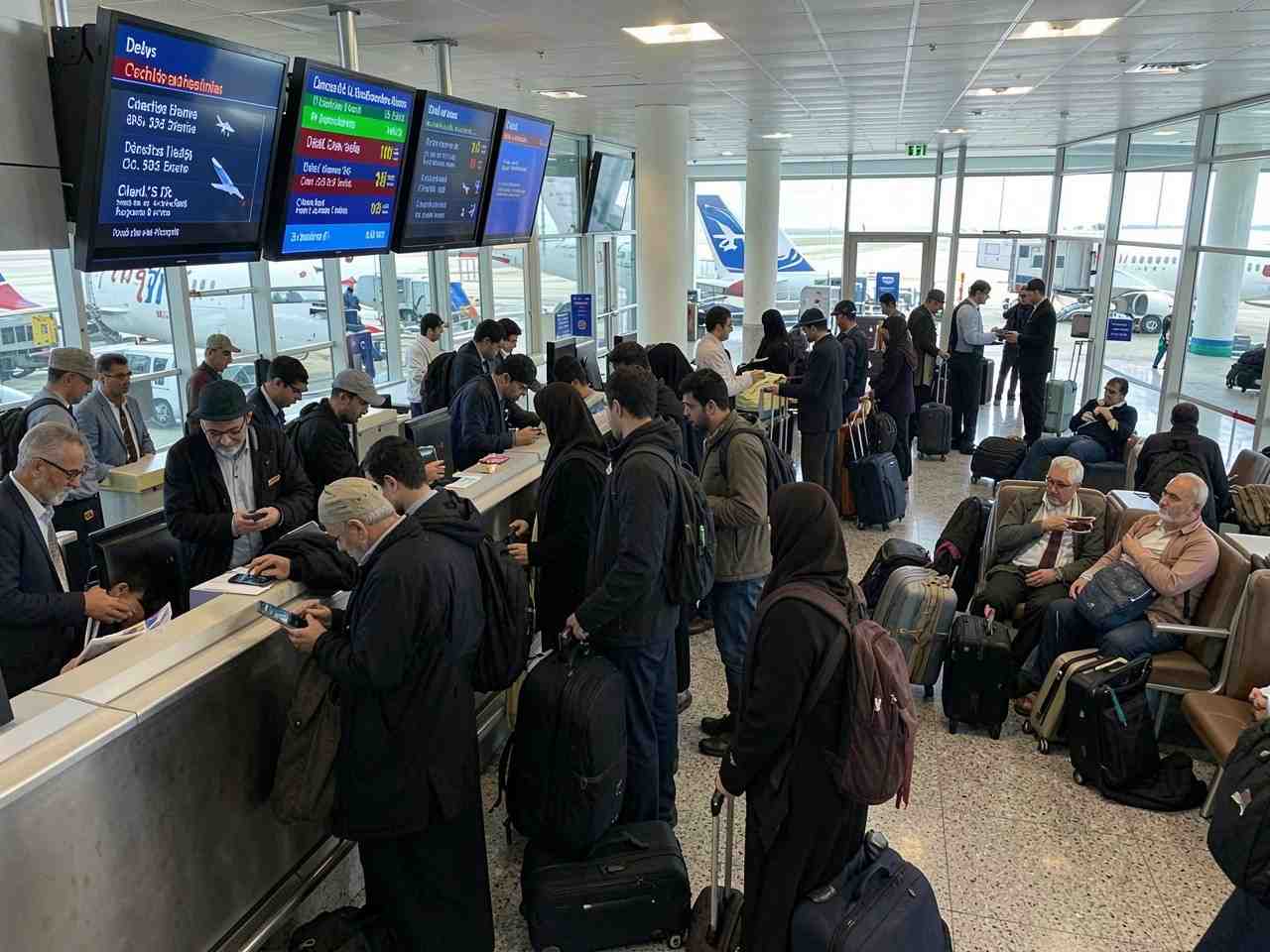
The article reports that major airlines including Emirates, Qatar Airways, Etihad, Lufthansa, British Airways, Air India, and Qantas are raising airfares and rerouting flights in response to the ongoing Iran-US conflict. This move is aimed at mitigating risks associated with the geopolitical tensions that have disrupted international travel. The UAE, Europe, and the global hospitality sectors are bracing for the impact of these changes. The article provides a snapshot of the current challenges faced by the travel industry due to geopolitical events, highlighting the financial and operational adjustments being made by key players in the sector.
Key Points:
- Major airlines are raising airfares and rerouting flights due to the Iran-US conflict.
- The conflict is disrupting international travel, prompting airlines to take financial and operational measures.
- The UAE, Europe, and the global hospitality sectors are preparing for the impact of these changes.
- Emirates, Qatar Airways, Etihad, Lufthansa, British Airways, Air India, and Qantas are among the airlines affected.
Actionable Takeaways:
-
Airfare Adjustments: Airlines are increasing fares to offset the financial risks posed by the conflict. This move is crucial for maintaining profitability in a volatile market. Understanding this trend can help travel agencies and consumers anticipate cost changes and budget accordingly.
-
Flight Rerouting: The rerouting of flights is a strategic response to avoid potential security risks and airspace restrictions. This could lead to longer travel times and changes in travel routes, impacting both airlines’ operational efficiency and travelers’ itineraries. Travel planners should factor in these changes when organizing trips.
-
Sector-wide Impact: The hospitality sector, including hotels and travel agencies, is likely to feel the ripple effects of these airline adjustments. This may result in increased competition among service providers as they vie for the same customer base. Businesses in this sector should consider diversifying their offerings or enhancing customer service to retain market share.
Contextual Insights:
The ongoing Iran-US conflict has introduced significant uncertainty into the global travel landscape. This geopolitical tension is not isolated but part of a broader pattern where international disputes can have far-reaching implications for the travel industry. Historically, similar conflicts have led to travel advisories, airspace restrictions, and economic impacts on airlines and related sectors. The current measures taken by airlines—such as fare adjustments and flight rerouting—reflect a proactive approach to managing these risks.
Looking ahead, the travel industry may see a shift towards more resilient business models that can withstand geopolitical shocks. This could involve greater investment in digital platforms for real-time travel adjustments, enhanced cybersecurity measures to protect against disruptions, and stronger partnerships with governments and regulatory bodies to navigate international travel restrictions. Startups focusing on travel tech, particularly those offering innovative solutions for route optimization, fare management, and customer communication, are likely to gain traction as the industry adapts to these challenges.
In summary, the article underscores the immediate financial and operational adjustments being made by major airlines in response to the Iran-US conflict. These changes have broader implications for the travel industry, affecting everything from consumer travel planning to the strategic direction of travel-related startups. By understanding these developments, industry stakeholders can better navigate the current challenges and position themselves for future growth.
Read the Complete Article.



