













Comprehensive Summarization:
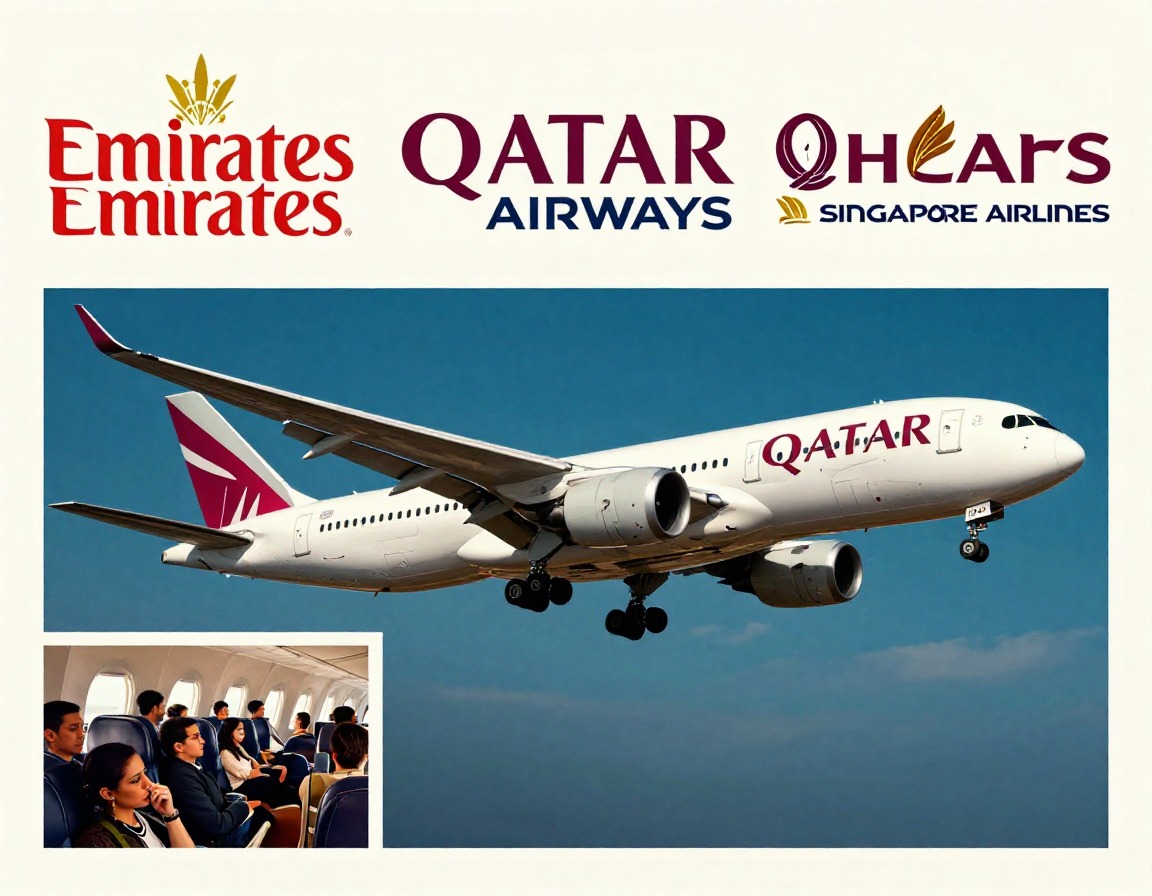
The article highlights the significant impact of China’s resurgence in outbound tourism on the global hospitality and airline industries, particularly focusing on the success of Emirates, Qatar Airways, Singapore Airlines, and United Airlines. As travel restrictions are lifted and the world reopens, these airlines are experiencing a boom in profits, contributing to the growth of hotel profits in France, Spain, and Malaysia. The article underscores the broader trend of increased travel activity post-pandemic, driven by the reopening of borders and the resumption of international travel, which is benefiting key players in the airline and hospitality sectors.
Key Points:
- China’s outbound tourism is experiencing a remarkable resurgence, driving a boom in the global hospitality and airline industries.
- Emirates, Qatar Airways, Singapore Airlines, and United Airlines are among the airlines benefiting from this trend, with increased profits.
- The reopening of borders and the resumption of international travel are key factors contributing to the growth in travel activity post-pandemic.
- The success of these airlines is contributing to increased hotel profits in France, Spain, and Malaysia.
Actionable Takeaways:
-
Investment in Airline Expansion: Airlines such as Emirates, Qatar Airways, Singapore Airlines, and United Airlines should consider expanding their routes and services to capitalize on the increased demand for international travel, particularly from China. This could involve strategic partnerships, fleet expansion, and enhanced customer service offerings to meet the growing needs of travelers.
-
Hotel Sector Growth Opportunities: The rise in hotel profits in France, Spain, and Malaysia presents a significant opportunity for hoteliers and investors in the hospitality sector. There is potential for increased investment in these markets, focusing on sustainable and innovative hospitality solutions to attract more travelers and maintain profitability.
-
Focus on Post-Pandemic Travel Trends: Travel companies should prioritize understanding and adapting to post-pandemic travel trends, such as increased demand for safety measures, flexible booking policies, and personalized travel experiences. Emphasizing digital engagement and seamless travel experiences can help retain and attract customers in a competitive market.
Contextual Insights:
The resurgence of China’s outbound tourism is a critical factor in the current boom across the global hospitality and airline industries. This trend is indicative of the broader recovery in international travel, which has been significantly impacted by the COVID-19 pandemic. The reopening of borders and the lifting of travel restrictions have played a pivotal role in this recovery, as travelers regain confidence and resume their journeys.
From a technological perspective, the article does not explicitly mention innovations or advancements in travel tech, fintech, or related sectors. However, the overall context suggests a period of rapid adaptation and innovation within the industry to meet the changing demands of travelers. For instance, airlines and hotels are likely investing in digital platforms for seamless booking, contactless services, and enhanced customer experiences to capitalize on the growing demand.
The article also reflects the current state of the travel industry, where recovery is uneven across regions and sectors. While airlines and hotels in some markets are experiencing significant growth, others may still be grappling with the challenges posed by the pandemic. This highlights the importance of localized strategies and a deep understanding of regional travel dynamics.
In summary, the article provides a clear picture of the current dynamics in the global travel industry, driven by China’s resurgence in outbound tourism. It underscores the importance of strategic investments, adaptation to post-pandemic trends, and a focus on technological innovation to sustain growth and profitability in the evolving travel landscape.
Read the Complete Article.



