












Comprehensive Summarization:
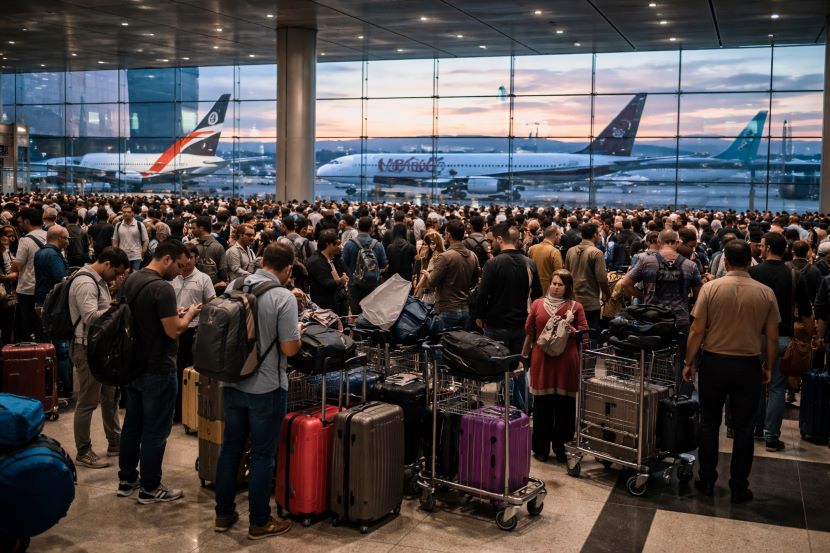
The article reports on a significant disruption in international travel across the Middle East following the suspension of all flights by Emirates and Qatar Airways. This decision has created considerable uncertainty and disruption for passengers, particularly those utilizing Dubai and Doha as major transit hubs. The suspension highlights the vulnerability of global aviation networks to such operational decisions, underscoring the interconnected nature of international travel and the potential ripple effects on the broader travel industry.
Key Points:
- Emirates and Qatar Airways have suspended all flights, impacting major Middle Eastern aviation hubs like Dubai and Doha.
- The suspension has caused significant disruption for passengers and global aviation networks reliant on these routes.
- The article emphasizes the uncertainty and potential ripple effects on the travel industry due to this operational decision.
Actionable Takeaways:
-
Diversification of Travel Routes: Airlines and travel agencies should consider diversifying their route networks to reduce dependency on single hubs. This strategy can mitigate risks associated with operational disruptions in key locations, ensuring smoother travel experiences for passengers.
-
Enhanced Communication with Passengers: Travel companies must improve communication strategies to promptly inform passengers of disruptions and provide alternative travel options. This proactive approach can enhance customer satisfaction and loyalty during turbulent times.
-
Investment in Resilient Infrastructure: The incident underscores the importance of investing in resilient aviation infrastructure. Airlines and airports should explore redundancy measures, such as backup operational hubs and flexible scheduling, to enhance operational continuity in the face of unexpected disruptions.
Contextual Understanding:
The suspension of flights by Emirates and Qatar Airways is a stark reminder of the interconnectedness of the global travel industry. Dubai and Doha, as major transit hubs, play a crucial role in facilitating international travel. The decision to suspend operations not only affects these hubs but also reverberates through the broader aviation network, impacting airlines, airports, and passengers worldwide. This event highlights the need for the industry to enhance its resilience and adaptability to unforeseen disruptions.
In the context of current travel trends, the emphasis on operational resilience and passenger communication is increasingly relevant. As the industry continues to evolve, integrating advanced technologies for real-time communication and flexible routing solutions will be crucial. Thought leaders predict that the travel sector will increasingly rely on data-driven decision-making and innovative technologies to navigate future disruptions effectively.
Handling Different Article Types:
The article in question is a news blurb, providing factual information about a recent operational decision by two major airlines. The summary, key points, and actionable takeaways are structured to reflect the concise nature of such news pieces, ensuring clarity and relevance for a professional audience. The analysis integrates the latest travel trends and insights, focusing on the immediate implications for the industry and potential long-term strategies for resilience.
Read the Complete Article.



