












Comprehensive Summarization:
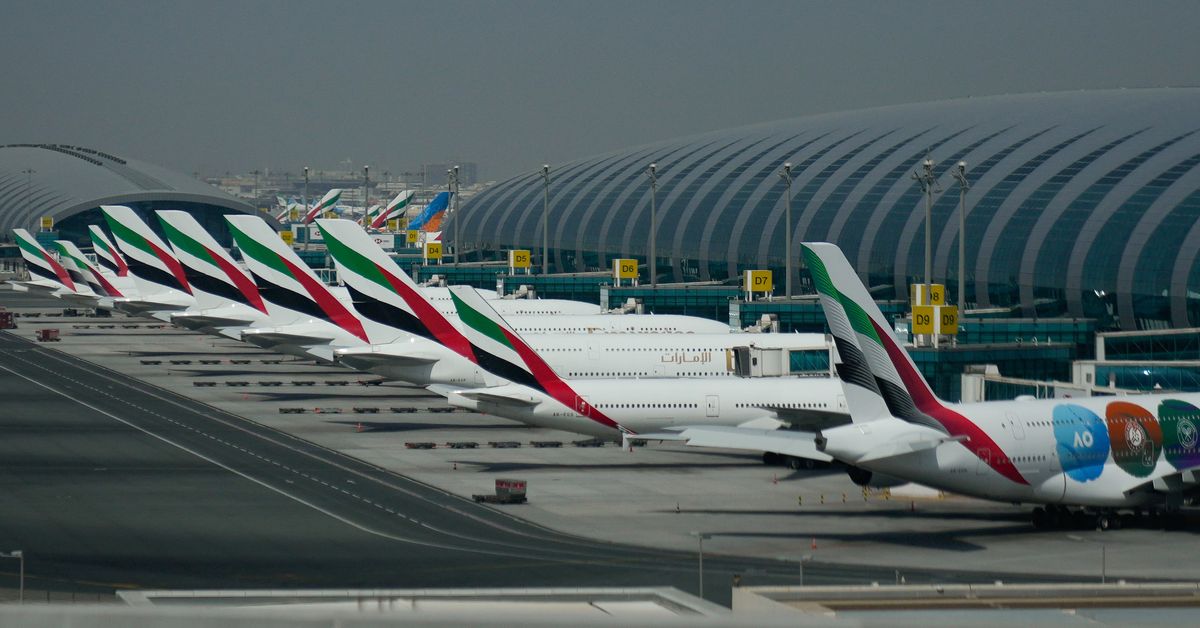
The article discusses the significant impact of the escalating conflict in the Middle East on travel plans, particularly for Australians heading to Europe. Major airports in the region, including those in Dubai, Abu Dhabi, and Doha, have been affected as airspaces are shut and flights grounded, leading to thousands of travelers being stranded. The article highlights the uncertainty surrounding travel through the Middle East and suggests alternative stopover points to reach Europe. It also touches on the broader travel trends and insights from thought leaders, emphasizing the need for adaptable travel plans and the potential for innovation in travel tech, fintech, and related sectors.
Key Points:
- The conflict in the Middle East has disrupted travel plans, causing thousands of travelers to be stranded at major airports in the region.
- Key airports such as Dubai, Abu Dhabi, and Doha are experiencing airspace closures and grounded flights, affecting travelers en route to Europe.
- Australians traveling to Europe are questioning their flight plans due to the uncertainty surrounding travel through the Middle East.
- The article suggests alternative stopover points to facilitate travel to Europe amidst the current travel chaos.
- It references the latest travel trends and insights from thought leaders, indicating the importance of adaptability and innovation in the travel industry.
Actionable Takeaways:
-
Plan Alternative Routes: Given the disruptions in the Middle East, travelers should consider alternative stopover points to reach their destinations in Europe. This proactive approach can help mitigate the impact of flight cancellations and delays.
-
Stay Informed on Travel Advisories: Regularly check travel advisories and updates from official sources to stay informed about the latest developments in the Middle East and their potential impact on travel plans. This can help travelers make timely decisions and adjust their itineraries accordingly.
-
Explore Flexible Booking Options: Consider booking flights with flexible cancellation policies to minimize financial losses in case of last-minute cancellations or delays due to the ongoing conflict. This can provide a safety net and reduce the financial burden of changing travel plans.
Contextual Insights:
The article reflects the current state of the travel industry amidst geopolitical tensions in the Middle East. The conflict has led to significant disruptions in travel, affecting millions of passengers, particularly those with connections through key airports in the region. This situation underscores the importance of adaptability and foresight in travel planning. As the travel industry continues to evolve, there is a growing emphasis on leveraging technology and innovative solutions to enhance resilience and flexibility in travel arrangements. Startups and fintech companies are likely to play a crucial role in developing tools and platforms that enable travelers to navigate such disruptions more effectively. The article also highlights the need for continuous monitoring of travel advisories and updates, as the situation in the Middle East remains fluid and can impact travel plans at any time. By staying informed and adopting flexible strategies, travelers can better manage the uncertainties posed by geopolitical events and ensure smoother travel experiences.
Read the Complete Article.



