












Comprehensive Summarization:
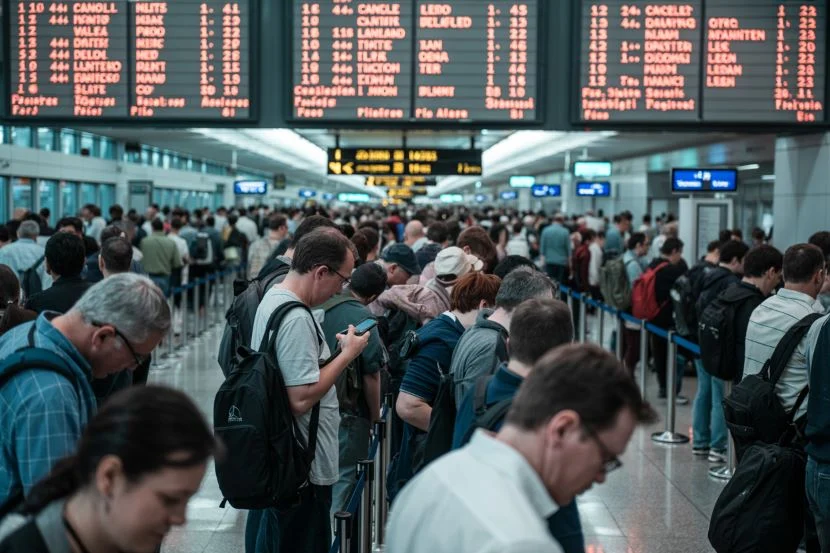
Germany is currently experiencing significant travel disruptions, with 506 flights canceled and 255 delayed across major airports, impacting tens of thousands of passengers. The disruption involves major airlines such as Lufthansa, KLM, easyJet, Qatar Airways, United, and others, affecting routes in Frankfurt, London, Oslo, Barcelona, Doha, Boston, and beyond. This article, published on March 13, 2026, highlights the severe impact on the travel industry in Germany, emphasizing the scale of the cancellations and delays and the widespread effect on travelers.
Key Points:
- Extensive Flight Cancellations and Delays: The article reports 506 flights canceled and 255 delayed across major German airports, affecting a large number of passengers.
- Major Airlines Involved: The disruptions involve prominent airlines including Lufthansa, KLM, easyJet, Qatar Airways, United, and others, indicating a widespread impact across the industry.
- Geographical Impact: The disruptions are affecting routes in several key cities, including Frankfurt, London, Oslo, Barcelona, Doha, and Boston, showcasing the global reach of the issue.
- Publication Date: The article was published on March 13, 2026, providing a recent snapshot of travel conditions in Germany.
Actionable Takeaways:
-
Enhanced Travel Insurance and Flexibility: Given the high frequency of cancellations and delays, travel companies should consider offering enhanced travel insurance packages that include coverage for rescheduling or refunding flights. This proactive measure can mitigate financial losses for passengers and enhance brand loyalty.
-
Investment in Resilient IT Systems: The article underscores the need for robust IT systems to manage and communicate disruptions efficiently. Airlines and airports should invest in advanced reservation and communication platforms to provide real-time updates to passengers, reducing confusion and frustration.
-
Focus on Customer Experience Recovery: Airlines and airports should prioritize customer service recovery efforts, including providing compensation, alternative travel options, and support services to affected passengers. This focus can help rebuild trust and maintain customer satisfaction during challenging times.
Contextual Insights:
The recent travel disruptions in Germany reflect broader trends in the travel industry, where external factors such as weather conditions, geopolitical events, and operational challenges can lead to significant disruptions. The scale of cancellations and delays highlights the vulnerability of the travel sector to unforeseen circumstances. In response, industry stakeholders are increasingly focusing on technological advancements, such as AI-driven predictive analytics and real-time communication tools, to enhance operational resilience. Additionally, there is a growing emphasis on customer-centric strategies, including flexible booking policies and comprehensive support services, to mitigate the impact of disruptions on travelers. These insights underscore the importance of adaptability and innovation in maintaining the resilience and competitiveness of the travel industry in the face of ongoing challenges.
Read the Complete Article.



