












Comprehensive Summarization:
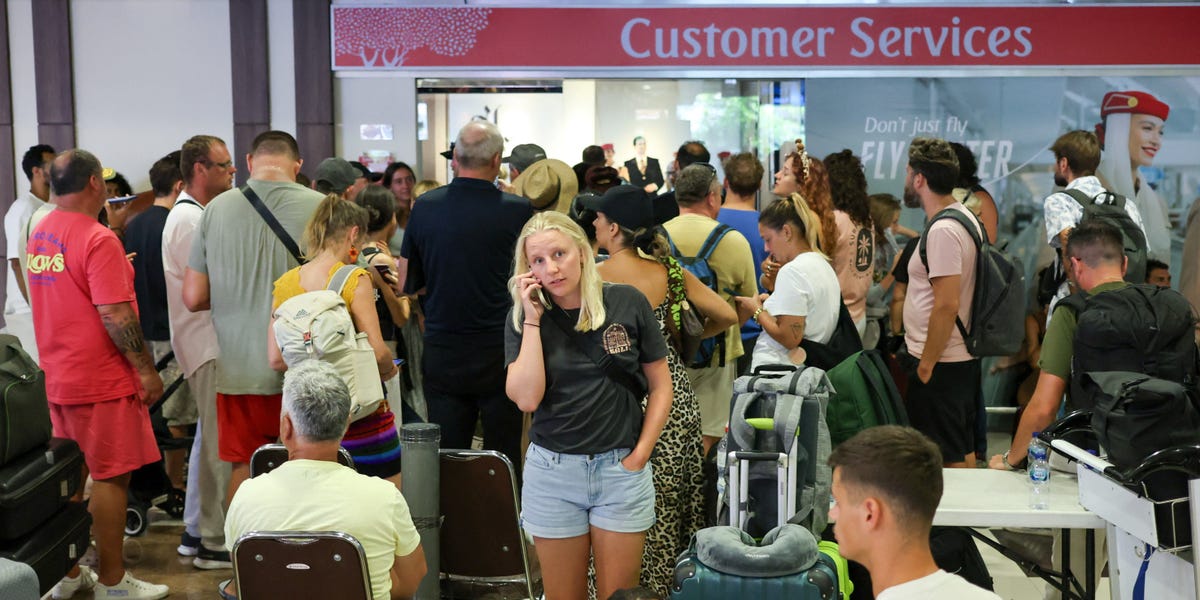
The article discusses the significant disruption caused by strikes in Iran, leading to closed airspace and mass flight cancellations. This has resulted in airport departure boards turning red, particularly affecting major hubs such as Dubai International Airport, which is the world’s busiest airport for international travelers. The situation has left travelers in a state of uncertainty, with all flights in and out of Dubai International Airport currently suspended until further notice. The article highlights the impact on global travel, emphasizing the interconnectedness of airports in the Middle East and the broader implications for the travel industry.
Key Points:
- Strikes in Iran have led to closed airspace and mass flight cancellations.
- Dubai International Airport, the world’s busiest airport for international travelers, has its flights suspended.
- The disruption affects major hubs in the Middle East, including Dubai, Doha, and Abu Dhabi.
- The situation has left travelers in limbo, with no clear timeline for when flights will resume.
Actionable Takeaways:
-
Monitor Travel Alerts and Updates: Given the ongoing disruptions, travelers should regularly check official travel alerts and updates from airlines and airport authorities. This proactive approach can help in planning alternative routes or modes of transportation, minimizing travel disruptions.
-
Enhance Communication with Travel Agencies and Airlines: Travel agencies and airlines should improve communication channels to keep passengers informed about flight status changes. Real-time updates through apps, emails, and social media can help manage traveler expectations and reduce anxiety during uncertain times.
-
Invest in Flexible Travel Packages: Travel companies can offer flexible booking options that allow passengers to change or cancel flights without hefty penalties. This flexibility can be a significant selling point, especially in volatile travel conditions, and can help retain customer loyalty.
Contextual Understanding:
The article reflects the current state of the travel industry, where geopolitical events can have a profound impact on global travel operations. The strikes in Iran have highlighted the vulnerability of major travel hubs in the Middle East, underscoring the need for robust contingency plans. The interconnected nature of airports in this region means that disruptions in one hub can have ripple effects across the entire travel network. From a forward-looking perspective, this incident emphasizes the importance of technological advancements in travel tech, such as real-time tracking systems and AI-driven predictive analytics, which can help airlines and airports manage such disruptions more effectively. Additionally, the article aligns with current trends in the travel industry, such as the increasing demand for flexible travel options and the growing emphasis on customer communication and transparency.
Handling Different Article Types:
The article is a news brief, providing factual information about recent events in the travel industry. The summary, key points, and actionable takeaways are structured to convey the essential information clearly and concisely, suitable for a professional audience. The context provided integrates recent developments in travel disruptions and their broader implications, aligning with the latest travel trends and insights from industry thought leaders.
Read the Complete Article.



