












Comprehensive Summarization:
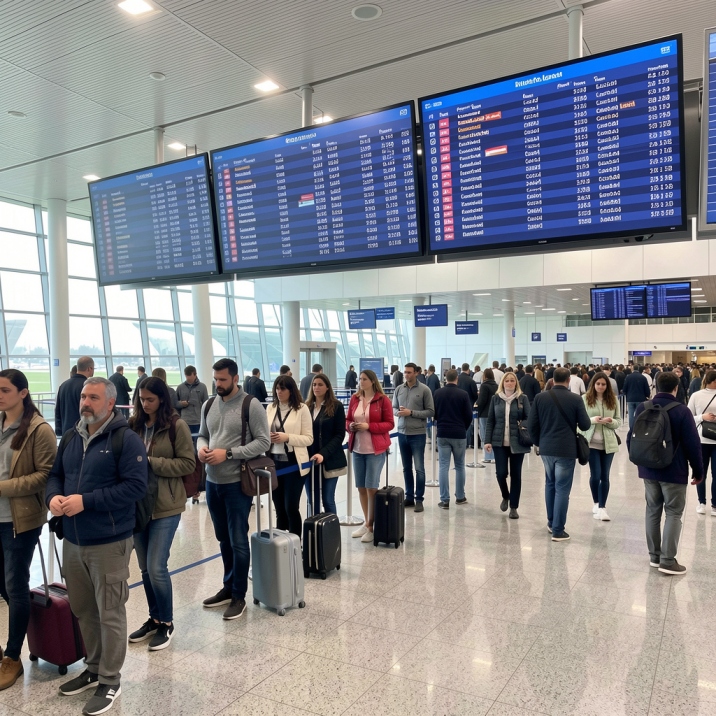
Kuwait International Airport experienced significant travel disruptions on March 7, 2026, due to 56 flight cancellations involving multiple airlines, including Qatar Airways, Egypt Air, Saudia, and IndiGo. The disruptions were reported amid heightened regional conflict, leading to zero delays and hundreds of travelers stranded at the airport. The article highlights the impact of such disruptions on the travel industry, emphasizing the need for robust contingency plans and effective communication strategies to mitigate passenger inconvenience.
Key Points:
- Flight Cancellations: 56 flights were canceled at Kuwait International Airport on March 7, 2026, affecting numerous airlines.
- Regional Conflict Impact: The disruptions were attributed to heightened regional conflict, affecting both regional and international carriers.
- Travel Disruptions: The cancellations led to significant travel disruptions, with zero delays reported, but hundreds of passengers stranded at the airport.
- Industry Relevance: The incident underscores the vulnerability of the travel industry to geopolitical tensions and the importance of contingency planning.
Actionable Takeaways:
-
Enhanced Communication Protocols: Airlines should implement enhanced communication protocols to promptly inform passengers of cancellations and provide alternative travel options. This can help minimize passenger inconvenience and maintain trust.
-
Flexible Ticket Policies: Travelers should be encouraged to opt for flexible ticket policies that allow for easy rescheduling or refunds in the event of flight disruptions. This can reduce the financial impact on passengers and improve their overall travel experience.
-
Investment in Technology: The travel industry should invest in advanced technology solutions for real-time flight tracking and passenger notification systems. Such innovations can enhance operational efficiency and improve passenger experience during disruptions.
Contextual Insights:
The disruptions at Kuwait International Airport highlight the vulnerability of the travel industry to external factors such as regional conflicts. This incident underscores the importance of robust contingency planning and effective communication strategies in the travel sector. As geopolitical tensions continue to influence global travel, industry stakeholders must prioritize flexibility and adaptability to mitigate the impact of such disruptions. Furthermore, the integration of advanced technology solutions can enhance operational resilience and improve passenger experience during unforeseen events. The article aligns with current industry trends emphasizing the need for innovation and adaptability in travel management, particularly in the face of geopolitical uncertainties.
Read the Complete Article.



