












Comprehensive Summarization:
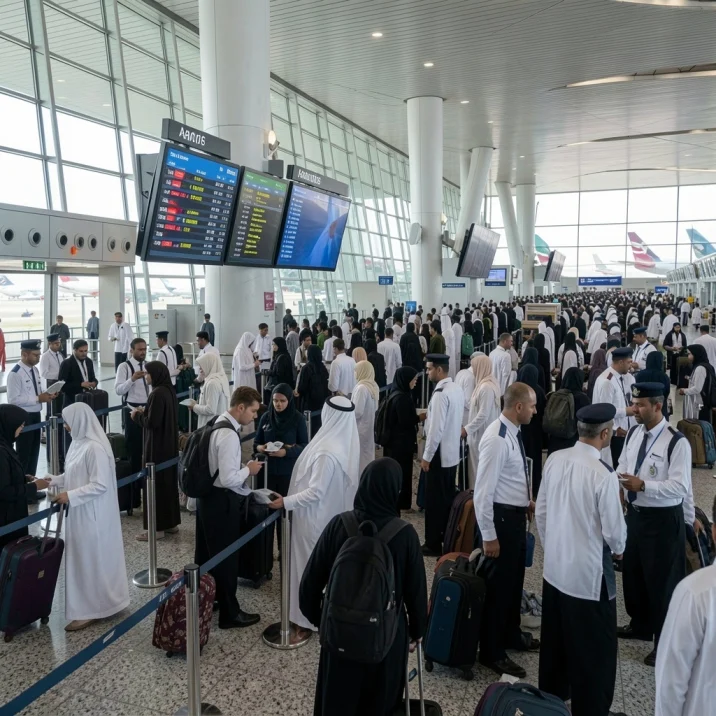
The article reports on ongoing travel disruptions in Doha, Qatar, caused by a significant number of flight cancellations and delays. As of the latest updates, 287 flights have been canceled and 15 delayed, affecting major carriers such as Qatar Airways, Gulf Air, IndiGo, and Malaysia Airlines. The disruptions have caused considerable inconvenience for passengers at Hamad International Airport, highlighting persistent travel crises in the region. The article underscores the challenges faced by airlines and passengers amidst these operational issues, providing a snapshot of the current state of travel in Qatar.
Key Points:
- Flight Disruptions: 287 flight cancellations and 15 delays have occurred at Hamad International Airport in Doha, Qatar, impacting major airlines including Qatar Airways and Gulf Air.
- Major Carriers Affected: The disruptions are primarily affecting Qatar Airways, Gulf Air, IndiGo, and Malaysia Airlines, among others.
- Impact on Passengers: The flight cancellations and delays have caused significant disruptions for passengers, leading to travel inconveniences and potential financial losses.
- Ongoing Crisis: The article emphasizes the persistence of travel crises in Qatar, indicating that such operational issues are a recurring challenge for the region’s aviation sector.
Actionable Takeaways:
-
Enhanced Operational Resilience: Airlines should invest in advanced operational resilience strategies, including real-time flight tracking and predictive maintenance, to minimize disruptions. This is crucial given the recurring nature of flight cancellations and delays, which can severely impact airline reputation and passenger satisfaction.
-
Improved Passenger Communication: Airlines must enhance their communication strategies to keep passengers informed about flight status changes promptly. Effective communication can mitigate passenger frustration and improve overall travel experience, which is vital in maintaining customer loyalty during crises.
-
Collaborative Problem-Solving: The travel industry should foster collaboration among airlines, airports, and regulatory bodies to develop standardized protocols for handling large-scale disruptions. Such collaboration can lead to quicker resolution times and better management of future crises, ensuring smoother operations for all stakeholders.
Contextual Insights:
The article reflects the ongoing challenges faced by the travel industry in Qatar, particularly in managing flight disruptions at a major hub like Hamad International Airport. The persistent nature of these issues highlights the need for continuous improvement in airline operations and passenger management strategies. In the context of current travel trends, the emphasis on operational resilience and effective communication aligns with broader industry shifts towards digital transformation and customer-centric services. Thought leaders suggest that embracing technology and fostering industry-wide collaboration will be key to overcoming such challenges and enhancing the overall travel experience. These insights underscore the importance of proactive measures in maintaining operational stability and ensuring passenger satisfaction in the face of recurring disruptions.
Read the Complete Article.



