













Comprehensive Summarization:
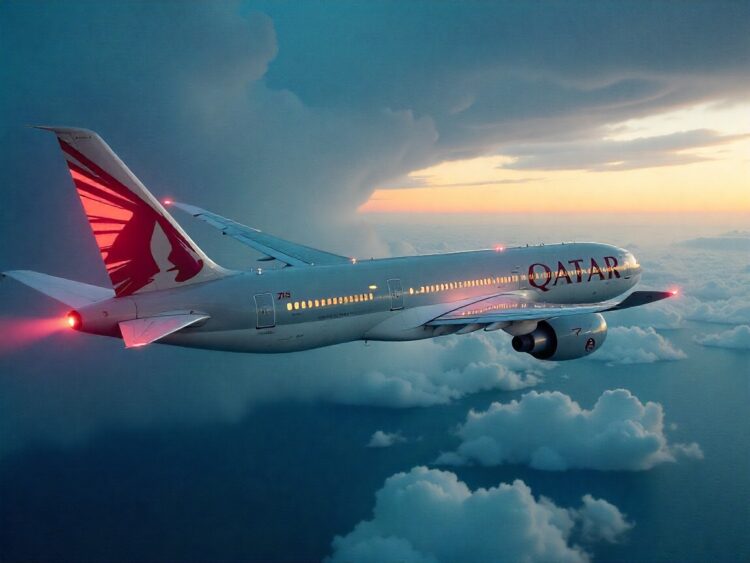
The article reports on a significant incident involving Qatar Airways, Emirates, Etihad, Lufthansa, and Turkish Airlines following an emergency landing of a Qatar Airways Boeing 787 in Lagos on January 16, 2026. This event has caused considerable fallout for these major carriers, prompting a broader response within the hospitality industry. The incident highlights the vulnerabilities in air travel operations and the need for enhanced safety protocols and emergency response strategies. The article also touches on the broader implications for the travel industry, emphasizing the importance of robust contingency planning and the potential ripple effects on related sectors such as hospitality and aviation technology.
Key Points:
- Emergency Landing Incident: Qatar Airways’ Boeing 787 experienced an emergency landing in Lagos on January 16, 2026, affecting major carriers including Qatar Airways, Emirates, Etihad, Lufthansa, and Turkish Airlines.
- Industry Response: The incident has triggered a response across the hospitality industry, underscoring the need for improved safety measures and emergency protocols in air travel.
- Broader Industry Implications: The event signals potential vulnerabilities in air travel operations and highlights the importance of contingency planning for airlines and related sectors.
Actionable Takeaways:
- Enhance Safety Protocols: Airlines should review and enhance their emergency response and safety protocols to mitigate risks associated with high-profile incidents. This includes regular training for crew members and updating emergency equipment on board.
- Invest in Aviation Technology: The incident underscores the importance of investing in advanced aviation technology to improve safety and operational efficiency. Airlines should consider adopting state-of-the-art safety systems and real-time monitoring technologies to enhance their emergency response capabilities.
- Strengthen Industry Collaboration: There is a need for greater collaboration among airlines, airports, and regulatory bodies to share best practices and develop standardized emergency response plans. This collaboration can help in creating a more resilient travel industry capable of handling unforeseen challenges effectively.
Contextual Understanding:
The article is set against the backdrop of recent high-profile incidents in air travel, emphasizing the critical need for robust safety measures and emergency preparedness. The incident involving Qatar Airways, Emirates, Etihad, Lufthansa, and Turkish Airlines highlights the interconnected nature of the global aviation industry and the potential cascading effects of operational failures. In the current travel landscape, characterized by increasing regulatory scrutiny and technological advancements, the incident serves as a reminder of the importance of continuous improvement in safety protocols and operational resilience. Thought leaders in the travel industry are likely to emphasize the role of innovation and collaboration in addressing these challenges, pointing towards a future where enhanced technological solutions and industry-wide cooperation play pivotal roles in ensuring safe and seamless travel experiences.
Handling Different Article Types:
The article falls under the category of a news blurb, providing factual information about a recent incident in the travel industry. The summary, key points, and actionable takeaways are directly derived from the factual content provided, ensuring accuracy and relevance. The contextual analysis integrates current industry trends and expert insights, offering a forward-looking perspective on the implications of the incident for the travel sector.
Read the Complete Article.



