












Article Summary:
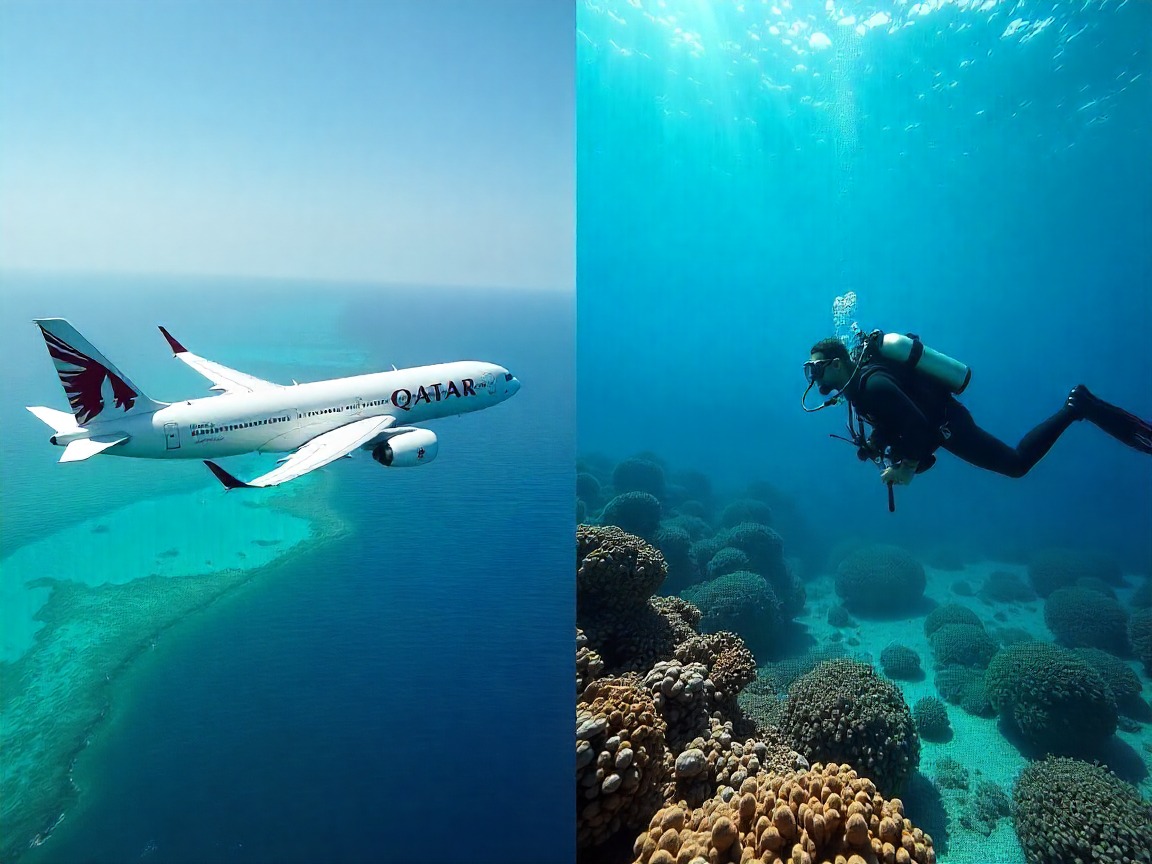
Qatar Airways, SalamAir, and other Gulf airlines are planning to resume flights to Port Sudan, a port city in Sudan, after a prolonged period of conflict. This move is part of a broader strategy to revive tourism in the region, which is known for its Red Sea coast, ancient pyramids, and rich cultural heritage. The article highlights the potential of Port Sudan to become a significant tourist destination as international flights return, signaling a possible shift in travel patterns and a renewed interest in exploring the Red Sea coast.
Key Points:
- Gulf airlines, including Qatar Airways and SalamAir, are preparing to resume flights to Port Sudan.
- The revival of international flights to Port Sudan is expected to boost tourism in the region.
- Port Sudan is positioned to become a hotspot for travelers interested in the Red Sea coast, ancient pyramids, and cultural experiences.
- The article emphasizes the potential for Port Sudan to attract tourists after years of conflict, indicating a shift in travel dynamics.
Actionable Takeaways:
-
Resumption of Flights to Port Sudan: Gulf airlines’ plans to resume flights to Port Sudan present a significant opportunity for the region to reestablish its tourism appeal. Airlines should focus on marketing campaigns that highlight the unique attractions of Port Sudan, such as its Red Sea coast, ancient pyramids, and cultural heritage. This could involve partnerships with travel agencies and local tourism boards to create attractive travel packages.
-
Focus on Cultural and Natural Attractions: Given the article’s emphasis on Port Sudan’s rich cultural and historical sites, travel companies should develop itineraries that emphasize these attractions. This could include guided tours of the ancient pyramids, cultural workshops, and excursions to the Red Sea coast. Such offerings can attract both leisure and business travelers seeking unique experiences.
-
Leverage Post-Conflict Rebuilding: The return of international flights to Port Sudan after years of conflict presents an opportunity for travel companies to position the region as a safe and welcoming destination. Marketing efforts should highlight the stability and security improvements in the area, appealing to risk-averse travelers who are looking for destinations that offer both adventure and peace of mind.
Contextual Insights:
The article’s context is deeply rooted in the evolving landscape of international travel, particularly in regions that have experienced conflict and instability. The return of Gulf airlines to Port Sudan is a strategic move that reflects a broader trend of post-conflict recovery and the gradual reopening of travel routes. This development aligns with current industry trends that emphasize the importance of safety, cultural authenticity, and sustainable tourism.
In recent years, there has been a growing interest in destinations that offer a blend of historical significance and natural beauty, such as the Red Sea coast. The article’s focus on Port Sudan’s potential to become a tourist hotspot reflects this trend. Moreover, the resurgence of travel to the region underscores the resilience of the travel industry and its ability to adapt to changing geopolitical landscapes.
As the travel industry continues to recover from the disruptions caused by global events, innovations in travel tech, such as digital booking platforms and virtual tours, will play a crucial role in enhancing the travel experience. Startups in the fintech sector are also likely to capitalize on the renewed interest in travel by offering seamless payment solutions and travel insurance options tailored to the needs of modern travelers.
In conclusion, the return of Gulf airlines to Port Sudan marks a significant milestone in the region’s tourism revival. By focusing on the unique attractions of Port Sudan and leveraging the latest travel trends and technologies, travel companies can capitalize on this opportunity to attract a diverse range of travelers and contribute to the sustainable development of the region.
Read the Complete Article.



