












Comprehensive Summarization:
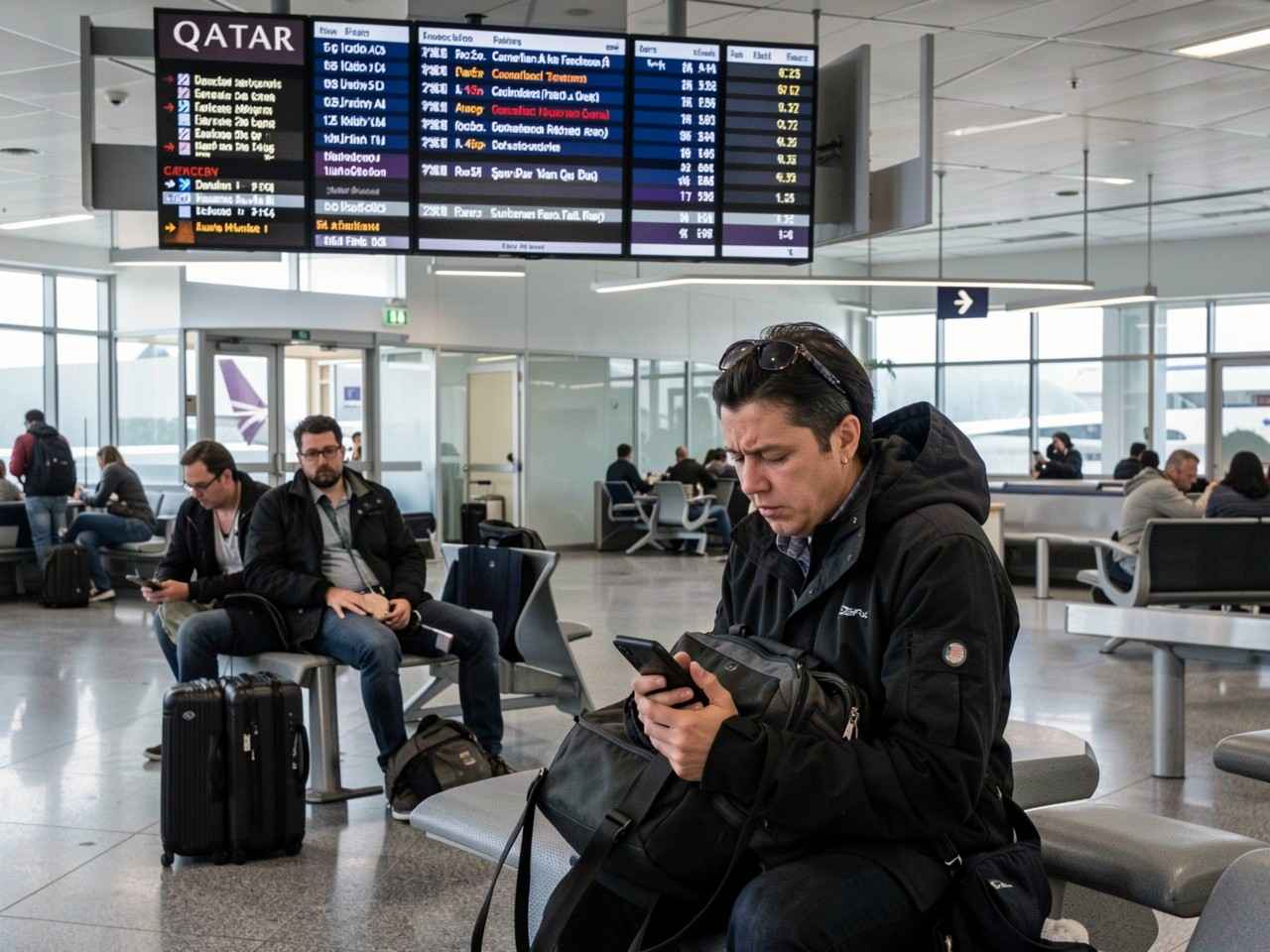
Qatar Airways has suspended its flights at San Francisco International Airport (SFO) due to escalating turmoil in the Middle East, following the closure of Qatari airspace and attacks on its primary hub, Hamad International Airport in Doha. This unexpected disruption has significant implications for travelers and the global aviation industry, highlighting the vulnerability of international travel to geopolitical events and the interconnectedness of global air travel networks.
Key Points:
- Qatar Airways has suspended flights at SFO due to Middle East tensions.
- The suspension is a direct result of the closure of Qatari airspace and attacks on Hamad International Airport in Doha.
- This disruption underscores the vulnerability of international travel to geopolitical events.
- The incident highlights the interconnectedness of global air travel networks.
Actionable Takeaways:
-
Risk Management in Travel Planning: Travelers should consider alternative routes or airports for flights originating from or destined to regions experiencing geopolitical unrest. This proactive measure can mitigate travel disruptions and ensure smoother journeys.
-
Enhanced Monitoring of Global Events: Airlines and travel agencies should invest in real-time monitoring of global events and geopolitical developments. This will enable them to quickly adapt travel itineraries and inform passengers of potential disruptions, enhancing customer trust and satisfaction.
-
Strengthening Partnerships with Global Airports: Airlines should strengthen partnerships with airports to ensure robust contingency plans in place for disruptions. This includes sharing real-time data on airspace closures and airport security incidents, facilitating quicker decision-making and minimizing travel impacts.
Contextual Insights:
The suspension of Qatar Airways flights at SFO is a stark reminder of the interconnected nature of the global aviation industry and its susceptibility to geopolitical events. Recent trends indicate an increased focus on risk management and contingency planning within the travel sector, driven by the growing awareness of potential disruptions caused by international conflicts. This incident also underscores the importance of technological advancements in travel tech, such as real-time flight tracking and automated alerts, which can help mitigate the impact of such disruptions. As the industry continues to evolve, thought leaders emphasize the need for innovation in travel solutions, including fintech innovations that streamline travel payments and insurance, further enhancing the resilience of the travel ecosystem against unforeseen challenges.
Read the Complete Article.



