












Comprehensive Summarization:
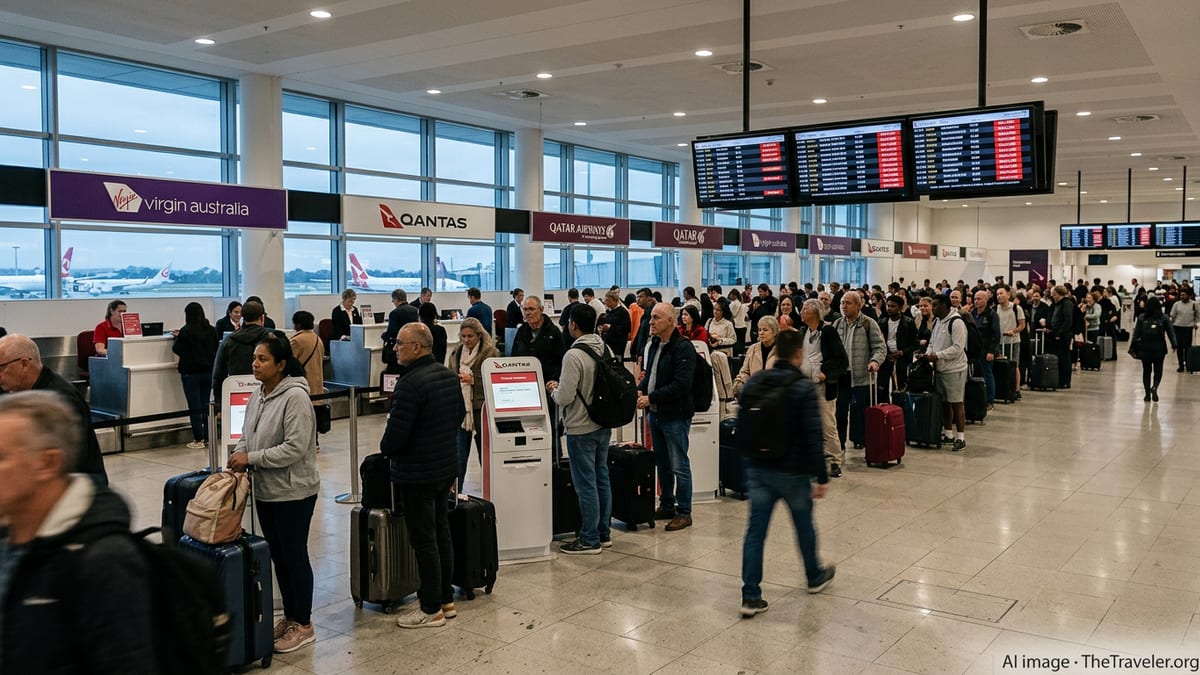
Qatar Airways is significantly reducing passenger services between Australia and Doha due to the ongoing Middle East conflict, which has led to a high number of cancellations, complex rerouting, and increased uncertainty for travelers with long-haul itineraries to Europe, Africa, and the Middle East. This development highlights the vulnerability of air travel routes in regions affected by geopolitical tensions and underscores the challenges faced by airlines in maintaining stable operations amidst such crises.
Key Points:
- Qatar Airways is cutting back on flights between Australia and Doha.
- The Middle East conflict is causing significant disruptions in Qatari airspace.
- Travelers with long-haul itineraries to Europe, Africa, and the Middle East are facing increased uncertainty.
- The situation illustrates the impact of geopolitical tensions on international air travel routes.
Actionable Takeaways:
-
Route Flexibility and Risk Management: Airlines operating in regions with geopolitical tensions should develop flexible routing strategies and risk management protocols to mitigate the impact of conflicts on their operations. This includes maintaining open communication with passengers about potential changes and offering alternative travel options when necessary.
-
Enhanced Travel Advisory Systems: Travel agencies and airlines should invest in advanced travel advisory systems that provide real-time updates on route disruptions due to geopolitical events. This can help travelers make informed decisions and reduce uncertainty associated with long-haul itineraries.
-
Collaboration with Regional Partners: Airlines should collaborate with regional partners and governments to monitor and respond to geopolitical developments. This collaboration can facilitate quicker decision-making and more effective rerouting during crises, minimizing disruptions for passengers.
Contextual Insights:
The reduction in Qatar Airways’ services between Australia and Doha is a direct consequence of the ongoing Middle East conflict, which has led to heightened security concerns and airspace restrictions. This situation is emblematic of the broader challenges faced by the aviation industry in maintaining operational stability in regions affected by geopolitical instability. The article also reflects the growing importance of technological solutions in managing travel disruptions, such as real-time flight tracking and dynamic routing systems. As the travel industry continues to evolve, the integration of advanced technologies and strategic partnerships will be crucial in navigating the complexities posed by geopolitical tensions. This trend highlights the need for continuous innovation in travel tech to ensure resilience and adaptability in the face of unforeseen challenges.
Read the Complete Article.



