












Comprehensive Summarization:
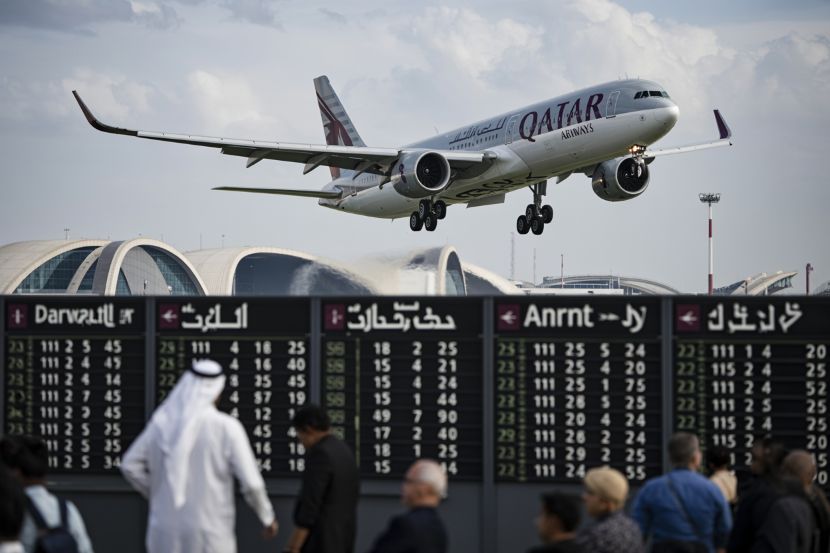
The article reports that Qatar Airways has resumed limited flights to the United Kingdom, Germany, France, and Italy amidst ongoing Middle East tensions and airspace closures. This move comes as airlines across the region adjust their operations in response to geopolitical developments. The article provides a snapshot of the evolving travel landscape in 2026, highlighting how airlines are navigating challenges posed by regional instability to re-establish connectivity in key international markets.
Key Points:
- Qatar Airways has resumed limited flights to the UK, Germany, France, and Italy due to the ongoing Middle East tensions and airspace closures.
- The resumption of these routes is a strategic response to the evolving travel demands and market conditions in the wake of geopolitical instability.
- The article underscores the broader context of airlines adjusting their operations in response to regional tensions, reflecting a dynamic and adaptive approach within the travel industry.
Actionable Takeaways:
-
Strategic Resumption of Flights: Qatar Airways’ decision to resume limited flights to key European destinations signals a strategic pivot by airlines to capitalize on the reopening of international travel markets. This move is likely to benefit both the airline and travelers seeking to reconnect with Europe, particularly in light of the easing of travel restrictions and the recovery of global tourism.
-
Adaptation to Geopolitical Challenges: The article highlights the travel industry’s ability to adapt to geopolitical challenges by adjusting flight operations. This adaptability is crucial for airlines aiming to maintain connectivity and meet the evolving needs of travelers amidst regional instability. For stakeholders in the travel sector, this underscores the importance of flexible operational strategies in navigating unpredictable global events.
Contextual Insights:
The resumption of Qatar Airways’ flights to the UK, Germany, France, and Italy amidst Middle East tensions reflects a broader trend within the travel industry: the need for airlines to be agile and responsive to geopolitical developments. As geopolitical tensions continue to shape global travel patterns, airlines are increasingly adopting flexible operational strategies to mitigate risks and capitalize on emerging opportunities. This context is particularly relevant for travel startups and fintech innovators, who can leverage these insights to develop solutions that enhance operational flexibility and support travelers in navigating uncertain travel environments. The article also points to the potential for increased collaboration between airlines and technology providers to offer seamless travel experiences, even in the face of geopolitical challenges.
Read the Complete Article.



