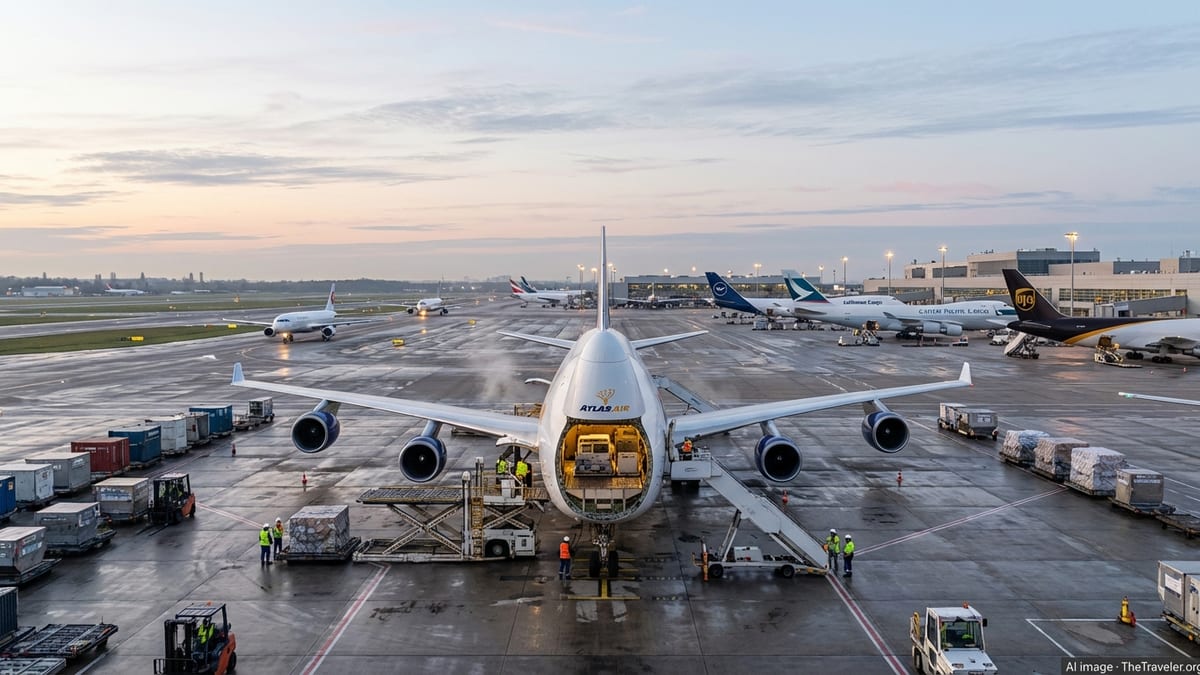
Qatar Airways Freighter boosts Helsinki air cargo hub
THE NEWS: Qatar Airways Cargo has launched a dedicated freighter service to Helsinki, boosting Finland's air cargo capacity and linking...
Read moreDetails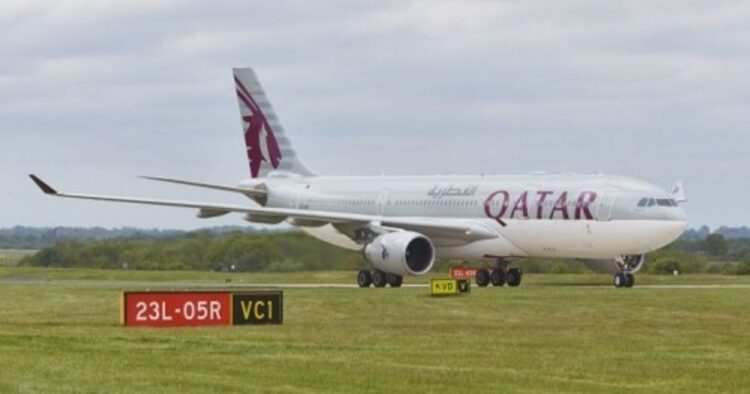
The airline has apologised to passengers for the inconvenience(Image: Manchester Evening News)
Comprehensive Summarization:
Qatar Airways has announced a limited number of flights scheduled to and from Doha Airport amidst ongoing air travel disruptions in the Middle East, primarily due to recent attacks from Iran following Israel and the US’s joint military action. The Gulf nation has been under attack, leading to the airline’s statement apologizing for the inconvenience caused to passengers. This situation reflects the broader challenges faced by the travel industry in regions experiencing geopolitical tensions.
Key Points:
Actionable Takeaways:
Flight Scheduling Adjustments: Airlines operating in regions with geopolitical tensions should closely monitor and adjust flight schedules to minimize passenger inconvenience. This proactive approach can help maintain customer trust and loyalty.
Communication Strategy: Airlines should promptly communicate any changes to passengers, as demonstrated by Qatar Airways’ apology. Effective communication can mitigate negative perceptions and enhance customer satisfaction during disruptions.
Focus on Safety and Compliance: Given the current geopolitical climate, airlines should prioritize safety protocols and ensure compliance with international travel regulations. This focus can enhance operational resilience and build confidence among travelers.
Contextual Insights:
The article underscores the ongoing challenges faced by the travel industry in regions affected by geopolitical tensions. The recent attacks on Qatar by Iran, following a joint military action by Israel and the US, have led to a limited number of flights, impacting both airlines and passengers. This situation highlights the vulnerability of the travel sector to external geopolitical factors and the importance of robust risk management strategies.
In the context of current industry trends, the article reflects the broader theme of travel disruptions due to geopolitical events. It emphasizes the need for airlines to adopt flexible scheduling and transparent communication strategies to navigate such challenges. Furthermore, the incident serves as a reminder of the critical role that safety and compliance play in maintaining operational integrity and customer trust.
Given the current state of the travel industry, characterized by increasing geopolitical uncertainties, the insights provided in the article are particularly relevant. They offer actionable guidance for airlines and other stakeholders in the travel sector to adapt to changing conditions and mitigate potential impacts on their operations.
Read the Complete Article.
THE NEWS: Qatar Airways Cargo has launched a dedicated freighter service to Helsinki, boosting Finland's air cargo capacity and linking...
Read moreDetails
Experience the magic of the Nile aboard Kenzy Dahabeya, a luxury boutique sailing cruise that offers an unforgettable journey between...
Read moreDetails