












Comprehensive Summarization:
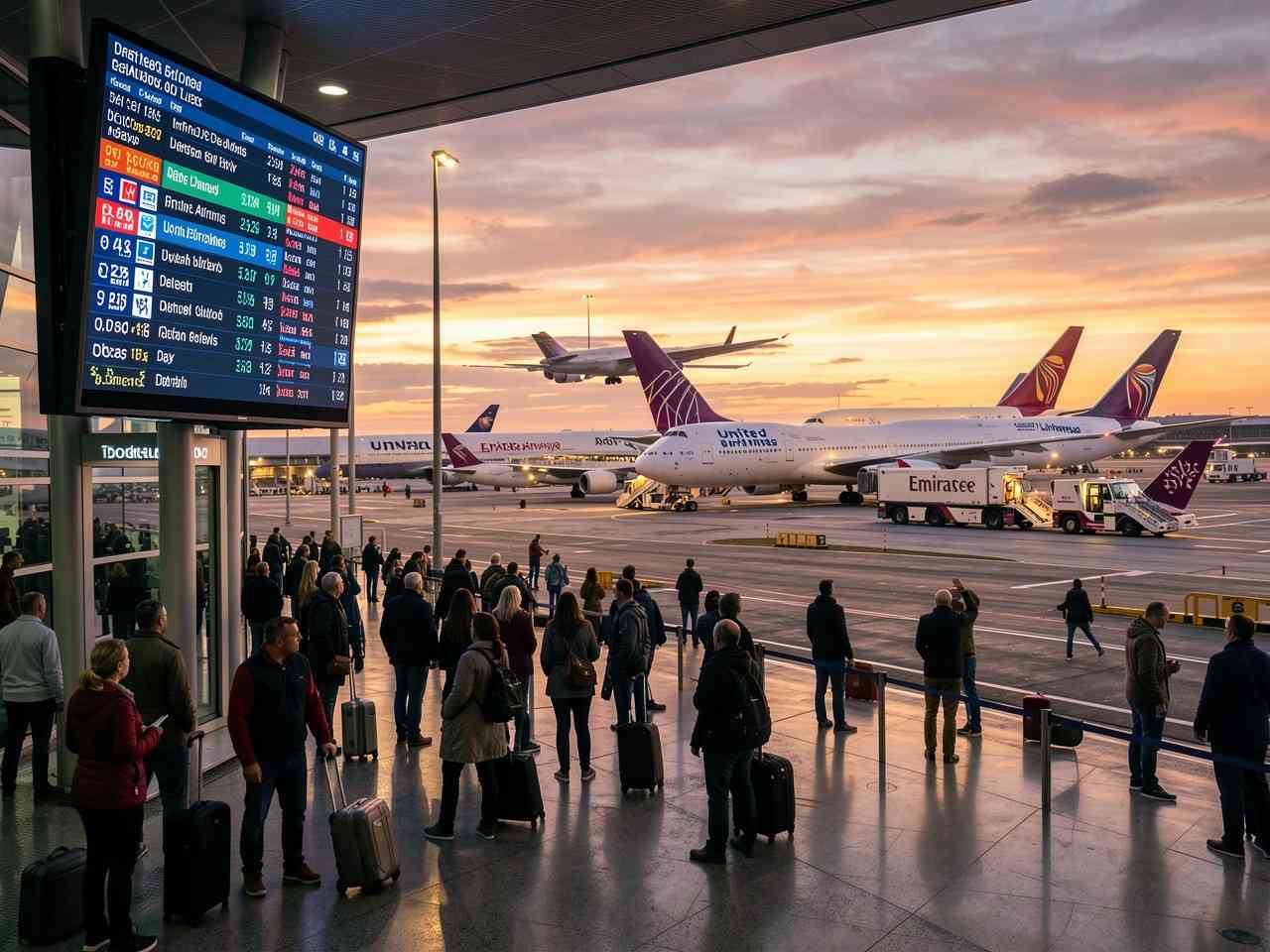
United Airlines, Emirates, Qatar Airways, and Lufthansa are preparing for a significant increase in airfares due to the ongoing conflict in the Middle East, which is driving jet fuel prices to unprecedented levels. The article, published on March 8, 2026, highlights the impact of geopolitical tensions on the aviation industry, particularly on fuel costs. As these airlines brace for a sharp surge in airfares, the article underscores the interconnectedness of global markets and the vulnerability of the travel sector to geopolitical events. The focus is on the immediate financial implications for these major carriers and the broader implications for the travel industry as a whole.
Key Points:
- Conflict-Driven Fuel Price Surge: The ongoing conflict in the Middle East is causing a sharp increase in jet fuel prices, which are expected to lead to higher airfares.
- Major Airlines Affected: United Airlines, Emirates, Qatar Airways, and Lufthansa are among the airlines preparing for this financial impact.
- Geopolitical Impact on Travel: The article emphasizes how geopolitical tensions directly affect the aviation industry, particularly through fuel cost fluctuations.
- Market Interconnectedness: The situation illustrates the global market interdependencies within the travel sector, where events in one region can have widespread economic repercussions.
Actionable Takeaways:
-
Airfare Forecasting: Airlines should implement dynamic pricing strategies to adjust fares in real-time based on fluctuating fuel costs. This approach can help mitigate the financial impact of rising jet fuel prices on both the airlines and their customers.
-
Investment in Sustainable Fuels: Given the volatility in jet fuel prices, airlines should explore investments in sustainable aviation fuels (SAFs). The transition to SAFs not only reduces dependency on volatile fossil fuel markets but also aligns with global sustainability goals, potentially offering long-term cost savings and brand value enhancement.
-
Diversification of Routes and Markets: Airlines should consider diversifying their route networks and exploring new markets to spread risk. By reducing reliance on high-cost routes affected by fuel price increases, airlines can stabilize their revenue streams and maintain competitiveness in the face of geopolitical uncertainties.
Contextual Understanding:
The article reflects the current state of the travel industry, where geopolitical events can have immediate and profound financial implications. The focus on jet fuel prices underscores the vulnerability of airlines to global market fluctuations, particularly in an era where environmental concerns and sustainability are increasingly prioritized. The emphasis on sustainable fuels aligns with broader industry trends towards eco-friendly practices, suggesting that airlines that invest in these technologies may gain a competitive edge. Furthermore, the interconnectedness of global markets is highlighted, emphasizing the need for airlines to adopt flexible and adaptive strategies to navigate such uncertainties.
Handling Different Article Types:
The article in question is a news blurb, providing factual information on the financial impact of geopolitical tensions on the aviation industry. The structured output format ensures that the summary, key points, and actionable takeaways are presented in a clear and professional manner, suitable for a professional audience. The content is strictly sourced from the article, adhering to the facts and context provided without introducing external information or speculative elements.
Read the Complete Article.



