












Comprehensive Summarization:
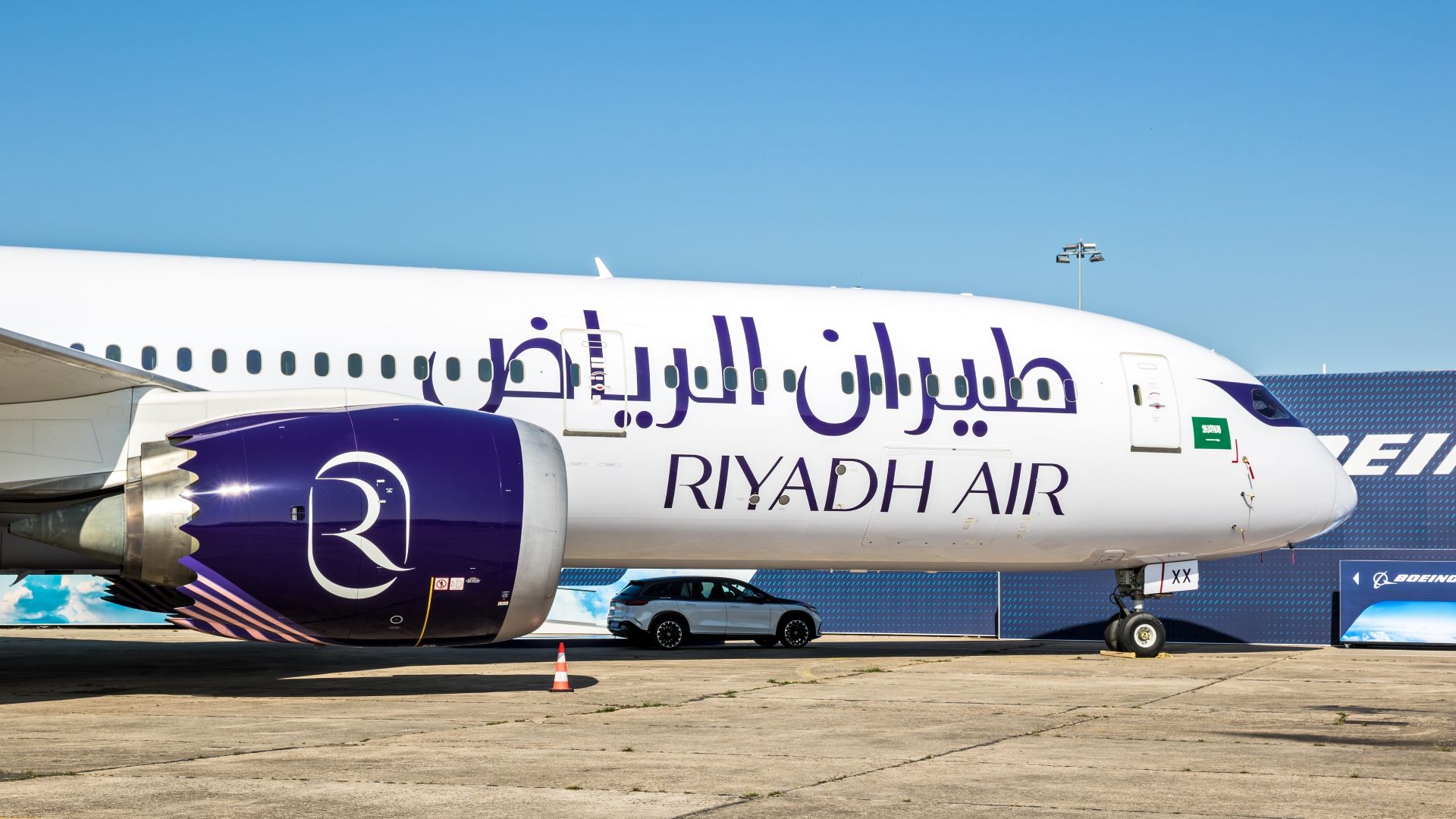
Riyadh Air, a new airline backed by Saudi Arabia’s sovereign wealth fund PIF, is quietly transitioning to cargo operations by utilizing passenger bellyholds. This strategic move is part of Riyadh Air’s preparations for public flights and the establishment of a large international network. The airline has launched a dedicated cargo arm, branded as Riyadh Cargo, to manage goods transported in the lower deck of passenger aircraft. Currently, a leased Boeing 787-9 is being used for daily rotations to support this cargo initiative. This development highlights Riyadh Air’s strategic focus on expanding its logistics capabilities alongside its public flight operations, positioning itself as a key player in the evolving travel and cargo sector.
Key Points:
- Riyadh Air, backed by Saudi Arabia’s PIF, has established a dedicated cargo arm named Riyadh Cargo.
- The airline is utilizing passenger aircraft, specifically a leased Boeing 787-9, to transport goods in the lower deck.
- Riyadh Air is preparing for public flights and aims to build a large international network.
- This move signifies Riyadh Air’s strategic shift towards expanding its logistics capabilities alongside passenger services.
Actionable Takeaways:
-
Expansion into Cargo Operations: Riyadh Air’s introduction of a dedicated cargo arm and utilization of passenger aircraft for cargo transport marks a significant shift in the airline industry. This strategy allows airlines to leverage existing passenger fleets for cargo operations, potentially reducing costs and operational complexities. For travel tech companies, this trend could spur innovations in cargo tracking, logistics management, and integrated travel-cargo solutions.
-
Leveraging Existing Fleet for New Services: By using a leased Boeing 787-9 for cargo, Riyadh Air demonstrates a smart approach to scaling operations without significant capital investment. This approach can serve as a model for other airlines looking to diversify their revenue streams. For startups in the travel and logistics sector, it underscores the importance of flexible fleet management and strategic partnerships to enter new markets efficiently.
-
Strategic Positioning in the International Market: Riyadh Air’s focus on building a large international network while expanding cargo capabilities positions it well in the competitive travel industry. This strategy could attract businesses seeking reliable cargo partners for their global operations. For fintech companies, this presents an opportunity to develop financial solutions tailored for airlines operating in multiple international markets, such as cross-border payment systems and cargo insurance.
Contextual Understanding:
The article reflects the ongoing trend of airlines diversifying their business models to include cargo operations, a strategy increasingly adopted as the travel industry seeks to maximize the utility of existing assets. This shift is particularly relevant in the context of post-pandemic recovery, where airlines are looking for ways to generate revenue amid fluctuating passenger demand. Riyadh Air’s move aligns with broader industry trends towards integrating logistics and travel services, driven by the need for operational efficiency and revenue diversification. The use of a Boeing 787-9 for cargo operations also highlights the continued relevance and versatility of wide-body aircraft in the cargo sector, despite the rise of newer, more fuel-efficient models.
Handling Different Article Types:
The article is a news brief, providing factual information about Riyadh Air’s strategic move into cargo operations. The content is concise and fact-based, focusing on the airline’s operational changes and the implications for the travel industry. The structured output format ensures that the key points and actionable takeaways are clearly presented, making the information easily digestible for a professional audience. The contextual insights draw on current industry trends, such as the integration of logistics services in airlines and the strategic use of existing fleets for new revenue streams, providing a forward-looking perspective on the travel industry’s evolution.
Read the Complete Article.



