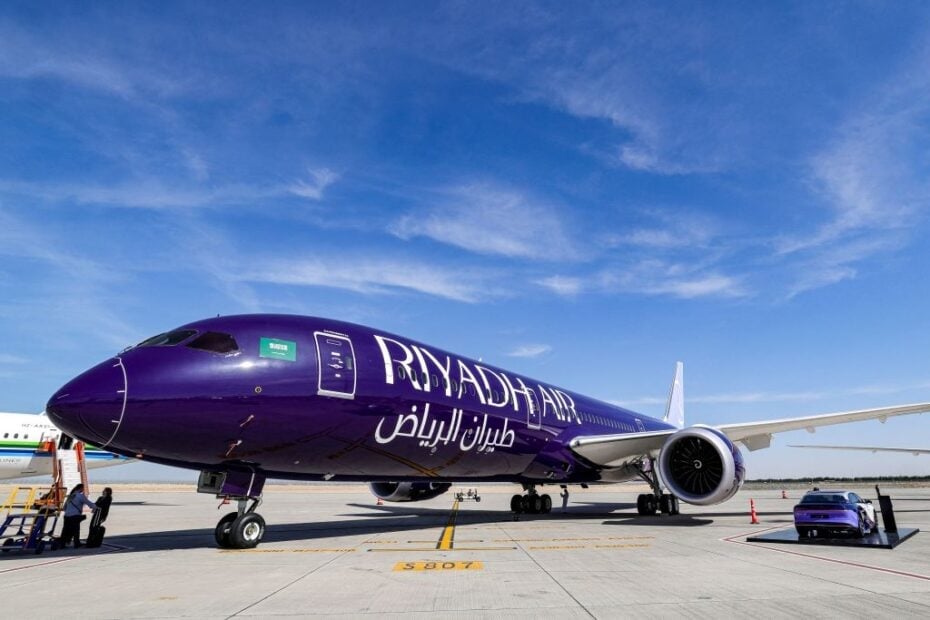























Travel Capitalist Ventures Expands Check Size to $10 Million to Deepen Emerging Market Conviction
Boutique Travel VC raises investment cap from $1.5M to $10M to lead rounds and support portfolio companies through growth Travel...
Read moreDetails

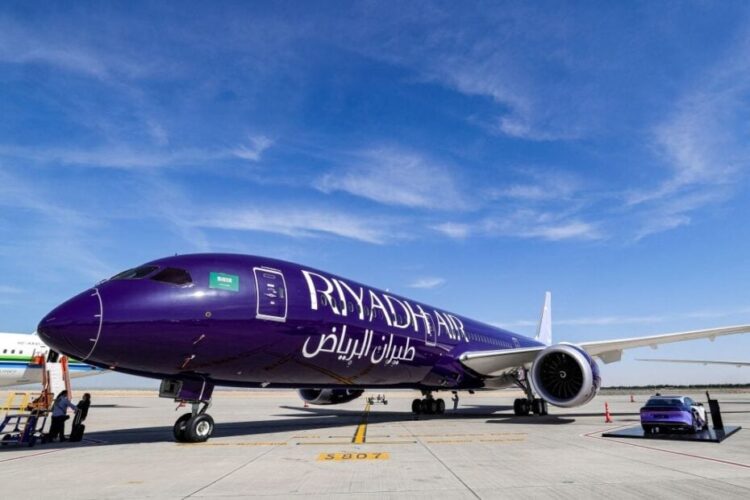
Riyadh Air introduces cargo unit to boost freight operations
Comprehensive Summarization:
Riyadh Air, the national carrier of Saudi Arabia, is set to launch its cargo business under the brand Riyadh Cargo. This move marks the airline’s entry into the global air freight market, leveraging its fleet of over 120 aircraft currently on order. The new unit will operate belly-hold cargo across its wide-body fleet, with operations anchored at Riyadh’s hub. The phased rollout is designed to establish a robust foundation for Riyadh Cargo’s services.
Key Points:
Actionable Takeaways:
Expansion of Air Freight Services: Riyadh Air’s entry into the air freight market through Riyadh Cargo presents opportunities for businesses requiring reliable and efficient cargo transportation. This move could enhance connectivity and logistics capabilities in the region, benefiting both exporters and importers.
Leveraging Fleet Capacity: With over 120 aircraft on order, Riyadh Air has significant capacity to support its cargo operations. This scale could lead to competitive pricing and improved service levels, making air freight a more attractive option for businesses seeking fast and reliable delivery solutions.
Strategic Hub Positioning: Operating from Riyadh’s hub provides a strategic advantage, offering proximity to key markets in the Middle East and beyond. This positioning can facilitate faster transit times and better connectivity, enhancing Riyadh Cargo’s competitiveness in the global air freight sector.
Contextual Insights:
The launch of Riyadh Cargo aligns with broader trends in the travel industry towards increased freight capacity and efficiency. As global trade continues to grow, airlines are expanding their cargo operations to meet rising demand. Riyadh Air’s strategic move into air freight reflects the industry’s response to the growing need for reliable and fast cargo services. Furthermore, the airline’s focus on a phased rollout indicates a calculated approach to market entry, allowing for gradual scaling and optimization of services. This strategy is particularly relevant in the current travel landscape, where operational efficiency and cost-effectiveness are paramount. Riyadh Cargo’s development also highlights the increasing importance of air freight in the global supply chain, a trend supported by thought leaders in logistics and travel technology who emphasize the need for robust and flexible freight solutions to support modern commerce.
Read the Complete Article.
Boutique Travel VC raises investment cap from $1.5M to $10M to lead rounds and support portfolio companies through growth Travel...
Read moreDetails




