






Comprehensive Summarization:
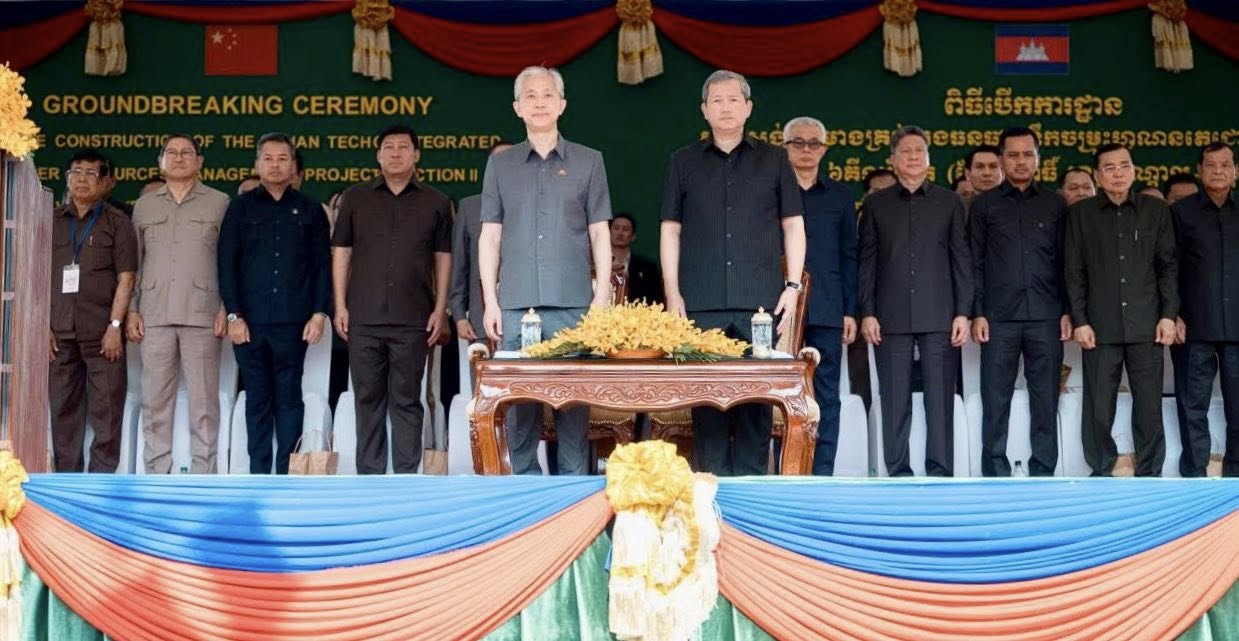
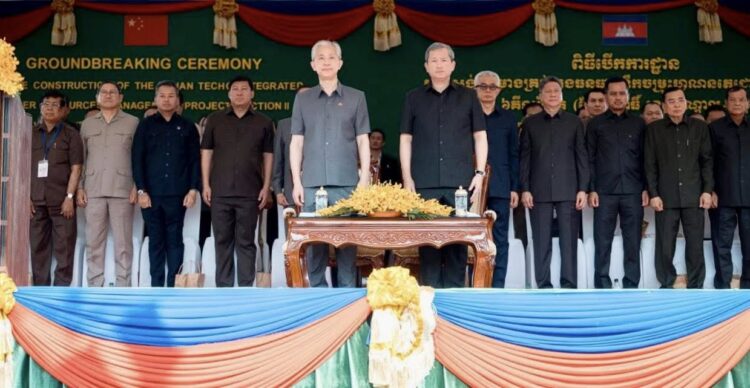
The article announces the inauguration of the Funan Techo Integrated Water Resource Management Project – Phase 2 in Cambodia, marking a significant step in the country’s transportation and maritime tourism development. The project aims to connect the river transportation system to the maritime route, facilitating travel from Phnom Penh to Kep Province via a 151.6-kilometer water passage. This initiative underscores Cambodia’s commitment to enhancing its transportation infrastructure and boosting its maritime tourism industry, which holds promising prospects for growth in the region.
Key Points:
- The inauguration of the Funan Techo Integrated Water Resource Management Project – Phase 2 in Cambodia signifies a major milestone in the country’s transportation and maritime tourism development.
- The project will link the river transportation system to the maritime route, enabling travel from Phnom Penh to Kep Province through a 151.6-kilometer water passage.
- Cambodia is positioned to benefit significantly from this project, with great prospects in its maritime tourism industry.
Actionable Takeaways:
- Investment in Maritime Infrastructure: The project highlights the importance of investing in integrated water resource management for enhancing transportation systems and boosting maritime tourism. For travel industry stakeholders, this underscores the potential for growth in maritime tourism and the need for strategic investments in related infrastructure.
- Leveraging Water Passages for Tourism: The creation of a 151.6-kilometer water passage between Phnom Penh and Kep Province presents a unique opportunity for travel companies to develop new tourism routes and experiences. This could lead to the emergence of new travel products and services, particularly in the maritime tourism sector, catering to both leisure and business travelers.
- Fostering Industry Collaboration: The project’s success will likely require collaboration between government bodies, private sector entities, and local communities. Travel industry professionals should consider engaging in partnerships and collaborations that align with sustainable tourism practices, ensuring the long-term viability and positive impact of such projects.
Contextual Insights:
The inauguration of the Funan Techo Integrated Water Resource Management Project – Phase 2 is a testament to Cambodia’s strategic focus on developing its transportation infrastructure and enhancing its maritime tourism sector. This development aligns with the broader trend of integrating waterways into tourism offerings, a strategy increasingly adopted by countries aiming to diversify their tourism offerings and capitalize on the growing interest in eco-friendly and unique travel experiences. As the travel industry continues to evolve, such projects serve as a blueprint for leveraging water-based transportation to stimulate economic growth and enhance tourism appeal. Furthermore, the emphasis on maritime tourism reflects a growing recognition of the sector’s potential to drive sustainable economic development, particularly in regions with extensive coastlines and navigable waterways. For the travel industry, this underscores the importance of staying abreast of technological advancements and innovative approaches in transportation and tourism, positioning companies to capitalize on emerging opportunities and meet the evolving expectations of modern travelers.
Read the Complete Article.






