











Sail Through Time: Discover the Timeless Wonders of Upper Egypt Aboard Kenzy Dahabeya
Experience the magic of the Nile aboard Kenzy Dahabeya, a luxury boutique sailing cruise that offers an unforgettable journey between...
Read moreDetails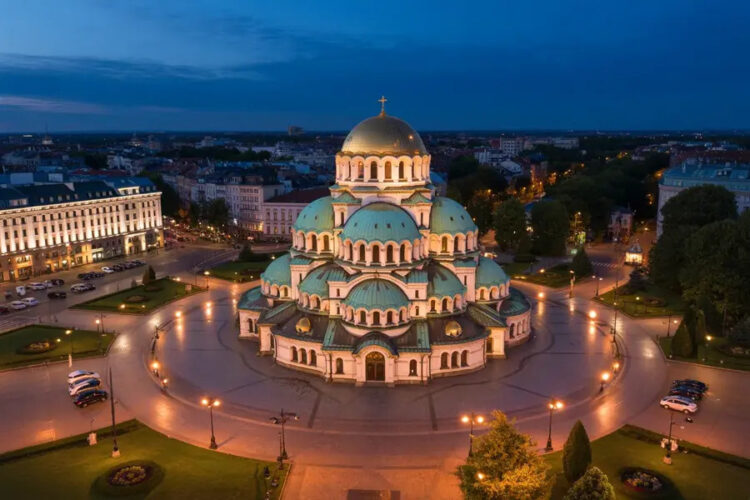
Poland Joins Forces with Romania, Turkey, Germany, Greece, Ukraine, Serbia, Italy, and More Countrie...
Comprehensive Summarization:
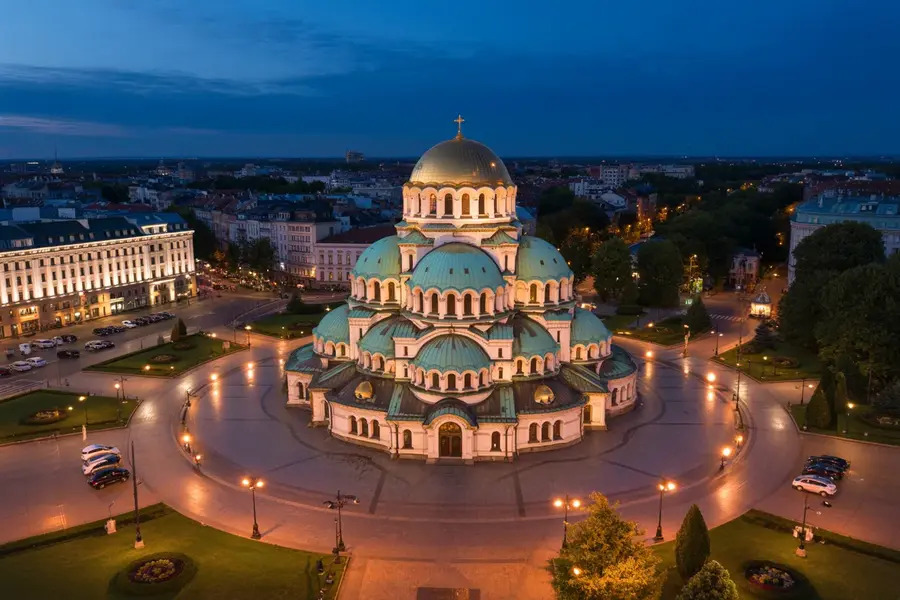
The article highlights a significant development in Bulgaria’s tourism industry, which has experienced a surge in popularity due to strategic partnerships with countries such as Poland, Romania, Turkey, Germany, Greece, Ukraine, Serbia, Italy, and others. These collaborations have played a crucial role in positioning Bulgaria as one of Europe’s most attractive destinations. The partnerships are driven by geographical proximity, cultural ties, and shared interests, contributing to the industry’s unprecedented growth. The article also touches on the broader context of recent events and market conditions that have influenced this tourism boom, providing a forward-looking perspective on the travel industry’s evolving landscape.
Key Points:
Actionable Takeaways:
Strategic Partnerships as a Growth Catalyst: Bulgaria’s tourism industry growth can be attributed to its strategic partnerships with countries like Poland, Romania, and others. This highlights the importance of forming alliances in the travel industry to expand market reach and enhance destination appeal. For travel companies and policymakers, forming similar strategic partnerships could be a key strategy to boost tourism and capitalize on regional strengths.
Leveraging Cultural and Geographical Ties: The success of Bulgaria’s tourism surge underscores the value of leveraging cultural and geographical ties in marketing strategies. Travel companies can enhance their offerings by emphasizing unique cultural experiences and geographical advantages, such as historical sites and natural beauty, to attract more visitors. This approach can be particularly effective in a competitive market where differentiation is key.
Contextual Insights:
The article reflects the current trend of regional collaboration in the travel industry, where countries are increasingly partnering to boost tourism. This trend is part of a broader shift towards collaborative marketing and infrastructure development, aimed at creating integrated travel experiences. For the travel industry, this context suggests a move towards more interconnected and holistic tourism strategies, where countries work together to offer comprehensive travel packages that leverage shared cultural and geographical assets. This approach not only enhances the appeal of destinations but also fosters economic growth through increased tourism revenue. Additionally, the article aligns with emerging travel trends that emphasize experiential travel and cultural immersion, indicating a shift towards more meaningful travel experiences that resonate with modern travelers.
Read the Complete Article.
Experience the magic of the Nile aboard Kenzy Dahabeya, a luxury boutique sailing cruise that offers an unforgettable journey between...
Read moreDetails



